There’s something deeply satisfying about taking beauty into your own hands—literally. In a world overflowing with synthetic formulas, artificial colors, and hard-to-pronounce ingredients, going back to your kitchen shelf for skincare feels not just empowering—it feels healing.
If your skin has been feeling dry, dull, rough, or tired, it’s time to give it some love and rejuvenation. Introducing the ultimate natural body scrub at home—a recipe that’s simple, cost-effective, and brimming with nourishment. The best part? You only need three pantry staples: sugar, coconut oil, and lemon.
Whether you’re tackling patchy elbows, bumpy upper arms, or simply craving that velvety post-shower glow, this DIY scrub is your go-to. It’s completely chemical-free, easy to whip up, and leaves your skin feeling radiant and soft.
What Is a Natural Body Scrub at Home—and Why You’ll Love It
A natural body scrub at home is more than just a skincare product—it’s a nurturing ritual born from the belief that your skin deserves the same love and care you give to your diet. Crafted using edible ingredients like sugar, oils, and citrus fruits, homemade scrubs exfoliate, hydrate, and refresh your skin without exposing it to microplastics, artificial preservatives, or harsh chemicals.
In today’s market, most scrubs are filled with parabens, sulfates, and synthetic fragrances. But with a homemade version, you control everything—the texture, the scent, the potency—making it a truly clean beauty experience.
Why Your Skin Craves a Scrub
Your skin naturally sheds dead cells every 28–30 days, but when these cells aren’t removed, they can lead to:
- Dull, flaky skin
- Clogged pores and body acne
- Uneven texture
- Poor product absorption
A natural body scrub at home helps you gently buff away this layer, revealing fresh, radiant skin underneath. Unlike commercial exfoliants that may contain microbeads or alcohol, this scrub nourishes while it exfoliates.
Skin Benefits at a Glance
Here’s why this scrub deserves a permanent place in your shower routine:
- Smooths and softens rough patches
- Promotes healthy cell turnover
- Fades tan, dark spots, and uneven tone
- Improves blood circulation
- Allows moisturizers to penetrate deeper
- Safe and customizable for all skin types
Want more seasonal rituals? Explore our Monsoon Skincare Routine to keep your skin happy during humid months.
Meet the Heroes: Sugar, Coconut Oil & Lemon
1. Sugar – Nature’s Gentle Exfoliator
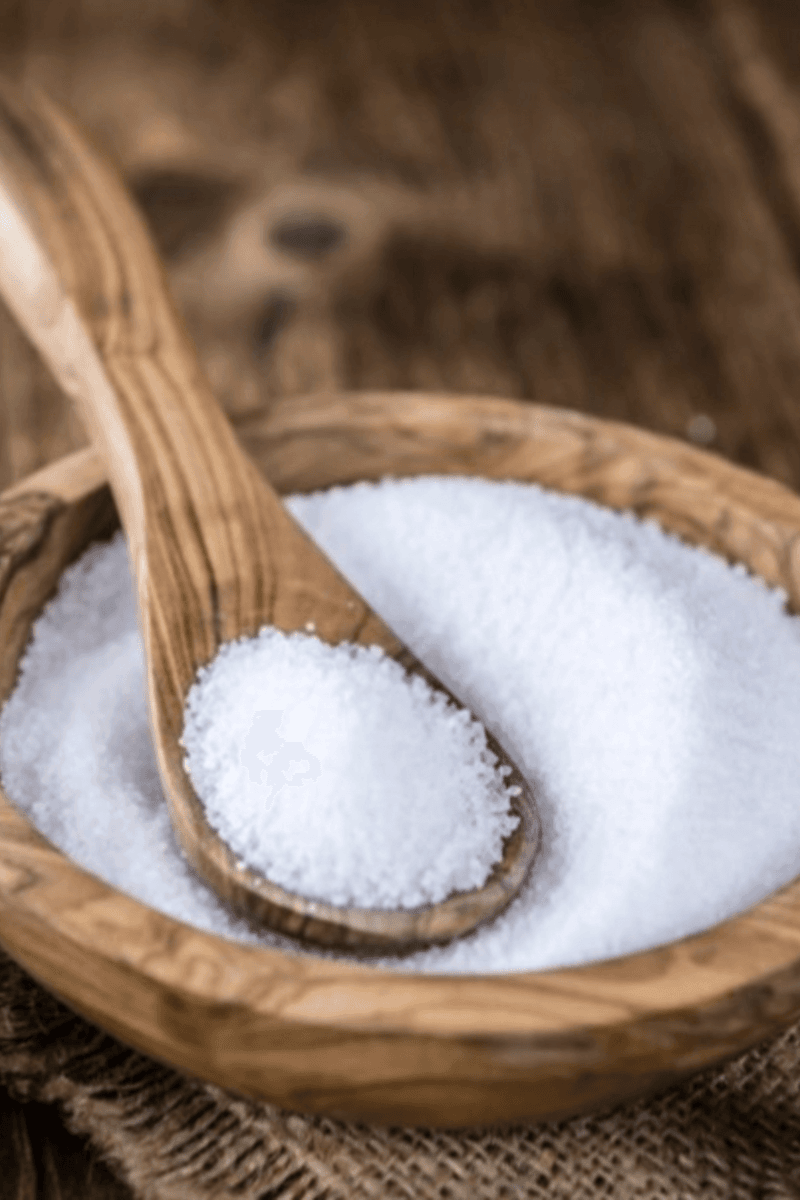
Sugar may seem like an indulgence, but when it comes to your skin, it’s a gentle giant. As the exfoliating base in your natural body scrub at home, sugar helps slough off dead skin cells that accumulate on the surface, leaving your skin smoother and more radiant.
What makes sugar special is its rounded granules, which are far less abrasive than synthetic exfoliants or crushed shells often used in commercial scrubs. It buffs the skin without causing microtears or inflammation—especially when massaged in soft, circular motions.
Even more exciting, sugar is naturally rich in glycolic acid, an alpha hydroxy acid (AHA) that’s known to:
- Encourage cell turnover
- Fade minor blemishes or dark spots
- Boost skin brightness
- Improve texture and tone
Types of Sugar You Can Use:
Each type of sugar adds its own texture and benefits to your natural body scrub at home:
- White Sugar: Finely milled, it’s perfect for delicate skin areas like inner arms and décolleté.
- Brown Sugar: Softer in texture and more hydrating thanks to molasses content—ideal for sensitive or dry skin types.
- Raw Sugar: With larger, coarser crystals, it’s best used on rough spots like knees, elbows, or feet that need extra exfoliation.
No matter which type you choose, sugar brings the kind of softening exfoliation your skin will adore.
2. Coconut Oil – The Ultimate Skin Softener
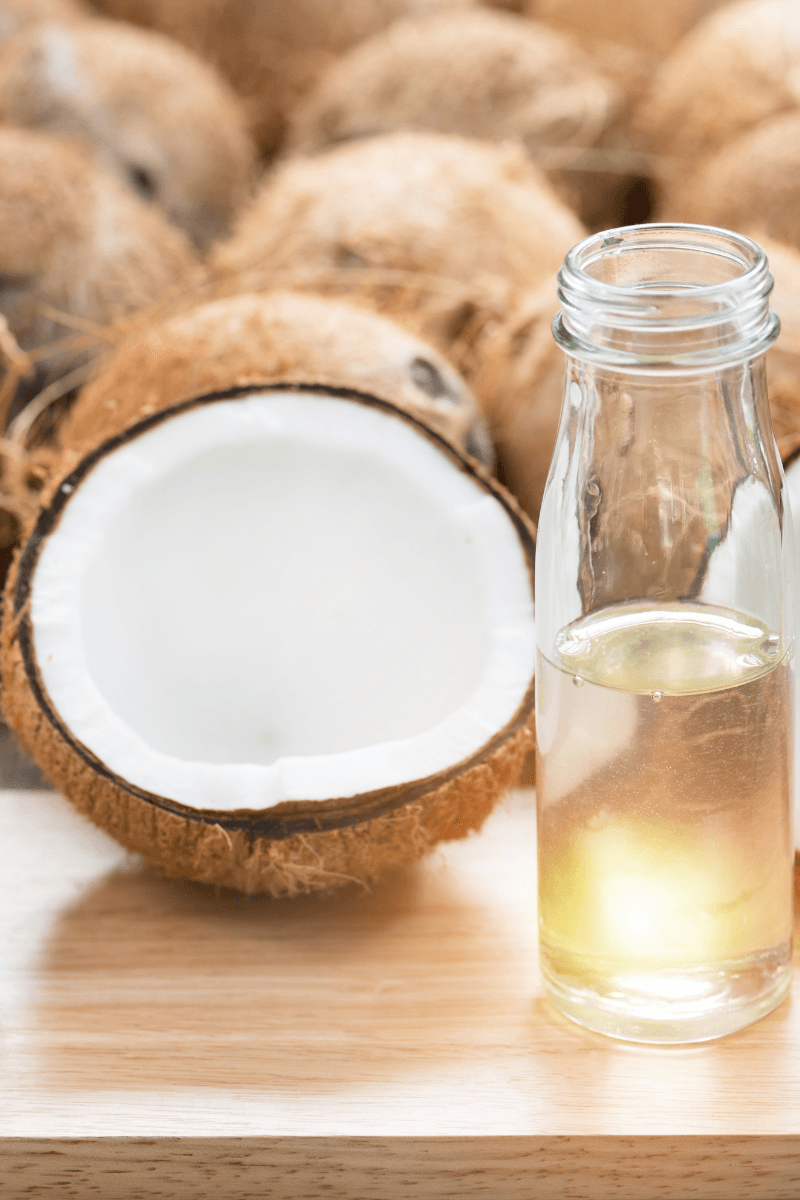
If there’s one ingredient your skin will never tire of, it’s coconut oil. This rich, tropical elixir is the moisturizing soul of any natural body scrub at home. Extracted from the meat of mature coconuts, it’s packed with medium-chain fatty acids like lauric acid, which are deeply nourishing and anti-inflammatory.
When blended into a scrub, coconut oil:
- Restores the skin’s lipid barrier
- Penetrates deeply for long-lasting hydration
- Soothes inflammation and reduces redness
- Forms a protective layer that locks in moisture
The texture of coconut oil is incredibly smooth and silky—it melts on contact with the skin and helps the scrub glide effortlessly. Whether your skin is dry, flaky, or irritated from too much sun or pollution, coconut oil acts as a natural balm.
Plus, its antibacterial and antifungal properties make it suitable for areas prone to body acne, like the shoulders or back.
Pro Tip: Always choose cold-pressed, virgin coconut oil for your scrub to retain the full spectrum of nutrients and healing compounds.
3. Lemon – The Natural Brightener

Lemon is the secret weapon in this natural body scrub at home—a small but mighty addition that adds a zesty kick and a powerful brightening effect. Rich in vitamin C, lemon juice helps fade dark spots, tanning, and uneven pigmentation. It works like a natural skin toner that leaves your body feeling fresh, firm, and energized.
Here’s why lemon deserves a spot in your DIY blend:
- Acts as a natural bleaching agent for tan removal
- Helps tighten pores and smooth skin texture
- Contains citric acid, which exfoliates and balances excess oil
- Delivers a clean, refreshing scent that uplifts the senses
However, because lemon is acidic, it’s important to use it mindfully. For most skin types, especially oily or combination, it works wonders. But if you have sensitive or reactive skin, consider the following:
- Patch test first on your wrist or behind your ear
- Dilute with rose water or aloe juice for gentler use
- Use the scrub at night, since lemon can make your skin photosensitive
Optional Upgrade: Add a few drops of lemon essential oil to intensify the fragrance and enhance the detoxifying effects.
Looking for pigmentation treatments? Don’t miss our Curd & Turmeric Mask for Acne-Prone Skin.
Together, They Work in Harmony
These three ingredients—sugar, coconut oil, and lemon—are the holy trinity of radiant skin. In your natural body scrub at home, they complement one another perfectly:
- Sugar exfoliates,
- Coconut oil moisturizes,
- Lemon brightens and tones.
It’s a luxurious, all-in-one treatment made entirely from pantry staples. No harsh ingredients. No mystery chemicals. Just pure, nourishing care from nature itself.
Creating your own natural body scrub at home not only ensures ingredient safety but also makes skincare more mindful and personal. You know what’s going into your blend, and more importantly—you know it’s made with intention and love.
DIY Natural Body Scrub Recipe
Ingredients
- 1 cup sugar (white or brown)
- ½ cup virgin coconut oil (melted)
- 1 tbsp freshly squeezed lemon juice
- (Optional) 3–4 drops lemon essential oil for added glow
Instructions
- In a bowl, mix sugar and coconut oil.
- Stir in lemon juice and essential oil (if using).
- Transfer to a clean, airtight glass jar.
- Store in a cool, dry place and use within 3–4 weeks.
How to Use It
- Wet your body in the shower.
- Scoop out a small amount of scrub.
- Massage onto skin using circular motions.
- Focus on rough spots like knees, elbows, and feet.
- Let it sit for 1–2 minutes, then rinse with warm water.
- Pat dry—no need for soap!
- Seal in moisture with a natural body oil.
Use 2–3 times a week for glowing, touchable skin.
A gentle natural scrub not only removes dead skin cells but also improves absorption of moisturizers and smooths texture. According to Healthline – Benefits of Body Scrubs, scrubs unclog pores, help prevent ingrown hairs, and leave your skin visibly softer and more radiant.
Skin Pantry Wisdom: When & Where to Use
Exfoliation is not “one-size-fits-all.” Each body area has different needs, and knowing when and where to scrub ensures you get results without overdoing it. Use this simple guide to plan your DIY scrub sessions effectively:
| Body Area | Recommended Frequency | Practical Tips for Best Results |
|---|---|---|
| Arms & Legs | 2–3 times per week | Exfoliate before shaving for smoother results and to reduce chances of ingrown hair. |
| Elbows & Knees | 3 times per week | Focus extra attention here to soften dark, rough patches and restore even texture. |
| Back & Shoulders | Once a week | Gently scrub to unclog pores and prevent body acne or breakouts in these often-neglected areas. |
| Feet | 3–4 times per week | Scrub heels and soles to remove dead, cracked skin and keep feet sandal-ready. |
Custom Upgrades for Skin Types
Every skin type is unique. Instead of following a single recipe, you can personalize your scrub with small, skin-friendly upgrades. This not only makes your routine more effective but also ensures your skin gets exactly what it needs.
| Skin Concern | Suggested Add-On | Why It Helps |
|---|---|---|
| Acne-Prone Skin | 2 drops of tea tree oil | Adds antibacterial power to fight acne-causing bacteria and calm inflammation. |
| Dullness | ½ teaspoon turmeric or a pinch of orange zest | Brightens skin, improves glow, and evens out tone naturally. |
| Dryness | 1 teaspoon raw honey | Deeply hydrates, locks in moisture, and soothes flaky skin. |
| Rough Texture | Swap sugar for sea salt | Provides stronger exfoliation for stubborn rough patches like elbows, knees, or heels. |
Skin Pantry Wisdom
DIY body scrubs are more than just recipes—they’re small self-care rituals that help you reconnect with your skin. By choosing natural ingredients, you’re not only saving money but also keeping your body away from harsh chemicals. Consistency is key, so find a routine that feels good and stick with it.
Let your skin breathe, glow, and thank you with every gentle scrub.
Frequently Asked Questions (FAQs) about Natural Body Scrubs
When it comes to DIY body scrubs, readers often have similar doubts about how to use, store, and get the best results. To make things easier, here are answers to the most common questions people ask:
1. How often should I use a body scrub at home?
It’s best to exfoliate 1–2 times per week. Over-exfoliation can irritate skin, strip natural oils, and cause dryness. Sensitive skin types should stick to once a week, while oily or rough skin may benefit from twice a week.
2. Can I use the same scrub for my face and body?
Not recommended. The skin on your face is more delicate than your body. Body scrubs often contain larger, coarser granules (like salt or sugar) that may be too harsh for facial skin. For your face, always use a gentle, fine-grained scrub or a face-specific recipe.
3. Do homemade body scrubs expire?
Yes. Since they are made with natural ingredients and usually without preservatives, most DIY scrubs last about 1–2 weeks if stored in an airtight glass jar in a cool, dry place. If you’ve added fresh fruit, use within 2–3 days and refrigerate.
4. Can I use body scrubs if I have sensitive skin?
Yes, but choose mild scrubs with softer exfoliants like oatmeal or finely ground rice flour. Avoid harsh granules and essential oils that may trigger irritation. Always patch-test before applying to your whole body.
5. Should I apply body scrub before or after shaving?
Always before shaving. Exfoliating helps remove dead skin cells and lifts hair, giving you a closer shave and reducing the risk of ingrown hairs.
6. Do body scrubs lighten dark spots?
Scrubs help by removing dull, dead skin layers and improving blood circulation, which may gradually brighten skin tone. For stubborn pigmentation, combine scrubbing with natural remedies like turmeric or lemon (in safe, diluted amounts) and consistent sun protection.
7. What’s the best natural oil to mix in body scrubs?
Coconut oil, almond oil, and olive oil are excellent choices as they deeply moisturize and soften skin. If you have acne-prone skin, use lighter oils like jojoba or grapeseed oil.
Formulating your own scrub gives you full control over ingredients, ensuring freshness and nourishment. A recent article demonstrates that DIY scrubs made with coconut oil and exfoliants like sugar or salt can improve skin hydration and brightness—without harmful additives. (DIY Body Scrub Recipes – Medical News Today)
Healing From Your Kitchen Shelf
At Skin Pantry, we believe: if it’s safe enough to eat, it’s safe enough to go on your skin. This natural body scrub at home is a shining example of clean, conscious beauty—crafted with intention, made with love, and rooted in nature.
Forget the expensive jars with hidden chemicals. Embrace this simple, healing ritual that’s gentle, effective, and straight from your kitchen.
Looking for more natural care? Explore our Skin Concerns, Seasonal Skincare, and Face Care DIYs collections.
In a world constantly pushing us toward complicated routines and commercial products, this natural body scrub at home brings us back to the basics—where wellness begins not with price tags, but with presence.
Crafted from just three humble ingredients—sugar, coconut oil, and lemon—this scrub is more than a skincare solution. It’s an act of self-kindness. It gently removes dead skin, yes—but it also peels away stress, fatigue, and the weight of a long day. It reconnects you with your body, your senses, and your roots.
When you take a few minutes to mix this blend, you’re not just creating a scrub. You’re creating space for yourself. When you massage it into your skin, you’re not just exfoliating. You’re grounding yourself. And when you rinse it off, you’re not just unveiling soft, glowing skin—you’re letting go of what no longer serves you.
So say goodbye to the store-bought jars filled with synthetic fillers and mystery ingredients. Say hello to simplicity, to skin that breathes, and to rituals that heal from the inside out.
Let this weekly body scrub become your moment of mindful care—an easy yet powerful ritual that reminds you: your glow doesn’t come from a product. It comes from within.
Glow naturally, radiate confidently—this is skincare the Skin Pantry way.
Disclaimer:
The information provided on skincaresolutions.in is for informational purposes only and reflects personal/home remedies that are commonly used in skincare. It should not replace professional advice. Please do a patch test before trying any new ingredient. If you have sensitive skin, allergies, or medical conditions, consult a dermatologist before use.