In a world full of chemical-laden skincare products and pricey treatments, many are turning to gentler, budget-friendly 9 natural remedies for acne. Especially when your skin is inflamed, sensitive, or reacting badly to commercial solutions, it’s comforting to know that some of the most effective acne fighters might be right inside your kitchen.
Let’s explore how your pantry staples like turmeric, honey, aloe vera, and even potato can be transformed into potent, skin-loving DIYs that calm breakouts and restore balance. If you’ve been struggling with persistent pimples, blackheads, or angry red blemishes, these natural remedies for acne are worth trying before heading back to synthetic options.
Why Choose 9 Natural Remedies for Acne?
Before diving into the kitchen cures, it’s worth understanding why natural remedies for acne have gained so much popularity. Here are a few reasons:
- Gentle on Skin: Natural ingredients are less likely to irritate sensitive or inflamed skin.
- Affordable: No need to break the bank — most remedies cost less than your morning coffee.
- No Harsh Chemicals: Say goodbye to sulfates, parabens, and synthetic fragrances.
- Holistic Healing: Natural treatments often offer anti-inflammatory, antibacterial, and soothing benefits all at once.
- Eco-Friendly: Less packaging, more sustainability.
And best of all? These kitchen ingredients often come with multiple skin benefits — not just acne relief.
9 DIY Remedies for Acne-Prone Skin Using Kitchen Ingredients
Struggling with persistent breakouts and tired of harsh chemical treatments? The good news is, some of the best solutions are already in your kitchen! These natural remedies for acne are gentle, affordable, and incredibly effective when used consistently. Let’s explore 9 simple DIYs you can whip up at home to soothe, treat, and prevent acne — naturally.
1. Turmeric and Honey Spot Treatment
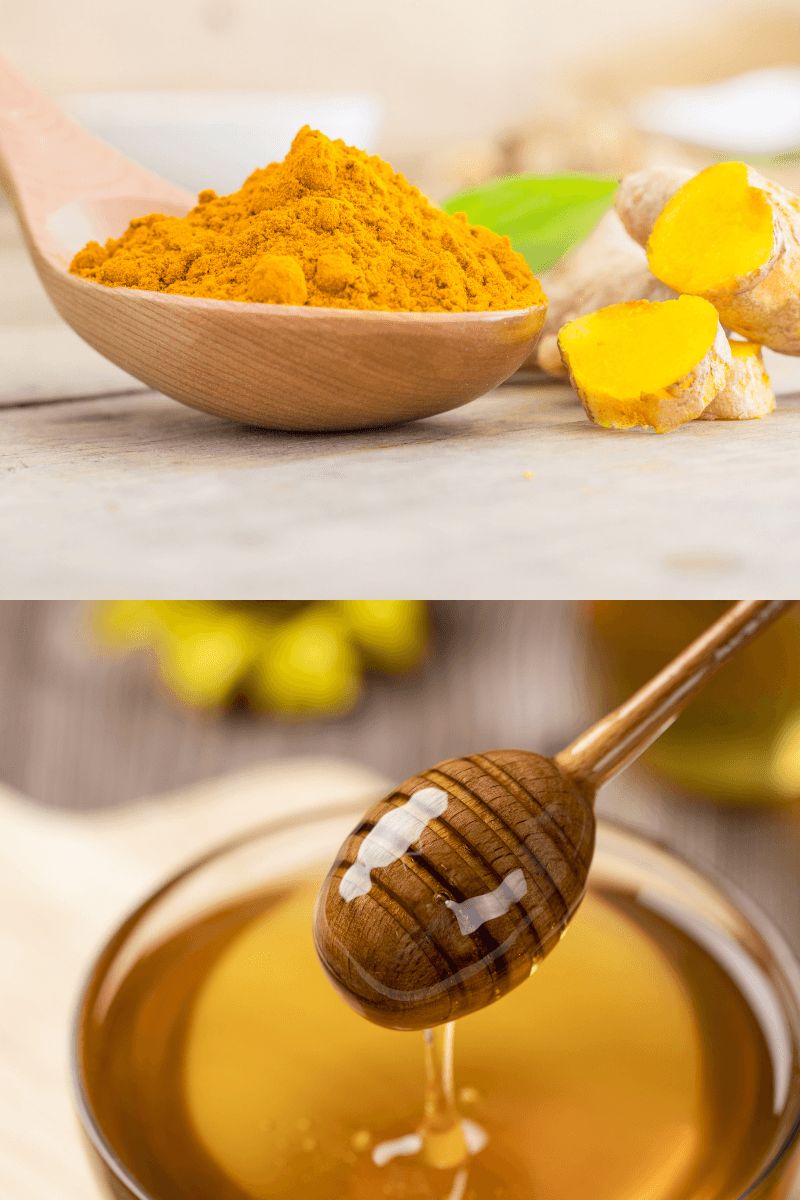
Turmeric isn’t just a spice — it’s a golden healer. Rich in curcumin, a potent anti-inflammatory compound, turmeric calms inflamed skin and helps diminish the bacteria that lead to breakouts. Paired with raw honey, which is naturally antibacterial and hydrating, this treatment becomes a powerful duo for acne-prone skin.
You’ll Need:
- 1 teaspoon turmeric powder (organic preferred)
- 1 tablespoon raw honey (manuka or wild forest)
- Mixing Bowl
How to Use:
Mix the two into a smooth, sticky paste. Apply directly to active pimples or acne spots. Let it sit for 15–20 minutes, then rinse off gently with lukewarm water. Use 2–3 times a week for best results.
Why It Works:
This remedy reduces inflammation, fights acne-causing bacteria, and helps fade scars over time. It’s one of the most trusted natural remedies for acne, especially effective for painful, red spots.
Pro Tip: Use a cotton bud to apply the paste only to affected areas to avoid yellow staining on the entire face.
2. Aloe Vera and Tea Tree Oil Gel
Aloe vera is soothing, This one’s a lightweight powerhouse. Aloe vera provides instant relief to red, irritated skin and speeds up healing. Tea tree oil, on the other hand, has strong antimicrobial properties that help kill acne-causing bacteria and reduce oil buildup.
You’ll Need:
- 2 tablespoons fresh aloe vera gel (or 100% pure store-bought)
- 2–3 drops tea tree essential oil
How to Use:
Mix well and apply to freshly cleansed skin. Use it as an overnight leave-on gel or a 20-minute soothing mask before rinsing off. Store leftovers in a small airtight jar in the fridge for 3–5 days.
Why It Works:
This blend hydrates without clogging pores and actively works against acne bacteria — making it one of the gentlest and most reliable natural remedies for acne.
Pro Tip: Always do a patch test for tea tree oil, and never use it undiluted.
3. Potato Juice for Blemish Control

It might sound surprising, but the humble potato is loaded with vitamin C, enzymes, and starch that help reduce inflammation, fade dark spots, and control excess oil — all essential for acne care.
You’ll Need:
- 1 raw potato, peeled and grated
- Clean muslin cloth or fine strainer
How to Use:
Grate the potato and extract the juice by squeezing it through a cloth. Apply the juice directly to acne-prone areas using a cotton pad. Leave it on for 15–20 minutes, then rinse.
Why It Works:
Potato juice is cooling and brightening. It’s especially great for people dealing with acne marks and dull skin. Plus, it’s one of the most accessible natural remedies for acne — no fancy tools needed!
Pro Tip: Use immediately after extraction for the best enzyme activity.
4. Apple Cider Vinegar Toner
This DIY toner restores your skin’s natural pH and acts as a mild exfoliant. Apple cider vinegar contains acetic acid, which helps remove dead skin, unclog pores, and kill bacteria — all without stripping your skin.
You’ll Need:
- 1 part raw, unfiltered apple cider vinegar
- 3 parts filtered water or rose water
- Spray bottle (preferably dark glass)
How to Use:
Mix the solution and store it in the spray bottle. After cleansing your face, mist a light layer on your skin or apply using a reusable cotton pad. Follow up with a moisturizer. Use once daily or every other day.
Why It Works:
Its pH-balancing and antibacterial properties make it one of the most effective natural remedies for acne, especially for oily skin types.
Pro Tip: Always do a patch test, and never apply undiluted ACV to your face.moderately, it’s one of the most reliable natural remedies for acne that also prevents new breakouts.
5. Oatmeal and Yogurt Soothing Mask
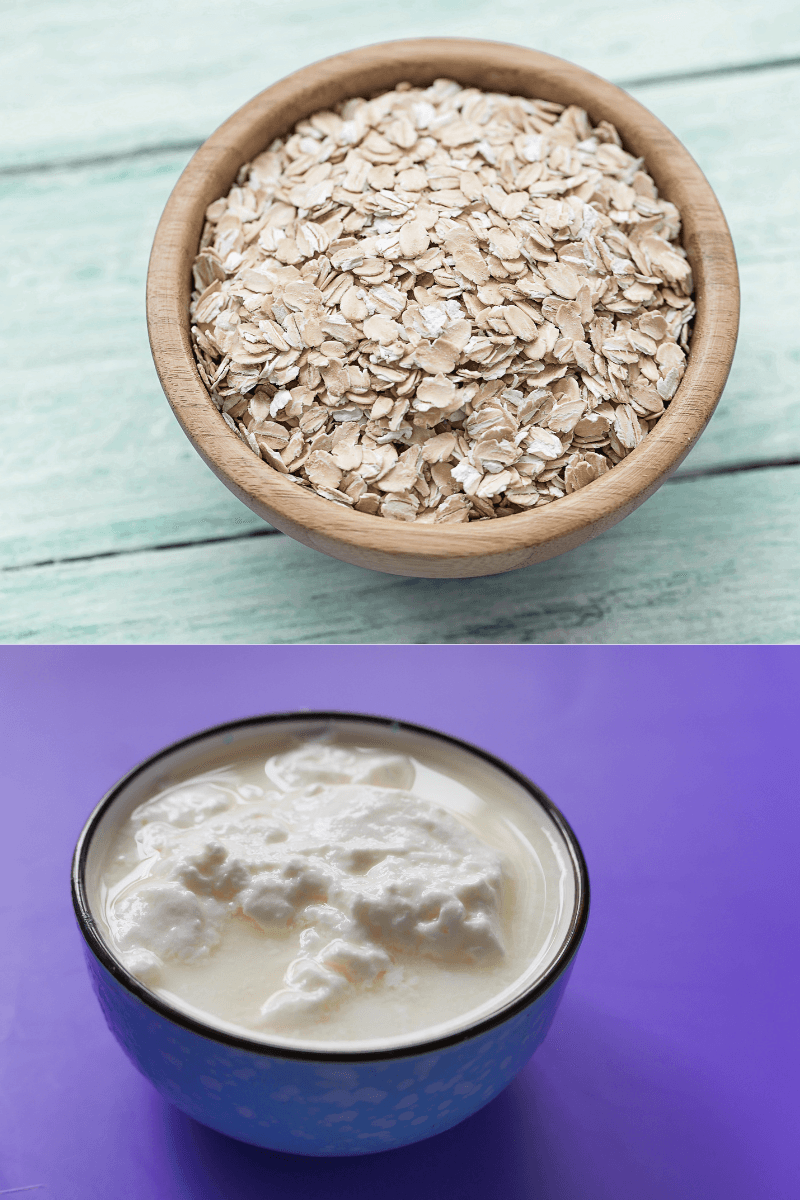
When acne flares up and your skin feels angry, turn to this calming combination. Oatmeal contains beta-glucan, which soothes irritation, while yogurt has lactic acid that gently exfoliates dead skin and supports skin renewal.
You’ll Need:
- 2 tablespoons cooked and cooled plain oatmeal
- 1 tablespoon plain, unsweetened yogurt
How to Use:
Blend both into a creamy paste. Apply to clean, dry skin and let it sit for 15–20 minutes. Rinse off with lukewarm water using gentle circular motions.
Why It Works:
This mask is perfect for those with sensitive or inflamed acne. It helps calm redness, moisturize dry patches, and lightly exfoliate — ticking multiple boxes for natural remedies for acne.
Pro Tip: Use twice a week to maintain skin softness and prevent dryness-related breakouts. active acne and reduce redness. For sensitive skin types, this is one of the gentlest natural remedies for acne.
6. Green Tea Ice Cubes for Redness & Swelling
Irritated pimples and redness can be instantly soothed with this easy yet powerful trick. Green tea is full of antioxidants like EGCG, which help reduce inflammation and protect skin cells from damage.
You’ll Need:
- 1 cup strongly brewed green tea (cooled)
- Ice cube tray
- Soft cloth or muslin wrap
How to Use:
Pour the green tea into the tray and freeze. Wrap a cube in cloth and apply to inflamed areas for 30–60 seconds. Repeat as needed, especially after cleansing or sun exposure.
Why It Works:
This is a fast-acting and refreshing addition to your skincare routine. It not only calms swelling but also improves overall clarity — making it a multi-tasker in the realm of natural remedies for acne.
Pro Tip: You can also add aloe juice or rose water to the tea for added skin benefits.
7. Multani Mitti (Fuller’s Earth) Deep Cleanse Mask
A classic ingredient in Indian skincare, Multani Mitti is loved for its deep cleansing and oil-absorbing abilities. It draws out dirt, toxins, and bacteria from clogged pores while leaving the skin refreshed.
You’ll Need:
- 2 tablespoons Multani Mitti
- 1 tablespoon rose water or filtered water
How to Use:
Mix into a smooth paste and apply a thin, even layer over your face. Leave on until semi-dry (about 10–15 minutes), then rinse with lukewarm water.
Why It Works:
This is one of the most purifying natural remedies for acne, ideal for oily and congested skin types. It helps reduce shine, tighten pores, and prevent future breakouts.
Pro Tip: Don’t let it dry completely — remove when slightly damp to avoid over-drying..
8. Neem Leaf Paste for Persistent Acne
Neem is an age-old Ayurvedic remedy for its antibacterial, antifungal, and anti-inflammatory powers. It’s particularly effective for hormonal or recurring acne that doesn’t respond to milder treatments.
You’ll Need:
- A handful of fresh neem leaves (or 1 tsp neem powder– Ayurvedic acne control)
- Filtered water
How to Use:
Grind the leaves into a paste. Apply as a spot treatment or full-face mask. Leave on for 15–20 minutes, then rinse. Repeat 2–3 times a week.
Why It Works:
Neem deeply purifies the skin and helps eliminate stubborn bacteria. It’s a powerful tool among natural remedies for acne, especially for those dealing with painful cystic breakouts.
Pro Tip: You can also steep the leaves in hot water for a DIY acne facial steam.
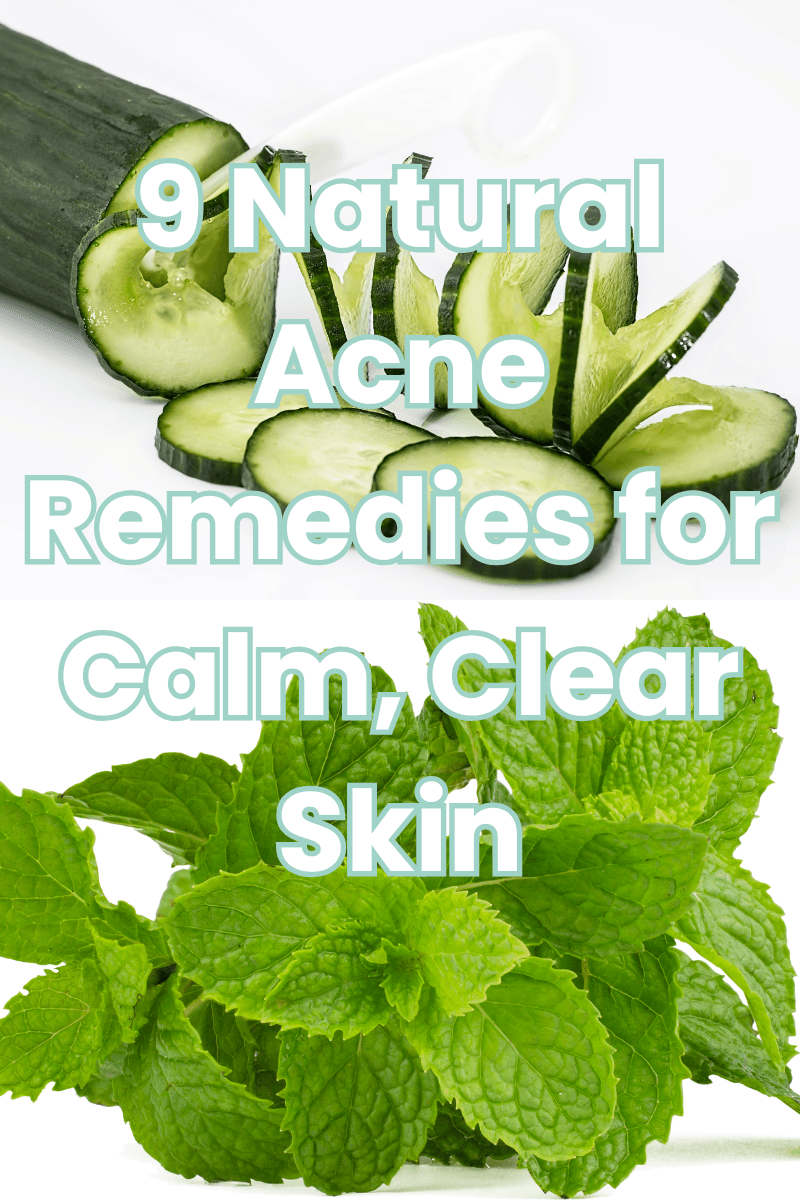
9. Cucumber and Mint Skin Refresher
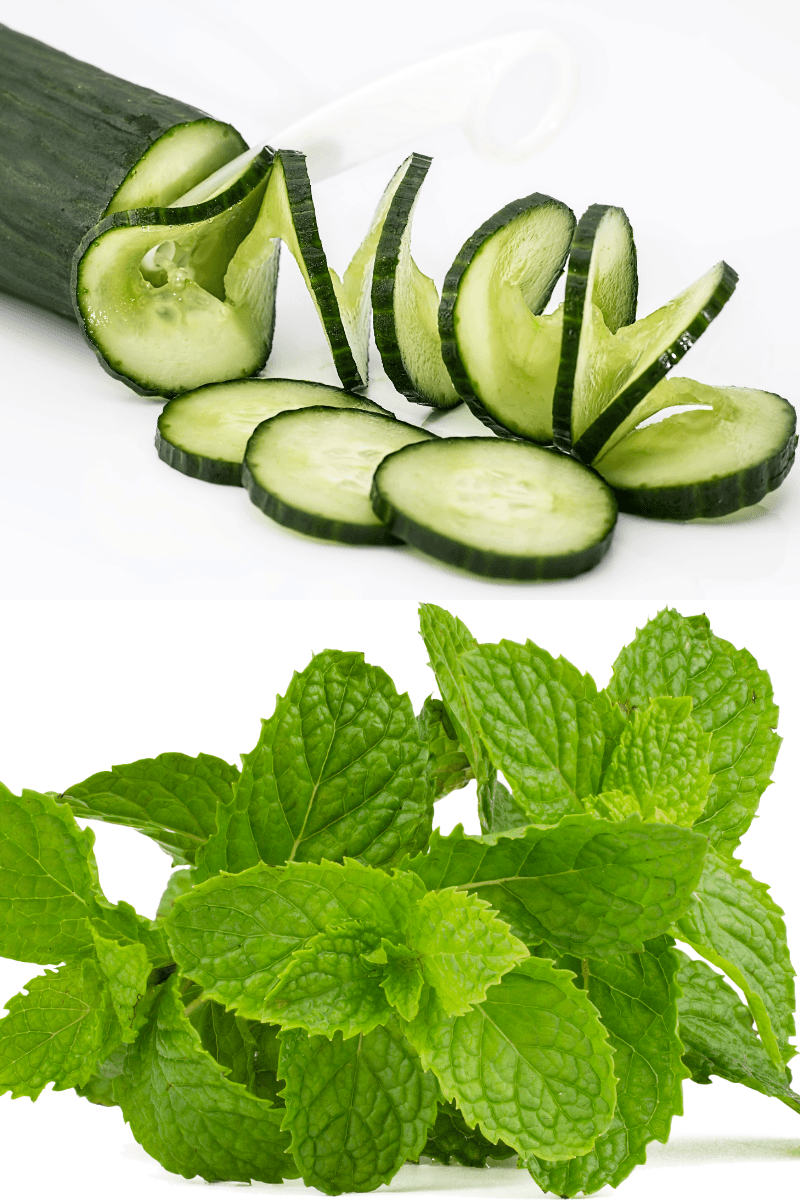
This refreshing toner is hydrating and antimicrobial — a great morning pick-me-up for acne-prone skin. Cucumber cools and soothes, while mint helps control oil and fights bacteria.
You’ll Need:
- ½ cucumber (peeled and chopped)
- 5–6 fresh mint leaves
- Blender + strainer or muslin cloth
How to Use:
Blend the cucumber and mint together, strain the juice, and pour into a spray bottle. Store in the fridge and spritz on clean skin in the morning or after sun exposure.
Why It Works:
This is one of the most refreshing natural remedies for acne, keeping the skin hydrated and balanced while reducing redness.
Pro Tip: You can also add a few drops of rose water or aloe juice for bonus glow!
These kitchen-based DIYs offer some of the most effective natural remedies for acne, helping you take back control of your skincare with clean, simple, and affordable solutions. Whether you’re dealing with occasional breakouts or long-term acne-prone skin, these remedies can support healing without harsh side effects.
DIY face masks can deliver a natural glow and deep nourishment. As highlighted by Healthline – Homemade Facial Mask Benefits, consistent use can detoxify, hydrate, soothe, and rejuvenate your skin—turning simple pantry ingredients into effective skincare treatments.
Healthline
Final Tips to Get the Best Results from Natural Remedies for Acne
While these kitchen-crafted treatments can work wonders, achieving truly healthy, clear skin takes time, patience, and mindful care. If you’re embracing natural remedies for acne, these final tips will help you get the most from your DIY journey:
1. Consistency is Key — Don’t Expect Overnight Miracles
One of the most important things to remember about natural remedies for acne is that they work gradually. Unlike synthetic treatments that may produce fast but harsh results, natural methods support your skin’s healing process gently over time.
Stick with your chosen remedies for at least 4–6 weeks before expecting visible changes. Whether it’s turmeric, aloe, or Multani Mitti, results build up slowly — but they are often more sustainable and skin-friendly.
Think of it like watering a plant — steady, consistent care helps your skin bloom.
2. Always Do a Patch Test First
Even though you’re using natural ingredients, every skin type reacts differently. Some people may be allergic or sensitive to certain components like tea tree oil, raw honey, or apple cider vinegar.
Before applying any remedy to your face:
- Dab a small amount on your inner wrist or behind your ear.
- Wait for 12–24 hours and observe.
- If there’s no itching, burning, or redness, it’s safe to proceed.
This one simple habit can save you from unnecessary irritation — and it’s especially important when experimenting with new natural remedies for acne.
Also Read : 3. Hydrate from Within & Eat Skin-Friendly Foods
Skincare isn’t just topical — your lifestyle plays a huge role too. Drinking enough water (at least 8 glasses a day) keeps your skin cells plump and helps flush out toxins that can contribute to breakouts.
Incorporate:
- Leafy greens (rich in zinc and antioxidants)
- Omega-3s from flaxseeds, walnuts, or fatty fish
- Probiotics like curd or yogurt to balance gut bacteria
- Fresh fruits like papaya and berries for vitamins
Pairing a clean, anti-inflammatory diet with natural remedies for acne creates a double-layered defense system — working both internally and externally.
4. Hands Off! Avoid Touching or Squeezing Pimples
As tempting as it is, picking at your skin or popping pimples can cause more harm than good. It pushes bacteria deeper, increases inflammation, and often leads to long-lasting scars or dark spots.
If you notice a breakout:
- Use your DIY spot treatment (like turmeric and honey or neem paste).
- Let the natural healing take place without interference.
- Ice the area gently if it’s painful or swollen.
Remember, the goal of natural remedies for acne is not just to treat existing breakouts — but to prevent long-term damage and promote healthier skin behavior.
5. Mix Remedies Mindfully — Less is More
While enthusiasm is great, layering too many treatments at once can confuse or overwhelm your skin. For example, using a vinegar toner, neem paste, and tea tree oil all in one day might dry out or irritate your face.
Instead:
- Choose 1–2 remedies and use them consistently.
- Allow your skin to adjust and respond before adding new ingredients.
- Listen to how your skin reacts — tightness, redness, or stinging is a sign to pull back.
Balanced, intentional use of natural remedies for acne is far more effective than overdoing it. Treat your skin like a friend — it needs gentle care, not pressure to perform.
Creating your own skincare rituals is not just about impact—it’s about empowerment. Experts mention that using natural ingredients like honey, aloe vera, and tea tree oil can “nourish your skin and enhance glow naturally“.
Bonus: Build a Gentle Weekly Routine for Acne-Prone Skin
A consistent, gentle schedule helps your skin heal, prevents over-exfoliation, and maximizes the benefits of natural remedies. Here’s a detailed weekly plan:
| Day | Remedy & Application | Purpose & Tips |
|---|---|---|
| Monday | Aloe Vera + Tea Tree Gel (overnight) | Soothes inflammation, calms redness, and fights acne-causing bacteria. Apply a thin layer only on affected areas. |
| Wednesday | Oatmeal & Yogurt Calming Mask (15–20 min) | Gently exfoliates, hydrates, and reduces irritation. Use lukewarm water to rinse and pat dry. |
| Friday | Apple Cider Vinegar Toner + Green Tea Ice (5–10 min) | Balances pH, tightens pores, and reduces excess oil. Always dilute vinegar and apply only on clean skin. |
| Sunday | Multani Mitti Clay Mask or Neem Paste (15–20 min) | Absorbs excess oil, prevents new breakouts, and provides antibacterial support. Avoid using daily to prevent dryness. |
Pro Tips for the Routine:
Adjust frequency based on skin type: skip stronger remedies if skin feels sensitive or inflamed.
Always patch test new remedies to avoid irritation.
Leave rest days between treatments so the skin can recover naturally.
Apply light moisturizer or aloe gel after clay masks to maintain hydration.
When to See a Dermatologist
While natural remedies for acne can work wonders for mild to moderate breakouts, it’s important to know when to seek professional help. If your acne is painful, cystic, or scarring, consult a dermatologist for targeted treatments. Sometimes, internal factors like hormones or gut health need to be addressed alongside topical care.
Healing from Your Kitchen Shelf
Using natural remedies for acne doesn’t mean compromising on results — in fact, for many people, these simple kitchen-based solutions bring calm, clarity, and confidence back to their skin. Whether it’s the antibacterial power of neem, the soothing cool of cucumber, or the age-old magic of turmeric, nature has your back.
So the next time a pimple pops up or your skin feels congested, skip the chemical chaos and walk into your kitchen. You might just find your skin’s next holy grail — made with love, not labs.
Disclaimer
The information provided on skincaresolutions.in is for informational purposes only and reflects personal/home remedies that are commonly used in skincare. It should not replace professional advice. Please do a patch test before trying any new ingredient. If you have sensitive skin, allergies, or medical conditions, consult a dermatologist before use.