5 monsoon skincare routine DIY. When the monsoon clouds gather and raindrops dance on your windowpane, your heart may rejoice—but your skin often throws a tantrum. That dreamy weather brings not just cool breezes but also sky-high humidity, clogged pores, and surprise acne breakouts.
If you’ve noticed your face turning unusually oily, dull, or irritated during this rainy season, it’s time to stop blaming your skin—and start revamping your monsoon skincare routine DIY. In this guide, we’ll walk through 5 powerful, natural DIYs straight from your kitchen that actually work. Think of it as your skin’s raincoat—protective, healing, and 100% chemical-free.
Why the Monsoon Demands a Special Skincare Routine
The monsoon season brings relief from the scorching summer heat, but it also introduces unique challenges for your skin. High humidity, frequent rain, and fluctuating temperatures can lead to unexpected problems if your routine doesn’t adapt. Here’s what your skin is facing:
- Humidity Overload: Excess moisture in the air stimulates sebaceous glands, causing your skin to produce more oil than usual. This can leave your face looking shiny and feel sticky, even after cleansing.
- Sweat and Pollution: The combination of sweat and environmental pollutants clogs pores, leading to breakouts, blackheads, and acne flare-ups.
- Fungal & Bacterial Infections: Damp conditions create the perfect breeding ground for fungi and bacteria. Common issues include body rashes, athlete’s foot, and fungal acne.
- Irritation from Weather Shifts: Sudden changes between humid and cooler conditions can trigger inflammation, redness, and sensitivity, especially for those with delicate or reactive skin.
Because of these factors, your monsoon skincare routine cannot be the same as summer or winter routines. It needs to be:
- Lightweight: Avoid heavy creams that trap sweat and oil.
- Deeply Cleansing: Remove excess oil, sweat, and dirt without stripping your skin.
- Naturally Antibacterial & Soothing: Ingredients like aloe vera, honey, and neem help prevent infections and calm irritation.
Adapting your routine to these seasonal challenges ensures your skin remains healthy, radiant, and comfortable throughout the rainy months.al.
5 Game-Changing DIYs for Monsoon Skin Woes
When your skin starts misbehaving during the rainy season—breaking out, turning greasy, or looking tired and dull—it’s not just coincidence. It’s the monsoon effect. The high humidity clogs pores, while pollution sticks to your skin like glue, and constant dampness makes your skin vulnerable to fungal or bacterial infections.
That’s where these 5 game-changing DIYs come in. Each recipe is carefully crafted to tackle the most common monsoon skincare struggles: excess oil, breakouts, patchiness, and sensitivity. And the best part? You don’t need expensive serums or salon treatments. Your kitchen shelf has all the magic.
Here’s how these humble ingredients turn into monsoon skin heroes:
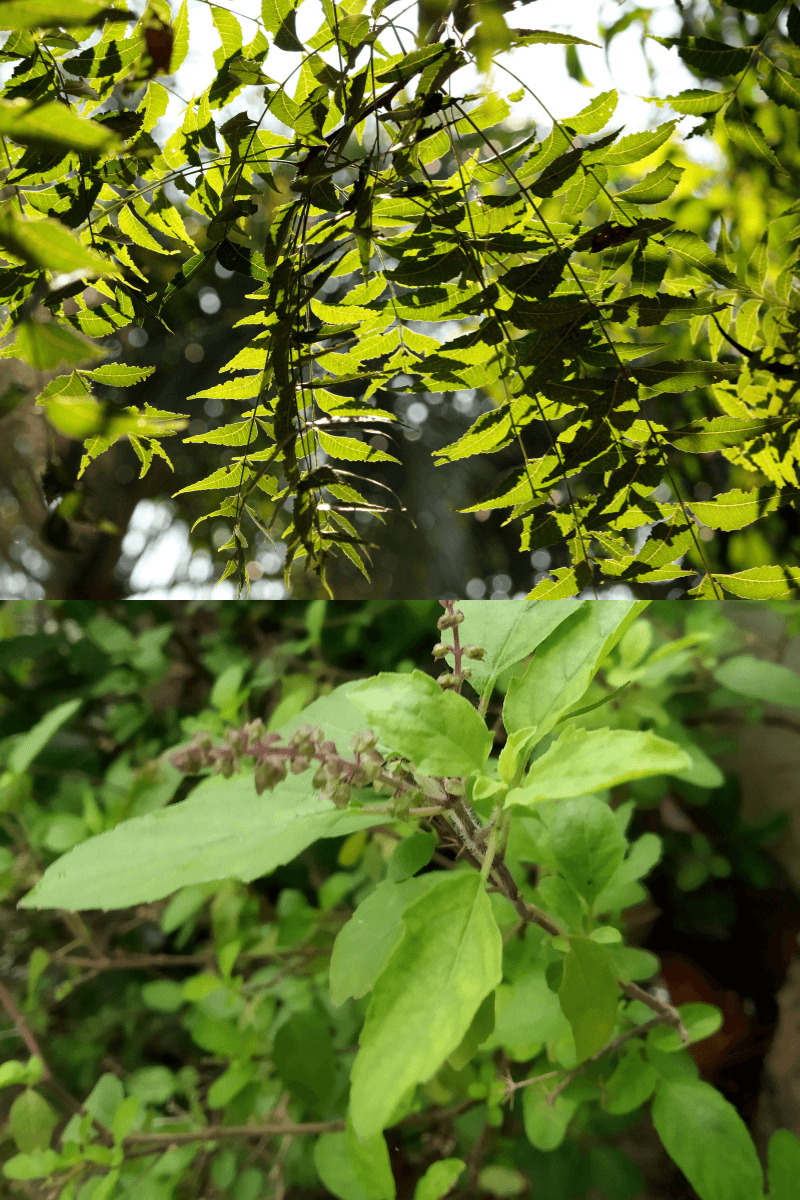
1. Neem & Tulsi Anti-Acne Cleanser
Concern it solves: Acne, oiliness, and clogged pores
Why it works: Neem is nature’s antibiotic. Tulsi is anti-inflammatory and a skin purifier. Together, they form a gentle yet powerful cleanser that clears bacteria and regulates oil.
Ingredients:
- 10–12 fresh neem leaves
- 8–10 tulsi (holy basil) leaves
- 1 tsp rose water
- 1 tsp multani mitti (optional for oily skin)
Method:
- Grind neem and tulsi into a fine paste.
- Add rose water to get a creamy texture.
- If you have oily skin, mix in multani mitti.
- Massage gently onto damp skin and rinse after 2 minutes.
- Use it: 3 times a week
Pro Tip: Freeze in an ice tray—use one cube per wash for freshness and convenience. - Perfect for: Acne-prone, combination, and oily skin
Monsoon Tip: Use cold water to rinse—it tightens pores post-cleansing.
Add this to your monsoon skincare routine to prevent surprise acne flare-ups.
This DIY acts like a skin detox after a long, sweaty day. It cleanses without drying and gives you that fresh-faced, squeaky-clean feel.
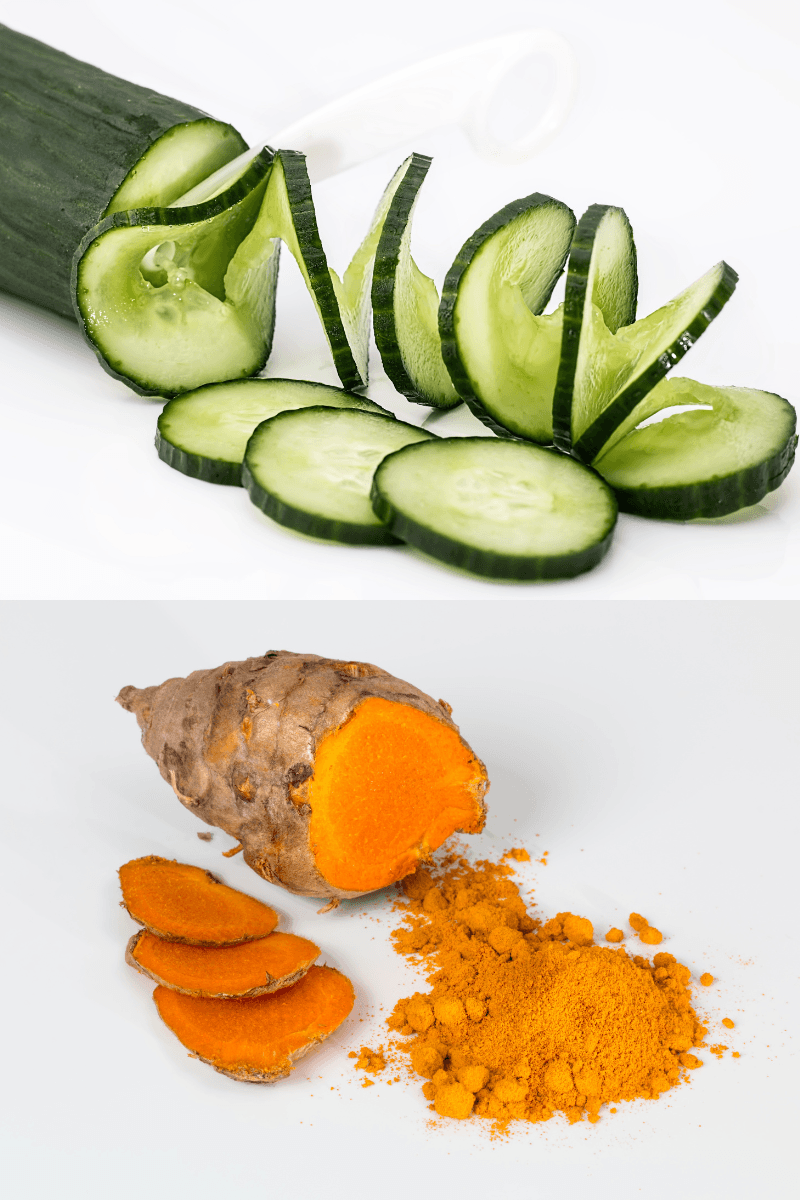
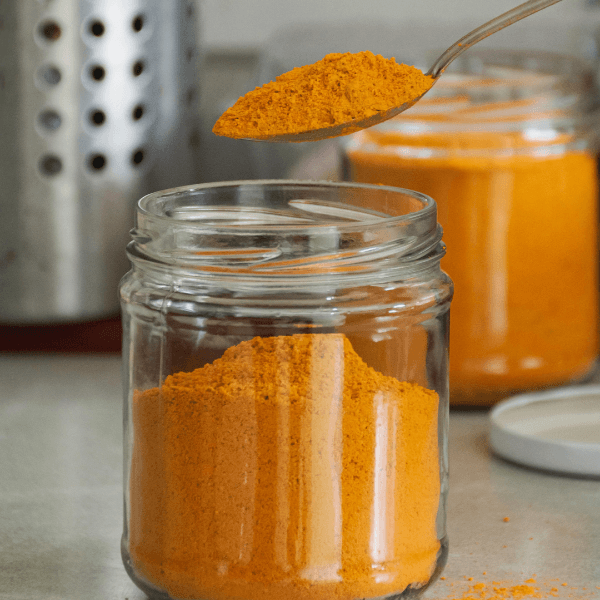
2. Cooling Cucumber-Turmeric Toner
Concern it solves: Redness, irritation, enlarged pores
Why it works: Cucumber is naturally cooling and hydrating. Turmeric helps fight inflammation and bacterial buildup that worsens in the monsoon.
Ingredients:
- ½ grated cucumber
- 1 tsp turmeric organic powder
- 2 tbsp rose water
Method:
- Squeeze juice from the grated cucumber.
- Mix with turmeric and rose water.
- Store in a spray bottle in the fridge.
- Use it: Twice daily
Pro Tip: Always do a patch test for turmeric; it can leave a yellow tint on sensitive skin. - Perfect for: Sensitive, normal to oily skin
Monsoon Tip: Keep it in the fridge for an extra refreshing feel!
This hydrating toner balances your monsoon skincare routine with anti-inflammatory power.
This DIY toner is like a fresh splash of calm on your face. It restores balance to your skin, especially after a day out in the rain or after sweating indoors.
3. Tea Tree-Clay Detox Mask
Concern it solves: Blackheads, dullness, grease, and sweat buildup
Why it works: Clay draws out impurities, and tea tree oil is a proven antiseptic. This combo cleanses deep into your pores and prevents fungal flare-ups caused by monsoon moisture.
Ingredients:
- 1 tbsp bentonite or multani mitti
- 2 drops tea tree essential oil
- 1 tsp apple cider vinegar
- Water as needed
Method:
- Combine all ingredients to form a paste.
- Apply on clean skin and leave on for 10 minutes.
- Rinse off while still slightly wet—don’t let it crack completely.
- Use it: Once a week
Pro Tip: Always moisturize after clay masks to keep skin balanced. - Perfect for: Oily, acne-prone, and combination skin
Monsoon Tip: Don’t let the mask dry out completely; wash while still slightly damp to avoid irritation.
An essential detox step in your monsoon skincare routine to clear and calm your skin.
Think of it as a mini facial for your skin—cleansing, brightening, and purifying—all in under 15 minutes.
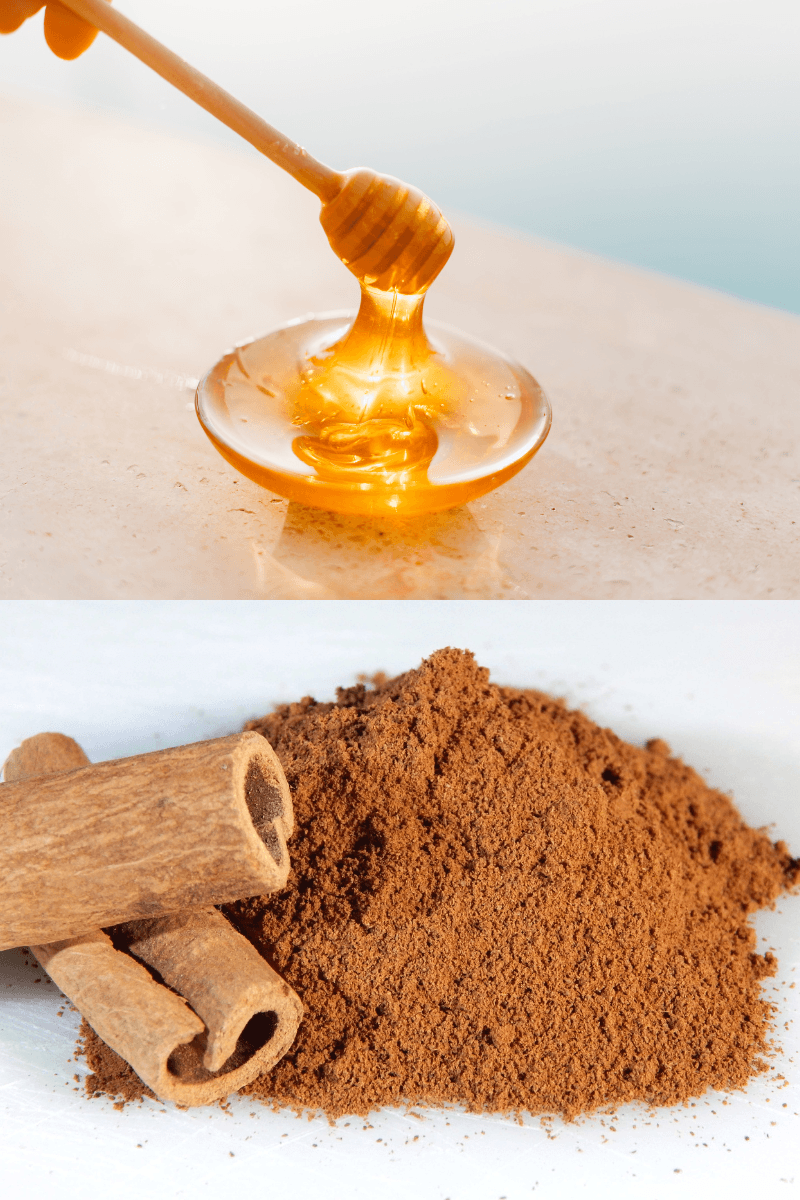
4. Honey-Cinnamon Spot Corrector
Concern it solves: Active pimples, acne marks, and sudden zits
Why it works: Honey kills bacteria while calming the skin, and cinnamon helps boost circulation to heal inflamed areas.
Ingredients:
- 1 tsp raw, organic honey
- A pinch of cinnamon powder
Method:
- Mix and apply only on affected spots.
- Leave on overnight or for 30 minutes.
- Rinse with lukewarm water.
- Use it: 2–3 times a week
Pro Tip: Sensitive skin? Use only honey or test first with a small patch. - Perfect for: All skin types (patch test if sensitive)
Monsoon Tip: Avoid applying it on broken skin or large areas—target spots only.
This is your emergency fix in any monsoon skincare routine for those surprise zit attacks.
This is your secret weapon for those annoying, “why now?” pimples. Dab it on, and let it work overnight. You’ll often wake up to calmer, reduced breakouts.
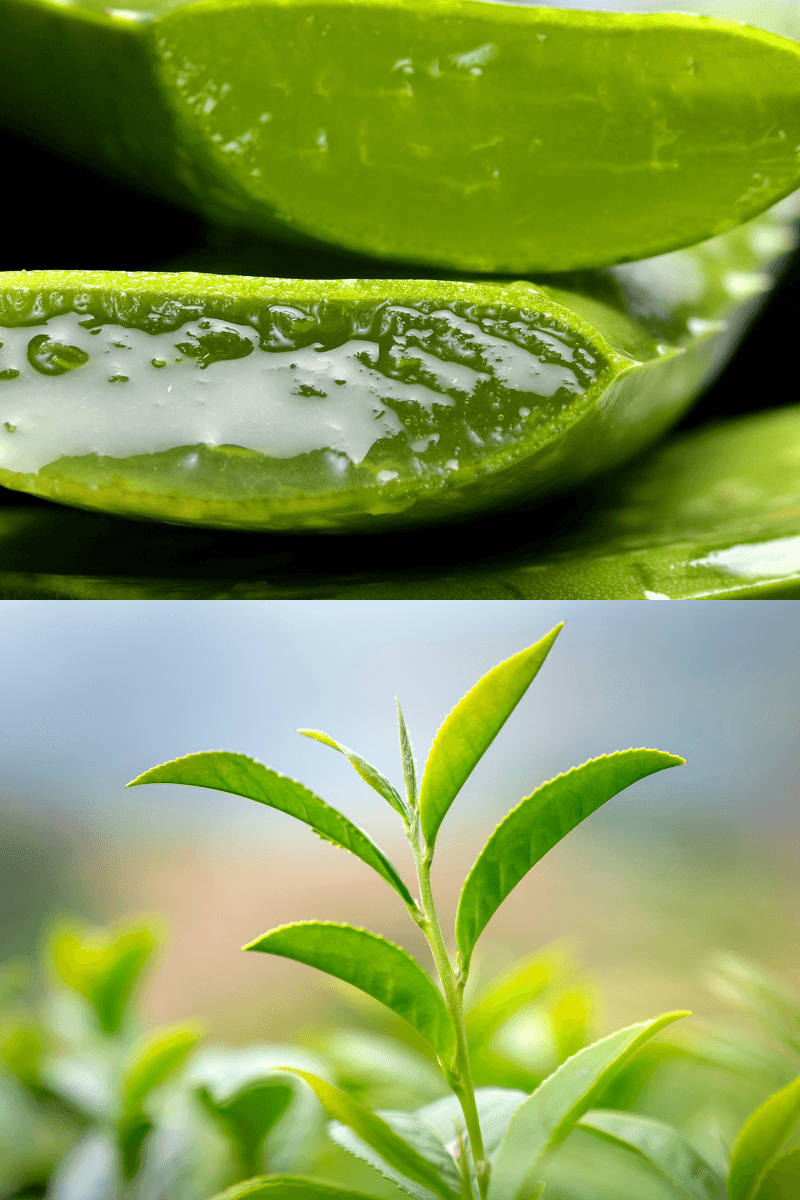
5. Aloe-Green Tea Hydration Gel
Concern it solves: Dehydrated but oily skin, irritation, and inflammation
Why it works: Aloe soothes and hydrates without clogging pores. Green tea brings in antioxidants and helps reduce oil production.
Ingredients:
- 2 tbsp fresh or store-bought aloe vera gel
- 1 tbsp brewed green tea (cooled)
- 1 vitamin E capsule (optional)
Method:
- Mix all ingredients into a smooth gel.
- Apply as a moisturizer after cleansing and toning.
- Use it: Morning and night
Pro Tip: Store in a clean glass jar, and refrigerate for 5–7 days. - Perfect for: All skin types, especially sensitive or oily skin
Monsoon Tip: Apply after toner and before sunscreen to lock in hydration.
This soothing moisturizer becomes a must-have in your monsoon skincare routine for oil-free hydration.
In monsoon weather, your skin doesn’t want thick creams—it wants something feather-light. This gel is like a tall glass of water for your face. Refreshing, healing, and protective.
The monsoon season requires gentle yet effective skincare. As highlighted by Times of India – Monsoon-Proof Your Skin: 5 Dermatologist Tips, using lightweight moisturizers, gentle cleansers, and proper sunscreen helps maintain healthy skin throughout the rainy season.
Weekly Monsoon Skincare Routine Plan
Maintain a light yet consistent skincare routine during the monsoon to combat oiliness, breakouts, and fungal issues. Here’s a structured weekly plan:
| Day | Morning Routine | Evening Routine | Notes / Tips |
|---|---|---|---|
| Monday | Neem Cleanser + Toner + Aloe Gel | Spot Treatment + Aloe Gel | Neem cleanses impurities and prevents acne; aloe soothes irritation. |
| Tuesday | Gentle Cleanser + Toner | Clay Mask + Moisturizer | Clay mask absorbs excess oil and detoxifies skin; follow with light moisturizer to avoid dryness. |
| Wednesday | Cucumber Toner + Aloe Gel | Rest Day or Ice Cube Massage | Ice massage calms inflammation and reduces puffiness; let skin rest in the evening. |
| Thursday | Neem Cleanser + Toner | Aloe Gel + Light Facial Oil | Light facial oils like jojoba or almond oil help maintain hydration without greasiness. |
| Friday | Green Tea Face Wash + Toner | Tea Tree Mask + Honey Spot Care | Green tea acts as antioxidant and toner; tea tree mask targets acne; honey heals and hydrates spots. |
| Saturday | Cleanser + Toner | Relaxation or Skin Soak Ritual | Use lukewarm water and gentle ingredients; optional foot soak with neem leaves to prevent fungal infections. |
| Sunday | Full Routine + Mask | Aloe + Sleep (No Screens!) | End the week with a nourishing mask; aloe locks in moisture; avoid screens to reduce skin stress. |
Tips for Success
Adjust as Needed: Skip masks or exfoliation if your skin feels sensitive or irritated.
Consistency is key: Even light routines work if followed regularly.
Hydrate: Drink 2–3 liters of water daily to support skin from within.
Patch Test: Always test new masks or oils on a small area to prevent reactions.
We’ll soon be sharing our go-to kitchen ingredient spotlight posts—like how to use turmeric, aloe, or oats for rainy-day skin. Keep an eye on our Kitchen Ingredients Guide.
Extra Monsoon Glow Tips (Don’t Skip!)
Beyond your daily routine, these simple habits can help your skin stay healthy, clear, and radiant during the monsoon season:
- Drink Herbal Water Daily: Boiling water with jeera (cumin seeds), tulsi (holy basil), or coriander seeds creates a natural detox drink. These herbs help flush out toxins, reduce inflammation, and support glowing skin from the inside. Aim for 1–2 cups a day.
- Change Pillow Covers Weekly: Humidity and sweat encourage bacterial and fungal growth on pillowcases. Changing them weekly prevents breakouts and skin irritation, keeping your sleep environment clean and skin-friendly.
- Go Light on Makeup: Heavy makeup in the humid monsoon can clog pores and worsen acne. Stick to non-comedogenic or minimal products. If you must wear makeup, remove it thoroughly with a gentle cleanser at the end of the day.
- Steam Your Face Weekly: Facial steaming opens pores, allowing trapped dirt and oil to be removed. Follow with light moisturizers or aloe vera gel to seal hydration. A 5–10 minute steam session once a week can improve circulation and give your skin a fresh, radiant glow.
- Eat Gut-Friendly & Hydrating Foods: Include curd, papaya, cucumber, watermelon, and leafy greens in your diet. These foods support digestion, reduce inflammation, and provide water-rich nutrients that help keep your skin supple and naturally bright.
Pro Tips for Maximum Effect
- Pair herbal water with a balanced diet rich in antioxidants for a double boost.
- Avoid touching your face unnecessarily, especially during humid weather.
- Keep a small aloe vera gel in the fridge for quick hydration and soothing after sun or pollution exposure.
FAQ: Monsoon Skincare Routine
Before we dive into your questions, here’s something exciting—
We’ll soon be sharing our go-to kitchen ingredient spotlight posts—like how to use turmeric, aloe, or oats for rainy-day skin. Keep an eye on our Kitchen Ingredients Guide.
Q1. Should I use sunscreen during monsoon?
Yes! UV rays still penetrate clouds. Go for a gel-based or matte-finish SPF.
Q2. Can I exfoliate every day in this season?
No. Once a week is enough—avoid overdoing it in humid conditions.
Q3. Is toner really necessary?
Absolutely. A natural toner like cucumber or rose water helps minimize pores and balance oil.
Q4. What’s the best moisturizer for this season?
Use aloe vera gel or a light water-based moisturizer—skip heavy creams.
Q5. Are these DIYs safe for sensitive skin?
Most are, but always do a patch test. Skip cinnamon or tea tree if you’re prone to reactions.
Hydrating from within is just as important as external care. Drinking herbal water made with cumin, coriander, or fennel can help flush out toxins and support glowing skin naturally, as mentioned by NDTV – Cumin, Coriander & Fennel Tea Benefits for Skin & Digestion.
Let the Rain Heal, Not Harm
You don’t need expensive serums or harsh treatments to care for your skin in the rainy season. With the right monsoon skincare routine, rooted in kitchen wisdom and love, your skin can glow through every downpour.
Instead of seeing rain as a skincare enemy, embrace it as a season of reset and rejuvenation.
Open your kitchen shelf. Stir up a little healing. And let your skin bloom—even on cloudy days.
Disclaimer
The information provided on skincaresolutions.in is for informational purposes only and reflects personal/home remedies that are commonly used in skincare. It should not replace professional advice. Please do a patch test before trying any new ingredient. If you have sensitive skin, allergies, or medical conditions, consult a dermatologist before use.