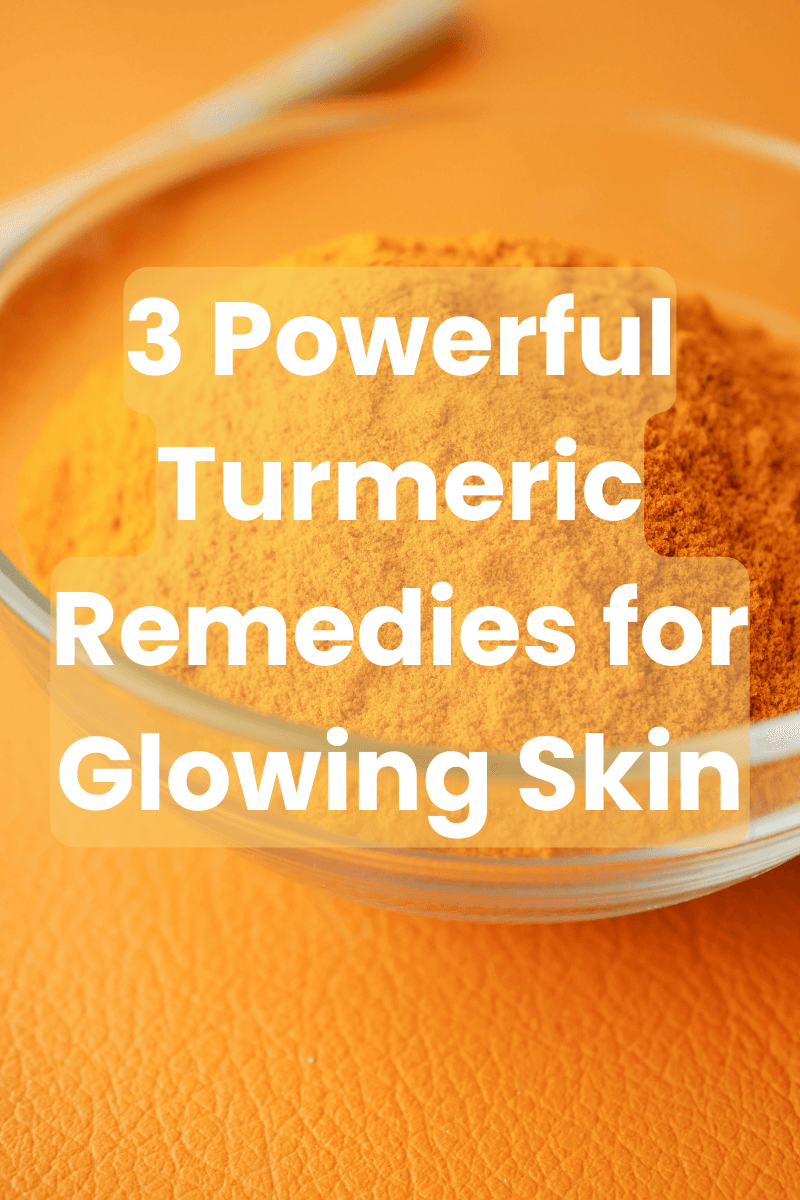
From Your Spice Rack to Skincare Gold
When you spot that warm golden hue on your kitchen shelf—yes, we’re talking about turmeric—you might immediately think of sambar, curries, or festive preparations. But turmeric, or Manjal in Tamil, isn’t just a cooking essential. It’s a multitasking miracle for your skin.
Used for centuries in Indian households, this humble root has now taken center stage in global skincare trends. But what makes turmeric so special? And how can you safely unlock the turmeric benefits for skin at home?
Let’s dive into its ancient roots, science-backed benefits, proper usage methods, and easy DIY recipes you can whip up right from your pantry.
The Ancient Skin Elixir with Modern Backing
Turmeric (Curcuma longa) is not just a spice—it is a sacred herb that has been celebrated in Ayurveda, Siddha, and traditional medicine for more than 4,000 years. In ancient Tamil households, turmeric carried deep cultural and spiritual meaning. It was used to purify the body before rituals, applied to newborns to protect their delicate skin, and offered to deities as a symbol of prosperity and divine energy. Brides still wear turmeric paste before weddings to enhance glow, protect from infections, and bless the union with fertility and good health.
Beyond its cultural significance, turmeric was always valued for its healing touch. Its golden pigment, curcumin, was believed to fight infections, reduce swelling, and keep the skin radiant. Generations of women relied on simple turmeric pastes for everything from acne and pigmentation to improving overall complexion.
What’s fascinating is that modern science now validates these age-old beliefs. Dermatological studies show that turmeric is:
- Anti-inflammatory: Helps calm redness, swelling, and irritation caused by acne or eczema.
- Antibacterial: Naturally combats acne-causing bacteria like Propionibacterium acnes.
- Antioxidant-rich: Protects against free radical damage that leads to premature aging, fine lines, and dullness.
- Wound-healing: Speeds up skin repair and regeneration.
In short, turmeric is the perfect bridge between tradition and modern dermatology—a timeless beauty ritual backed by scientific evidence.
Why Turmeric Deserves a Spot in Your Skincare Routine
Turmeric isn’t just a colorful spice—it’s a skincare savior. The real magic lies in curcumin, its active compound, which has been scientifically proven to offer a range of healing and protective benefits for your skin.
Let’s explore the top turmeric benefits for skin that make it an essential part of any natural beauty ritual:
1. Brightens Dull, Tired Skin
If your skin is looking lifeless, patchy, or simply lacks that lit-from-within glow, turmeric could be the revival agent you need.
Curcumin boosts blood circulation to the skin’s surface and combats oxidative stress caused by free radicals, pollution, and UV exposure. This not only rejuvenates the skin but also improves overall skin tone and texture. The result? A visibly more radiant complexion that looks fresh, healthy, and vibrant—without needing makeup.
Tip: Mix turmeric with besan (gram flour) and rose water for a weekly glow pack.
2. Fights Acne, Redness, and Inflammation
Among the most well-known turmeric benefits for skin is its ability to fight acne from the root. Curcumin’s antimicrobial properties kill acne-causing bacteria like P. acnes, while its anti-inflammatory action reduces swelling and calms angry breakouts.
Whether you’re dealing with occasional pimples or more stubborn cystic acne, turmeric can provide gentle yet effective relief—without drying out or irritating your skin like chemical treatments often do.
Tip: Dab a turmeric and aloe vera paste directly on active pimples for quick relief.
3. Fades Hyperpigmentation, Spots, and Scars
Struggling with dark spots, leftover acne marks, or uneven patches? Turmeric is your new best friend. Its natural skin-lightening abilities help break down excess melanin, the pigment responsible for discoloration.
Over time, consistent use of turmeric can visibly fade pigmentation, reduce sun spots, and even out blotchy skin. This makes it a great alternative to chemical peels or bleaching creams that can be harsh or damaging.
Tip: Use turmeric with raw milk or yogurt to create a mild pigmentation-reducing cleanser.
4. Soothes Eczema, Psoriasis & Irritated Skin
For those dealing with chronic skin conditions like eczema, psoriasis, or rosacea, turmeric offers a gentle, non-steroidal alternative. It calms itching, flakiness, redness, and burning sensations, thanks to its natural anti-inflammatory effects.
Curcumin reduces the skin’s immune response to triggers, preventing flare-ups and promoting faster healing without harsh side effects. This makes it suitable for children and adults alike with sensitive or reactive skin.
Note: Always mix turmeric with a deeply hydrating base like aloe vera gel or coconut oil when treating sensitive conditions.
5. Prevents Premature Aging & Wrinkles
Fine lines, crow’s feet, and dull, sagging skin—these are all signs of premature aging, often triggered by environmental damage and stress. Turmeric, being rich in antioxidants, works like a protective shield.
It neutralizes free radicals, boosts collagen production, and supports skin elasticity. Over time, this helps maintain a youthful texture, reduces wrinkles, and delays the appearance of age spots and dullness.
Tip: Mix turmeric with curd and a few drops of vitamin E oil for a natural anti-aging face mask.
Looking for face masks ? Don’t miss: 5 Glowing Skin Face Masks You Can Make at Home
Turmeric’s Power
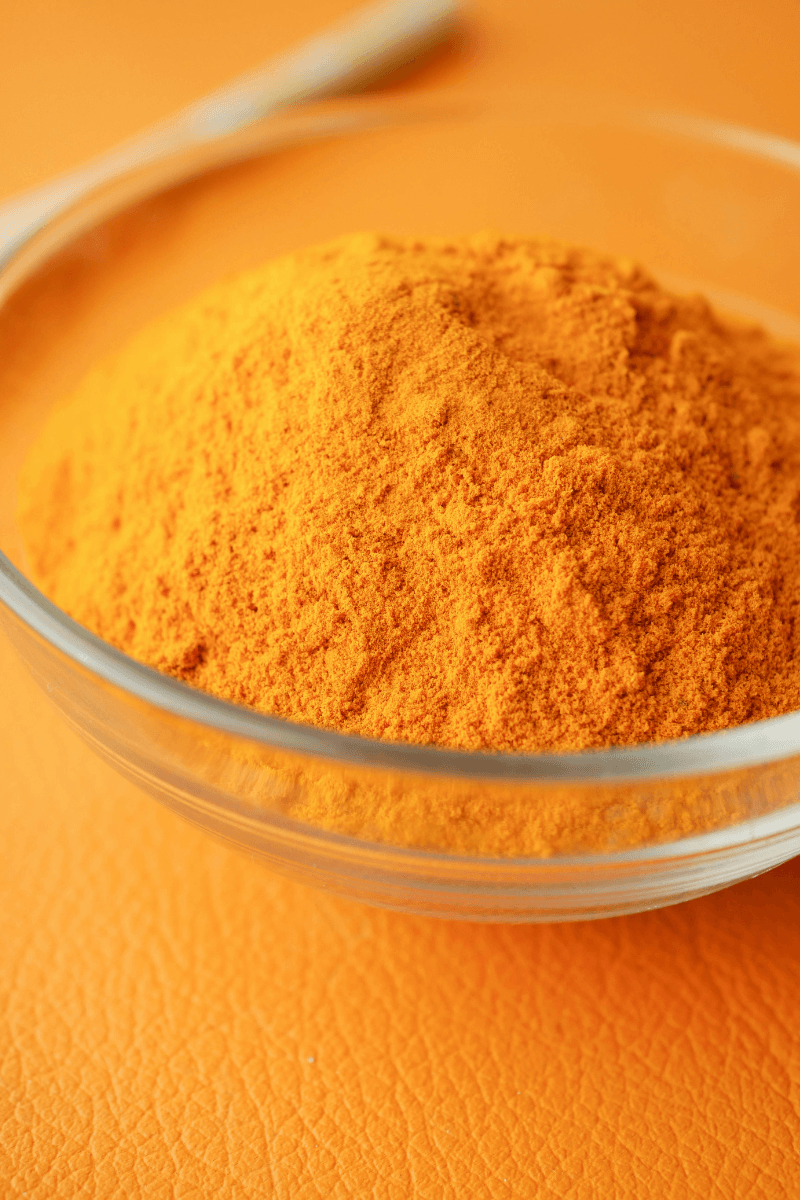
These powerful turmeric benefits for skin aren’t just marketing claims—they’re backed by centuries of traditional wisdom and modern science. Whether you’re looking for a glow-up, fighting acne, or healing sensitive skin, turmeric has something to offer every skin type.
It’s time to treat your skin with the same care you treat your meals—pure, natural, and full of goodness.
How to Use Turmeric Safely for Skin
Despite its benefits, turmeric must be used correctly to avoid issues like staining, dryness, or sensitivity. Here’s how to use it safely:
- Always mix with a carrier base like curd, honey, rose water, or aloe vera.
- Limit usage to ¼–½ tsp per mask.
- Always do a patch test before full-face application.
- Choose Kasturi Manjal (Wild Turmeric) for topical use—it offers all benefits without staining your skin yellow.
3 Easy DIYs to Reap Turmeric Benefits for Skin
Simple Recipes Straight From Your Kitchen Shelf
Now that you know why turmeric deserves a spot in your skincare routine, let’s get hands-on. These three DIYs are quick to make, beginner-friendly, and designed to target specific skin concerns—all while celebrating the powerful turmeric benefits for skin.
1. Glow-Boosting Turmeric Face Pack
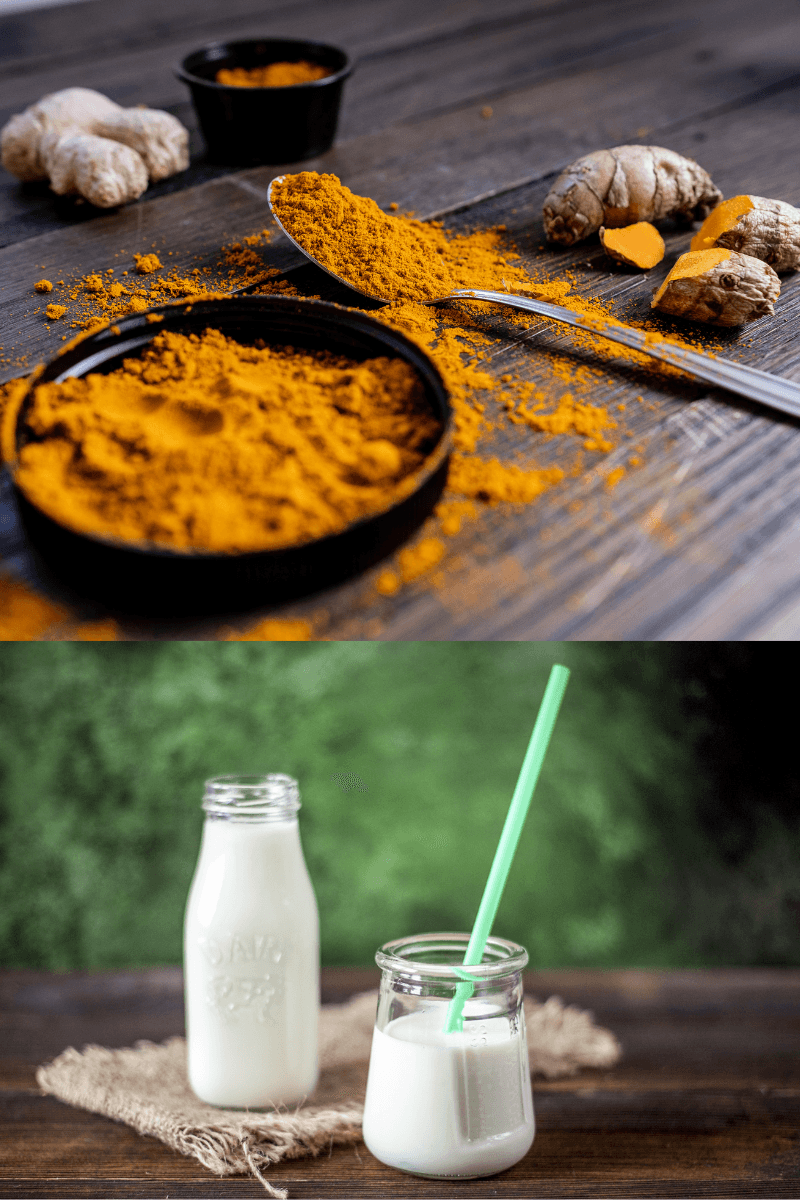
Best For: Dull, tired, and uneven skin tone
Skin Goal: Instant radiance and improved blood flow
Ingredients:
- ½ teaspoon turmeric powder
- 1 tablespoon gram flour (besan)
- 1 teaspoon raw honey
- Rose water or raw milk (enough to make a paste)
How to Use:
- In a small bowl, mix turmeric and besan first.
- Add honey and gradually pour rose water or milk to create a smooth, spreadable paste.
- Apply an even layer over your clean face and neck.
- Leave it on for 15 minutes or until semi-dry.
- Rinse off with lukewarm water using circular motions to gently exfoliate.
Why It Works:
This classic Indian face pack harnesses turmeric’s antioxidant magic with the exfoliating power of gram flour and hydrating sweetness of honey. The result? A soft, glowing complexion that feels fresh and revived.
Pro Tip: Use Kasturi Manjal (Wild Turmeric) to avoid staining and maximize benefits.
Also Read : Skin Face Masks
Turmeric’s acne-fighting and skin-brightening potential is backed by research. According to the Dermatology.org.uk – Turmeric Benefits for Skin, it helps combat acne-causing bacteria, reduces dark spots, and enhances natural radiance.
2. Turmeric Spot Treatment for Pimples
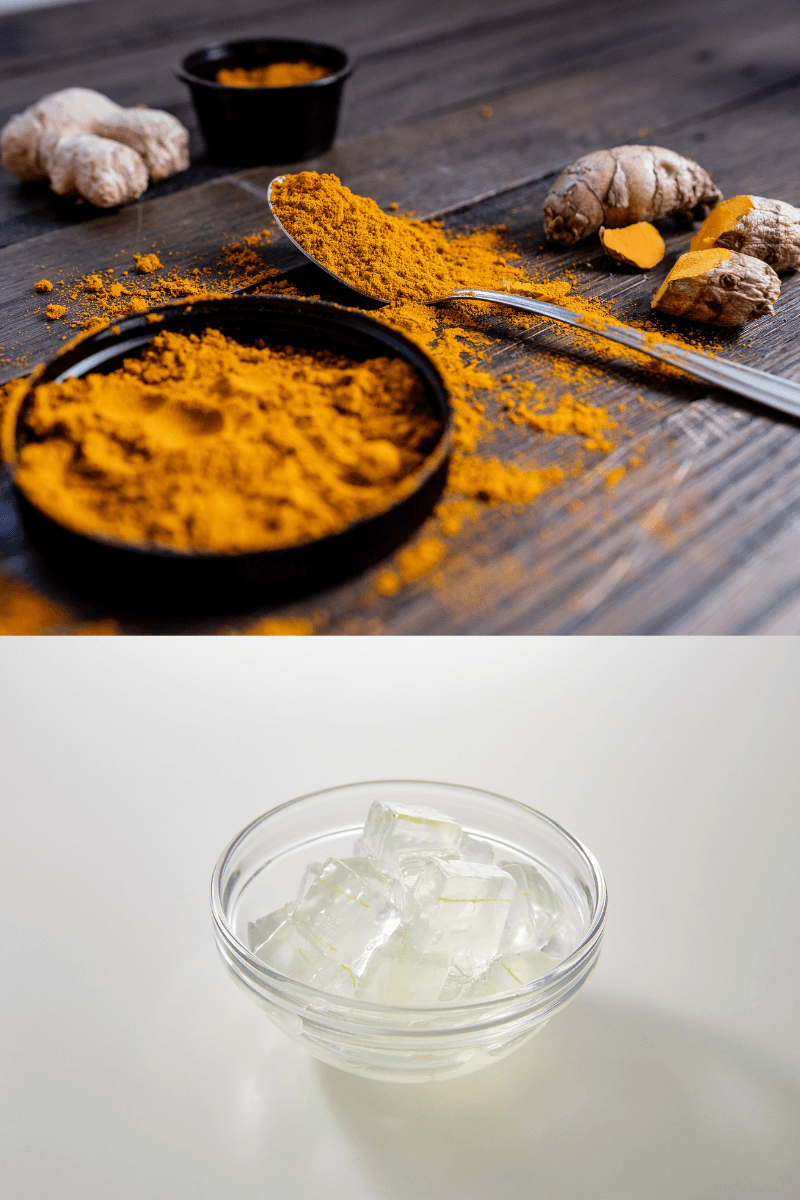
Best For: Active acne, red bumps, whiteheads, and minor skin irritation
Skin Goal: Reduce inflammation, shrink pimples, and kill bacteria
Ingredients:
- ¼ teaspoon turmeric
- 1 teaspoon pure aloe vera gel
- 1–2 drops of tea tree essential oil (optional but powerful)
How to Use:
- Mix turmeric and aloe vera gel into a smooth gel-like blend.
- Add tea tree oil only if your skin tolerates essential oils well.
- Dab the mixture directly onto clean, active pimples or inflamed spots using a clean fingertip or cotton swab.
- Let it sit for 30 minutes—or leave it overnight for intense healing.
- Wash gently with cool water and pat dry.
Why It Works:
This targeted spot treatment fights acne from two sides—turmeric reduces swelling and redness, while aloe soothes and heals. Tea tree oil adds antibacterial strength without overdrying the skin.
Caution: Always patch test tea tree oil before use if you’ve never used it on your skin..
Related post: 9 DIY Remedies for Acne-Prone Skin Using Kitchen Ingredient
3. Pigmentation-Reducing Turmeric Milk Cleanser
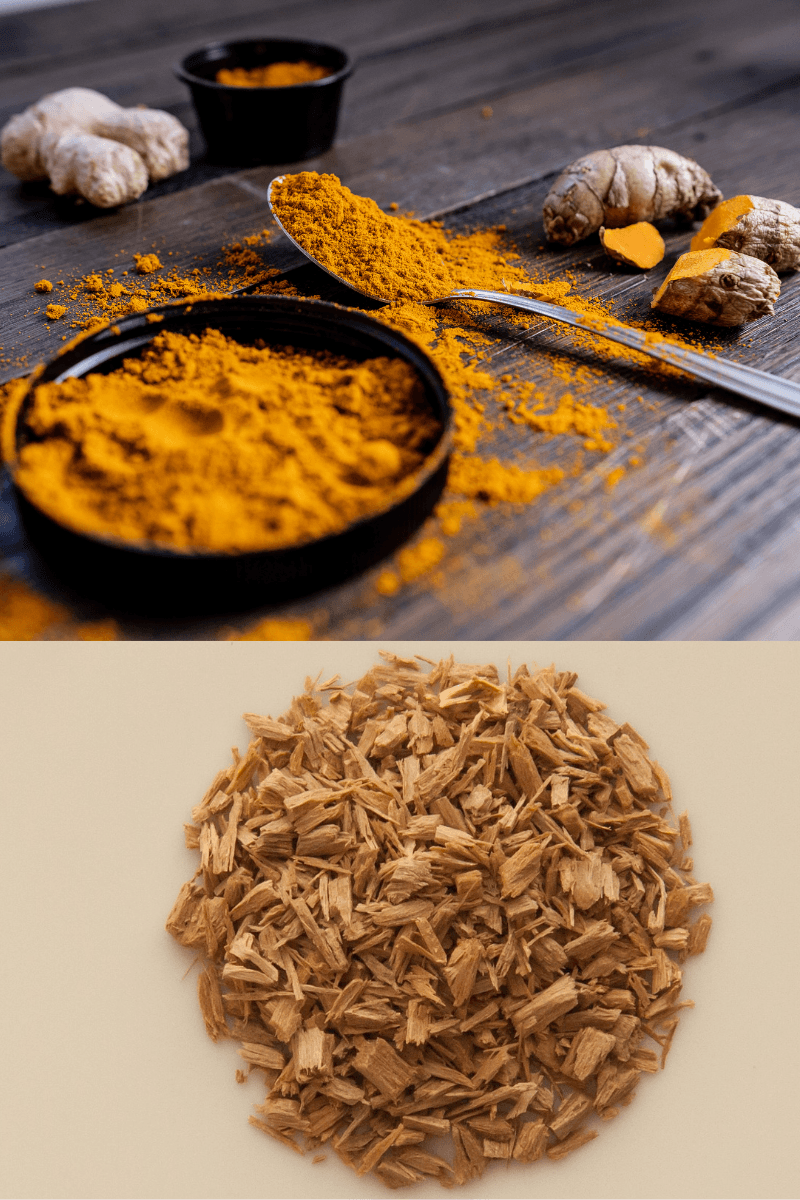
Best For: Sun spots, acne scars, dark patches, and uneven skin tone
Skin Goal: Brighten complexion and fade discoloration over time
Ingredients:
- ½ teaspoon turmeric
- 2 tablespoons raw milk (cold or room temperature)
- A pinch of sandalwood powder (optional for calming and cooling effect)
How to Use:
- Stir turmeric and milk together until well blended.
- If using sandalwood powder, add a small pinch and stir again.
- Dip a clean cotton ball or pad into the mix.
- Gently swipe across your face and neck, focusing on areas with pigmentation or dullness.
- Leave it on for 5–10 minutes.
- Rinse off with cool water and pat dry.
Why It Works:
This gentle cleanser taps into turmeric benefits for skin by lightening hyperpigmentation while milk acts as a natural lactic acid exfoliant. It’s perfect for daily or alternate-day use and especially effective for sensitive skin types.
Storage Tip: Prepare this fresh each time; don’t store it for later use.
Read also : Seasonal skincare
Real People, Real Results
“My first attempt with turmeric left my face stained for two days!” says Sahana from Chennai.
“But once I switched to Kasturi Manjal and mixed it with curd and rose water, I saw amazing changes—my acne reduced, and my skin started glowing. It’s now my go-to weekly ritual.”
Looking for more natural care? Explore our Skin Concerns, Seasonal Skincare, Face Care DIYs and Body Care DIYS collections.
Watch Out! Potential Side Effects & Safety Tips
Even natural ingredients need caution. Here are a few things to be aware of:
Yellow Stains
- Use wild turmeric for less staining.
- To remove stains: Wipe gently with milk or coconut oil.
Allergies
- Patch test first. If you notice redness, itching, or bumps—avoid use.
Sun Sensitivity
- Turmeric may make your skin more sun-sensitive. Always wear sunscreen the next morning if you’ve used turmeric the night before.
Read : 5 Game-Changing DIYs That Reinvent Your Monsoon Skincare Routine
Storage Tips for Turmeric in Skincare
Turmeric is powerful, but like all natural ingredients, its potency depends on how well you store it. To keep its skin-healing properties intact:
- Keep it cool and dry: Store turmeric away from direct sunlight, heat, and humidity, as these can weaken its active compound, curcumin. A kitchen shelf or cabinet away from the stove is ideal.
- Use airtight containers: Glass jars with tight-fitting lids work best, as they prevent air and moisture from getting in. This also helps preserve the vibrant color and fragrance of turmeric.
- Avoid plastic storage: Plastic can sometimes react with turmeric and stain, while glass maintains purity and prevents contamination.
- Choose the right quality: Always opt for organic, chemical-free turmeric. If possible, look for turmeric labeled as cosmetic-grade, which is specially processed for safe use on skin.
- Check freshness: Replace turmeric if it loses its deep golden color or earthy aroma—these are signs that its potency has reduced.
Healing from Your Kitchen Shelf – The Skin Pantry Belief
At Skin Pantry, we believe that the best skincare doesn’t come in expensive jars—it comes from your own kitchen shelf. The ingredients your body already knows and trusts—like turmeric—are often the safest and most effective for long-term skin health.
Turmeric is more than just a spice; it’s a skin superfood that has been used for centuries in traditional beauty rituals. By keeping it as a staple in your routine, you’re not just treating surface-level issues—you’re embracing a holistic approach that nurtures your skin from the inside out.
Every spoonful of turmeric is a reminder that skincare can be simple, natural, and deeply nourishing. Instead of harsh chemicals, you choose purity; instead of temporary results, you choose lasting wellness. That’s the essence of Skin Pantry’s belief: beauty rooted in tradition, guided by nature, and sustained by mindful choices.
Frequently Asked Questions (FAQs)
Q1. Can turmeric be used on all skin types?
Yes, but sensitive or very dry skin should mix it with hydrating bases like yogurt or aloe vera. Always patch test first.
Q2. How often should I use turmeric on my face?
2–3 times a week is ideal. Overuse can cause dryness or yellow tinting.
Q3. What’s the difference between kitchen turmeric and wild turmeric?
Kitchen turmeric may stain and can sometimes contain food-grade additives. Wild turmeric (Kasturi Manjal) is gentler, less staining, and meant for cosmetic use.
Q4. Can turmeric help reduce facial hair?
When used consistently with ingredients like besan and milk, it may slightly reduce fine facial hair over time, though results vary.
Q5. Can I apply turmeric daily?
No. Overuse can dry out your skin or increase sun sensitivity. Stick to 2–3 times a week.
Modern research also supports these age-old remedies. A PubMed systematic review highlights turmeric’s proven effects on conditions like acne, hyperpigmentation, and premature aging.
Should You Try Turmeric on Your Skin?
Absolutely—when used with intention. The turmeric benefits for skin range from reducing acne to brightening complexion, fading spots, and even delaying aging. It’s a natural multitasker trusted by our grandmothers and now embraced by modern skincare lovers.
Next time you reach for chemical-laden face packs, remember: your kitchen shelf already holds something powerful, pure, and perfect for your skin.
Ready to Glow?
Let your skin soak in turmeric’s natural magic. Try one of the DIYs above and tag us in your glowing selfies!
Stay golden, stay glowing—with Skin Pantry.
Disclaimer:
The information provided on skincaresolutions.in is for informational purposes only and reflects personal/home remedies that are commonly used in skincare. It should not replace professional advice. Please do a patch test before trying any new ingredient. If you have sensitive skin, allergies, or medical conditions, consult a dermatologist before use.