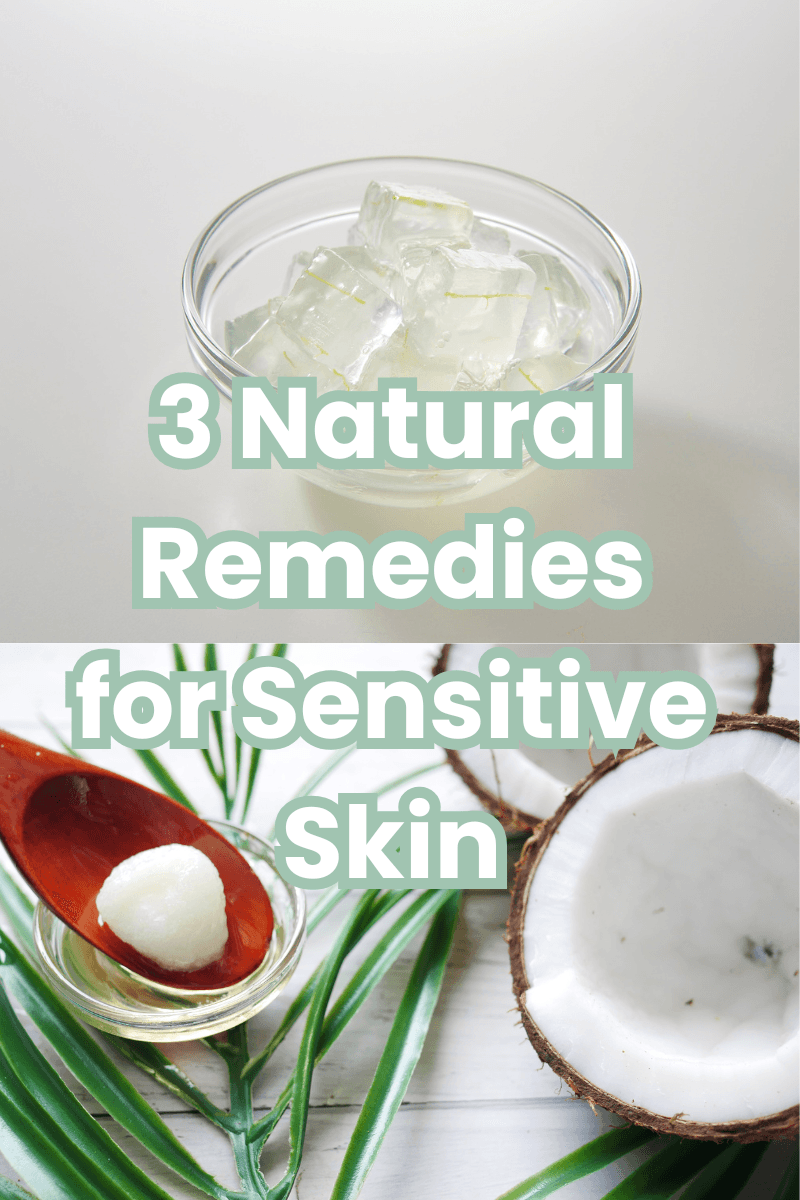
Home remedies for sensitive skin are more than just a natural trend—they’re a gentle rebellion against overwhelming products, synthetic ingredients, and harsh skincare routines. For anyone whose skin feels like it’s always on edge—stinging after a face wash, turning red under the sun, or reacting badly to makeup—this is your safe space.
Sensitive skin isn’t just a type. It’s a story. A daily dance of caution, trial, and error. And if that sounds like your journey, the solution might be hiding in your kitchen cabinet rather than your vanity shelf.
This article walks you through an effective DIY skincare routine that’s comforting, calming, and completely natural—designed with sensitive skin in mind.
What Does “Sensitive Skin” Really Mean?
Before we look at home remedies for sensitive skin, let’s understand what your skin is trying to tell you.
Sensitive skin is often misunderstood. It doesn’t just mean your skin feels dry or breaks out easily. It means your skin’s barrier function—its natural defense system—is compromised. That makes it vulnerable to everyday irritants, from dust and heat to skincare ingredients and even emotional stress.
Common symptoms include:
- Sudden redness or flushing
- Burning or stinging sensation after applying products
- Tightness, itching, or dry patches
- Small bumps or visible irritation
- Reacting to fragrance, sulfates, or exfoliants
Sensitive skin can be genetic or acquired through overuse of harsh products or sun damage.
Why Skin Suffers in Winter – Learn how cold weather worsens skin sensitivity
Why Home Remedies Make a Big Difference
When you walk through the skincare aisle, you’ll see shelves full of products labeled “for sensitive skin”, “hypoallergenic,” or “gentle.” It sounds reassuring—but here’s the uncomfortable truth: those labels are not always regulated, and the ingredients inside can still cause flare-ups.
Many commercial products—even the ones marketed for sensitive skin—often contain:
- Artificial fragrances that trigger redness or itching
- Parabens and preservatives that disrupt your skin barrier
- Alcohol-based agents that strip away natural moisture
- Sulfates or foaming agents that damage skin over time
So, while the bottle might say “calming,” your skin might be silently screaming underneath.
That’s where home remedies for sensitive skin come in—not just as a trend, but as a thoughtful, empowered choice.
You Know What You’re Putting On Your Skin
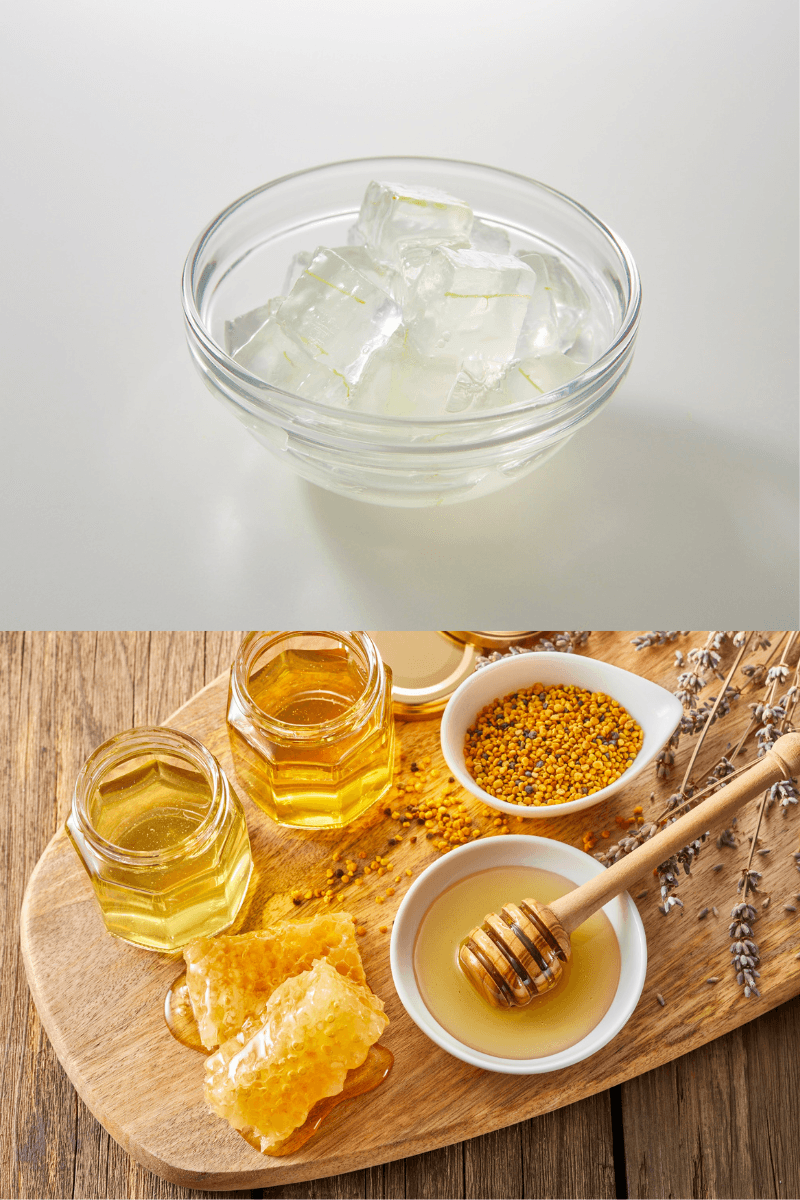
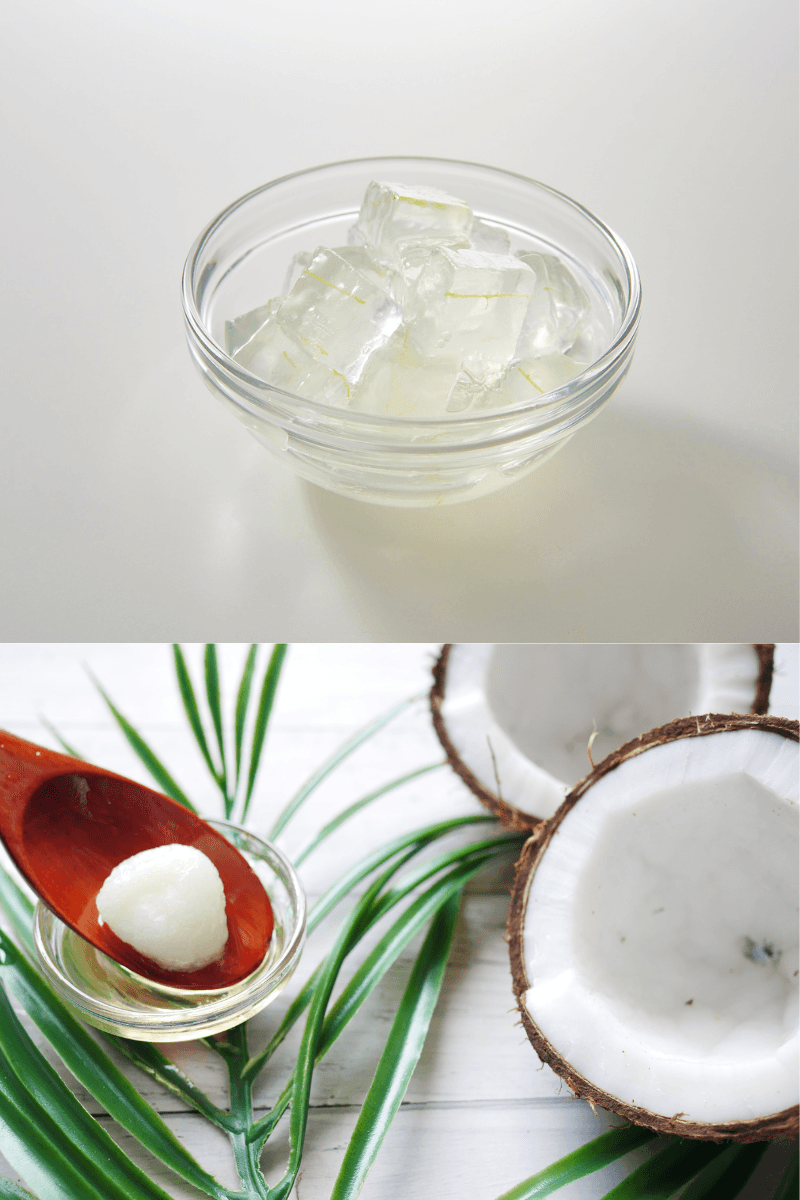
One of the biggest advantages of DIY skincare? Transparency. You’re not guessing what’s hidden behind fancy ingredient names or long chemical lists. You’re working with simple, real, recognizable ingredients—curd, oats, aloe vera, rose water, coconut oil—things you can pronounce, source, and trust.
This level of control is everything when you have reactive skin.
Real Benefits of Going Natural
Here’s what makes home remedies for sensitive skin so transformative:
- They reduce inflammation — Ingredients like oatmeal, aloe vera, and calendula work as natural anti-inflammatories, calming redness and irritation without side effects.
- They strengthen your skin barrier — DIYs often focus on barrier-repairing fats and vitamins, helping your skin defend itself from pollution, weather changes, and harsh chemicals.
- They deeply hydrate — Natural oils, curd, and rose water keep moisture locked in without clogging pores or triggering breakouts.
- They support long-term healing — Unlike quick-fix serums, DIYs promote lasting calm, making your skin less reactive over time.
- They’re cost-effective — Most ingredients used in home remedies are already in your kitchen, making it a budget-friendly alternative to expensive creams and serums.
And let’s not forget—there’s something emotionally healing about slowing down, creating your own blend, and reconnecting with your skin in an intentional way.
Fragrance-Free Gentle Cleanser – For days when you need a quick option without triggering your skin.
A 3-Step Calming DIY Skincare Routine That Actually Works
Sensitive skin thrives on consistency and care. This simple, soothing routine is crafted to reduce inflammation, restore hydration, and build resilience over time. Think of it as a mini healing ritual—morning or night—using ingredients your skin already trusts. No harsh chemicals, no guesswork, just comfort.
All three steps are gentle, effective, and deeply skin-safe—making it one of the most reliable home remedies for sensitive skin you can follow.
Step 1: Cleanse with Curd and Oatmeal
Why it works:
This is not your typical face wash. It’s a calm beginning to your skincare day—one that respects your skin’s need for gentleness.
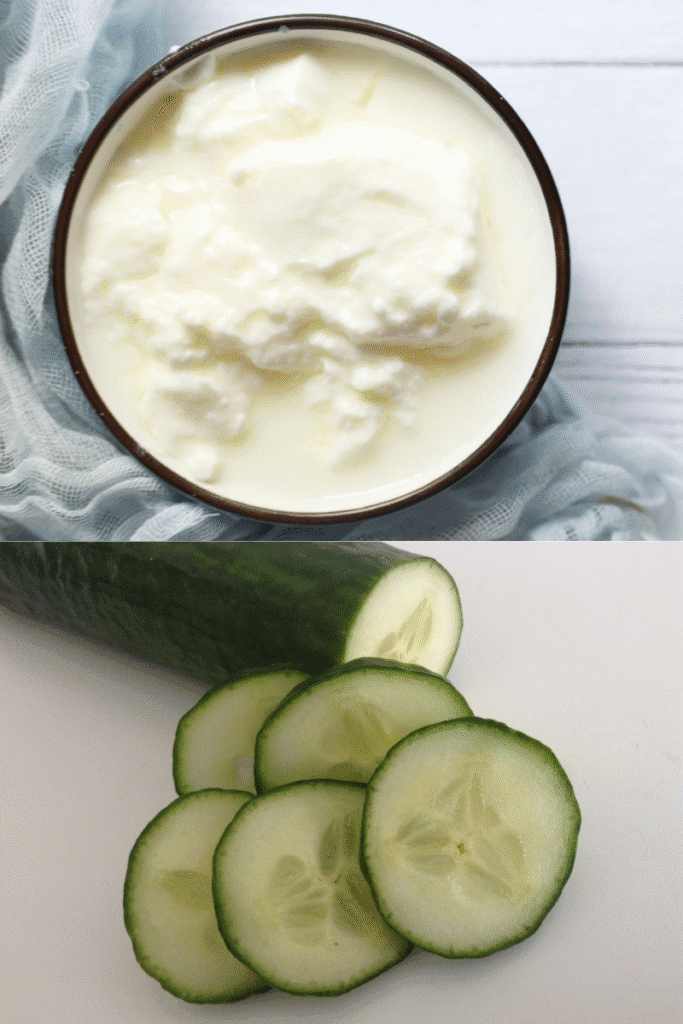
- Oatmeal is rich in beta-glucan and avenanthramides, compounds that soothe inflamed, itchy, or red skin. It also forms a thin protective film that helps retain moisture and keeps irritants out.
- Curd (plain yogurt) is packed with probiotics and natural lactic acid. It hydrates while gently exfoliating without causing microtears or sensitivity like scrubs do.
What you’ll need:
- 1 tablespoon finely ground oats (colloidal oats work best)
- 1 tablespoon plain curd (unsweetened and preferably homemade or organic)
How to use:
In a clean bowl, mix the oats and curd until they form a creamy paste. Gently massage this paste onto your face using slow, upward circular motions—treating your skin like silk. Let it sit for 1–2 minutes to allow the nutrients to soak in. Rinse off with cool or lukewarm water—never hot, as heat can trigger flare-ups.
Use this cleanser 3–4 times a week in place of store-bought face washes.
Organic Oat Powder for Skin
Probiotic Rich Natural Yogurt
In the world of home remedies for sensitive skin, this cleanser is a soothing first step that cleans without stripping, and calms without fuss.
Step 2: Soothe with Aloe-Rose Mist
Why it works:
This DIY mist is like a breath of fresh air for your skin—especially after cleansing or on days when your skin feels reactive.
- Aloe vera delivers instant hydration, reduces redness, and helps repair a damaged skin barrier.
- Rose water has a mild astringent property that tones and balances pH while calming inflammation.
- Cucumber juice (optional) adds an extra cooling effect and is especially great for hot, humid days or post-sun exposure.
What you’ll need:
- 2 tablespoons fresh aloe vera gel (scraped from the leaf, or use 100% pure bottled gel)
- 3 tablespoons rose water (pure and preservative-free)
- 1 teaspoon cucumber juice (optional but refreshing)
How to use:
Blend the ingredients and strain the mix through a muslin cloth to ensure a fine, smooth consistency. Pour into a small spray bottle. Spritz it across your face after cleansing, before moisturizing, or anytime your skin feels flushed or sensitive.
Store in the refrigerator for up to 7 days. Shake before each use.
Pure Rose Water Spray
Organic Aloe Vera Gel
Few home remedies for sensitive skin offer this level of instant calm and hydration—this mist is one to keep by your side all day long.
Step 3: Moisturize with Coconut & Calendula Balm
Why it works:
Sensitive skin needs a sealant that doesn’t just sit on the surface but nourishes from within. This calming balm does exactly that.
- Virgin coconut oil is rich in lauric acid and medium-chain fatty acids that mimic your skin’s natural lipids, helping repair and protect.
- Calendula (also known as marigold) is famed for its healing properties. It reduces redness, accelerates skin repair, and soothes dry, irritated patches.
What you’ll need:
- 2 tablespoons cold-pressed virgin coconut oil
- 1 tablespoon dried calendula petals (or calendula-infused oil)
How to use:
Gently warm the coconut oil on a low flame or in a double boiler. Add calendula petals and allow them to steep for 15–20 minutes on very low heat. Strain and transfer to a glass container. Let it solidify. Use a pea-sized amount every night after cleansing and misting.
Works beautifully as a lip balm, cuticle treatment, or spot soother too.
Cold-Pressed Virgin Coconut Oil
Calendula Healing Oil
Moisturizing is the cornerstone of home remedies for sensitive skin, and this balm locks in all the goodness without clogging or irritating.
Pro Tip: Don’t Rush the Results
When it comes to sensitive skin, slow is smooth and smooth is fast. This routine isn’t about overnight miracles—it’s about long-term resilience, comfort, and glow. Stick with it, and your skin will start to feel less reactive, more nourished, and deeply at peace.
Bonus Tips to Support Your Sensitive Skin
Taking care of sensitive skin goes beyond applying face masks or remedies. The little things you do every day have a big impact on how calm, clear, and comfortable your skin feels. Here are some dermatologist-approved tips and natural solutions to protect your delicate skin barrier:
- Choose Lukewarm Water, Not Hot
Hot water strips away natural oils, leaving skin dry, tight, and irritated. Always wash your face and body with lukewarm water to keep your skin barrier intact. This small change can significantly reduce flare-ups. - Patch Test Every New Ingredient
Even natural remedies can cause reactions if your skin is highly sensitive. Before trying a new DIY mask, serum, or essential oil, apply it on your inner wrist or behind the ear. Wait 24 hours to check for redness, itching, or burning. - Say No to Synthetic Fragrances
Artificial fragrance in lotions, soaps, shampoos, and deodorants is one of the most common triggers for irritation. Opt for fragrance-free or naturally scented products with ingredients like rose water or chamomile instead. - Protect with a Mineral Sunscreen
Sunscreen is non-negotiable—even for sensitive skin. But chemical sunscreens can sting or cause breakouts. Instead, go for mineral-based sunscreens with zinc oxide or titanium dioxide. These sit on top of the skin, reflect UV rays, and are less likely to cause reactions. - Hydrate from the Inside Out
Drinking enough water throughout the day supports skin hydration and helps reduce dryness and redness. You can also add hydrating foods like cucumber, watermelon, and chia seeds to your diet. - DIY Natural Deodorant (Fragrance-Free)
Store-bought deodorants often contain aluminum, alcohol, and strong fragrances that can irritate sensitive underarm skin. Try a gentle DIY recipe:- 2 tbsp arrowroot powder
- 2 tbsp coconut oil
- 1 tbsp shea butter
Melt and mix, then store in a clean jar. This nourishes your skin while keeping odor away—without harsh chemicals.
- Simple, Gentle Skincare Wins
Sensitive skin thrives on a “less is more” approach. Stick to a few calming products, avoid over-exfoliation, and let your skin breathe. Consistency is more important than using too many treatments at once.
Our Picks: Sensitive-Skin Friendly Must-Haves

Want to try the ingredients mentioned above without the guesswork? Here are our favorite skin-soothing picks to support your new routine:
- Organic Oat Powder – gentle and anti-inflammatory.
- Probiotic Curd – perfect for sensitive exfoliation.
- Rose Water Spray – naturally balances and tones.
- Fresh Aloe Vera Gel – ideal for daily hydration.
- Virgin Coconut Oil – deep nourishment for all skin types.
- Calendula Oil – fast-acting healing for irritation.
- Mineral-Based Sunscreen – broad-spectrum, zero sting.
Each product complements the home remedies for sensitive skin covered here—naturally effective and gentle by design.
Remedies with Science + Application Tips
1. Oatmeal Mask
Oats contain special compounds called avenanthramides, known for their anti-inflammatory properties. These help calm redness, soothe itching, and protect the skin barrier. To make the mask, mix finely ground oats with water or plain yogurt to form a paste. Apply a thin layer to your face, leave it on for 15 minutes, and rinse gently with lukewarm water.
2. Aloe Vera Gel
Aloe vera is rich in polysaccharides that repair the skin barrier, deeply hydrate, and promote healing. It is particularly effective for calming irritation after sun exposure. To use, scoop out fresh aloe gel and apply directly to clean skin. Leave it for 10–15 minutes before washing off. Tip: Always patch-test first as rare allergies may occur.
3. Chamomile Compress
Chamomile tea is full of flavonoids and antioxidants that naturally soothe sensitive skin. Brew chamomile tea, let it cool, and chill the bags in the refrigerator. Place them gently on affected areas for 5–10 minutes. This simple remedy helps calm irritation and reduce redness quickly.
A gentle way to soothe sensitive skin is with a colloidal oatmeal bath—it forms a calming barrier, reduces inflammation, and protects the skin from dryness and irritation. (Verywell Health – Colloidal Oatmeal Supports Healthy Skin)
Add Extra Care Tips for Sensitive Skin
- Always Patch Test: Try new products on a small area first.
- Avoid Fragrance & Alcohol: These can irritate sensitive skin.
- Use Lukewarm Water: Hot water strips natural oils and worsens sensitivity.
- Choose Minimal Ingredients: Fewer ingredients mean fewer chances of irritation.
- Follow the “Less is More” Rule: Don’t overload with multiple products.
Frequently Asked Questions (FAQs)
Q1: Can home remedies for sensitive skin cause reactions too?
Yes, even natural ingredients can trigger allergies. Always patch test on the inside of your wrist or behind the ear.
Q2: How soon will I see results from DIY remedies?
Some relief—like reduced redness—can be felt immediately. For deeper healing, give it 2–3 weeks of regular use.
Q3: Can I use this routine alongside dermatologist-prescribed products?
Yes, but keep it simple. For example, use the DIY mist between prescription cream applications. Always inform your doctor.
Q4: Is turmeric safe for sensitive skin?
Only when used in tiny amounts and always mixed with soothing bases like curd. Avoid raw turmeric paste.
3 Easy DIYs to Reap Turmeric’s Skin Benefits
Q5: I’m allergic to aloe vera—what can I use instead?
Try plain rose water or cucumber juice as a calming facial mist.
If you have oily and sensitive skin, this soothing Neem + clay face mask could be the gentle detox your skin needs.
Another effective natural remedy is making a chilled chamomile tea compress. Chamomile’s anti-inflammatory properties soothe redness and calm glowing, reactive skin. (RosyCheeked – Chamomile for Sensitive Skin)
Gentle is Powerful
Your skin doesn’t need punishment to look healthy. It needs understanding, patience, and care. These home remedies for sensitive skin offer a quiet, natural path to healing—free from the noise of synthetic trends.
Whether your skin has been through years of confusion or just started acting up recently, nature always provides a way back to balance.
Take that first step today. Let your skincare be a ritual of love, not stress. Your sensitive skin is strong—it just needs to be heard.
Disclaimer:
The information provided on skincaresolutions.in is for informational purposes only and reflects personal/home remedies that are commonly used in skincare. It should not replace professional advice. Please do a patch test before trying any new ingredient. If you have sensitive skin, allergies, or medical conditions, consult a dermatologist before use.