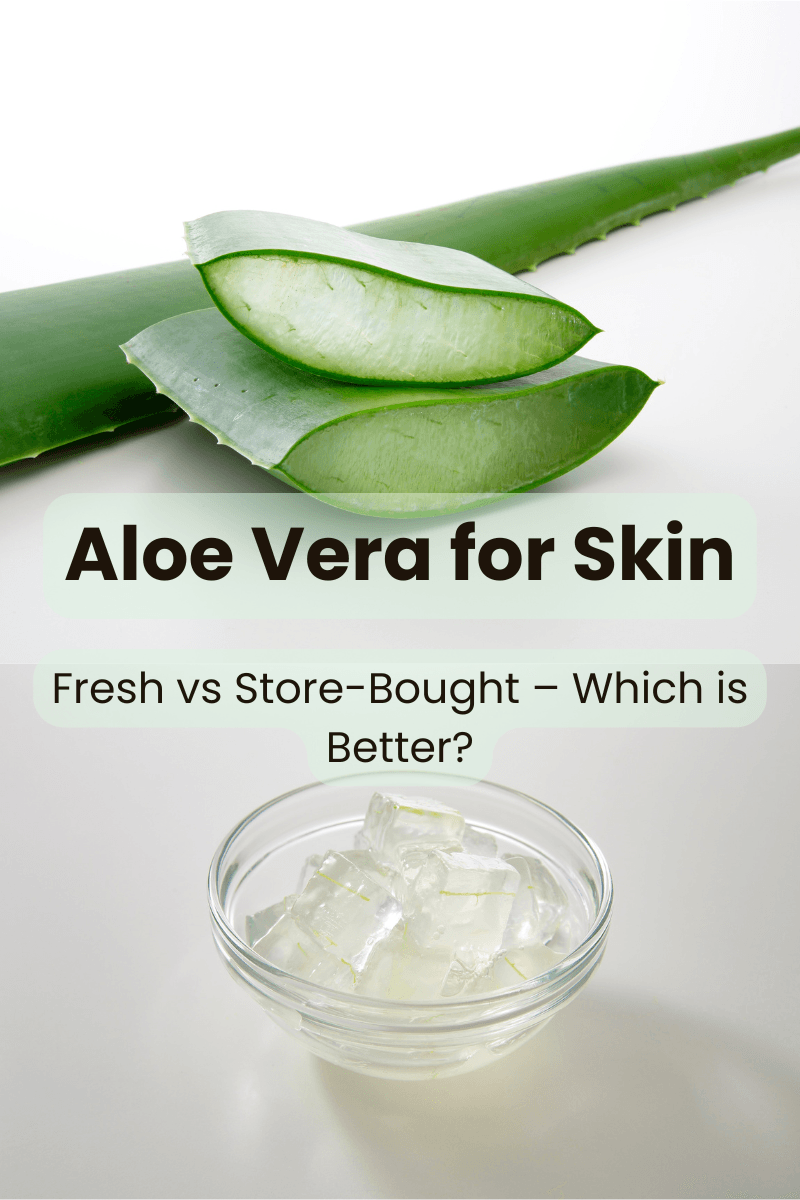
When it comes to natural skincare ingredients, aloe vera for skin stands out as a true multitasker. It hydrates, heals, cools, and calms—all in one scoop. From soothing sunburns to calming breakouts, aloe vera is a tried-and-true remedy trusted across cultures and generations.
But with so many options available today—fresh aloe leaves from your garden or store-bought gels in neat tubes—which form of aloe vera is better for your skin?
In this detailed guide, we’ll explore the benefits of aloe vera for skin, compare fresh vs store-bought gel, and help you choose the best version based on your skin type, lifestyle, and skincare goals. Plus, you’ll find an easy DIY aloe vera mist recipe and expert tips to make the most of this green gem.
Table of Contents
Why Aloe Vera for Skin Is a Timeless Remedy
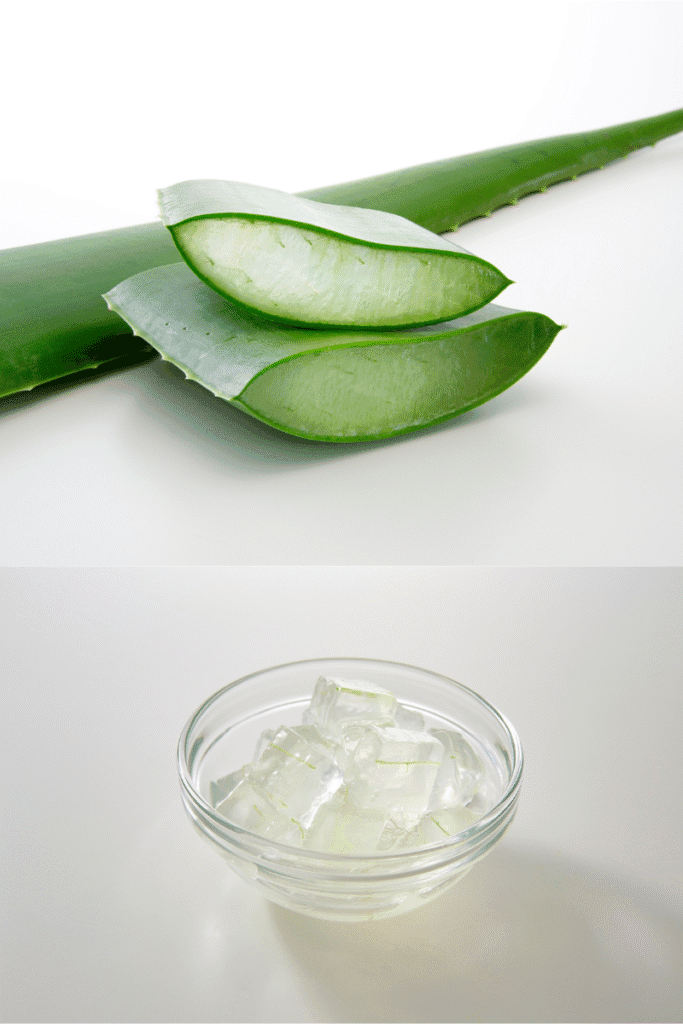
Before diving into whether fresh or store-bought aloe is better, it’s important to understand why aloe vera for skin has earned its reputation as a healing hero in skincare.
For centuries, this humble succulent has been more than just a decorative plant. It’s been a trusted botanical remedy in ancient healing systems like Ayurveda, Traditional Chinese Medicine, and even Egyptian beauty rituals—legend has it that Cleopatra herself used aloe gel as part of her daily skincare routine!
Today, aloe vera for skin is found in everything from drugstore moisturizers to high-end serums, sheet masks, after-sun lotions, and DIY recipes. And the reason is simple: it works.
Deep Dive Into the Benefits of Aloe Vera for Skin
Let’s take a closer look at what makes this spiky green plant a miracle worker for all skin types—whether dry, oily, combination, sensitive, or acne-prone.
1. Ultra-Hydrating — Without the Grease
Aloe vera gel is made up of 99.5% water, making it one of the most lightweight yet deeply hydrating ingredients in skincare. Unlike heavy creams or oils, aloe soaks into the skin almost instantly without leaving a sticky residue.
This makes aloe vera for skin ideal for:
- Dry skin that needs hydration without layers of product
- Oily or acne-prone skin that fears breakouts from rich moisturizers
- Post-cleansing routines to replenish skin’s moisture barrier
Fun Fact: Aloe gel’s mucilage structure helps lock in moisture on the skin’s surface, keeping it plump and dewy.
2. Naturally Anti-Inflammatory & Redness-Reducing
Aloe contains two powerhouse compounds: bradykinase (an enzyme that reduces inflammation) and salicylic acid (a gentle exfoliant). Together, they help reduce:
- Facial redness
- Puffiness and swelling
- Inflammatory acne
- Sunburn flare-ups
- Post-waxing or post-shaving irritation
If your skin is reactive or easily flushed, using aloe vera for skin inflammation provides a cooling, calming effect without the use of harsh chemicals.
3. Accelerates Wound Healing & Skin Repair
One of the most researched benefits of aloe vera is its ability to boost skin regeneration. It stimulates fibroblasts—the skin cells responsible for producing collagen and elastin.
This makes aloe vera for skin especially beneficial for:
- Healing minor cuts, burns, and scrapes
- Reducing the appearance of post-acne scars
- Soothing inflamed pimples or open blemishes
- Accelerating recovery after cosmetic treatments
Clinical Note: Studies show aloe can reduce the healing time of first- and second-degree burns by up to 9 days compared to traditional ointments.
4. Balances Sebum Production in Oily Skin
If you’ve been told oily skin doesn’t need hydration—think again! When skin is stripped of moisture, it often produces more oil to compensate.
That’s where aloe vera for oily skin comes in:
- It hydrates without clogging pores.
- It delivers water-based moisture, not heavy lipids.
- It has natural astringent properties to lightly tighten pores.
Regular use of aloe can help bring balance to overactive sebaceous glands and reduce greasy T-zones.
5. Packed with Skin-Loving Nutrients
Aloe vera is a nutritional powerhouse for the skin, containing over 75 active compounds, including:
- Vitamins A, C & E: Antioxidants that protect and repair the skin barrier
- Vitamin B12 and Folic Acid: Important for skin cell regeneration
- Enzymes: Help exfoliate dead cells and promote smoothness
- Minerals like Zinc, Magnesium, and Calcium: Support healing and pH balance
- Polysaccharides: Help retain moisture and stimulate skin recovery
The result? A brighter, smoother, and healthier-looking complexion with consistent use.
6. Safe for Most Skin Types, Even Sensitive
What sets aloe vera for skin apart is its versatility. Whether you’re dealing with:
- Flaky patches
- Inflamed breakouts
- Razor bumps
- Dehydrated dullness
- Uneven texture
Aloe can help restore calmness and clarity to your skin—gently, yet effectively. It’s also non-comedogenic, so it won’t clog pores or trigger breakouts when used alone.
Pro Tip: Always do a patch test with fresh aloe if you’re trying it for the first time, especially if you have plant sensitivities or known allergies.
Final Word on the Magic of Aloe Vera for Skin
With so many benefits packed into one plant, it’s easy to see why aloe vera remains a cornerstone of natural skincare. Whether you extract the gel directly from the leaf or reach for a high-quality packaged gel, aloe vera for skin offers a gentle, effective way to:
- Hydrate
- Heal
- Balance
- Nourish
It’s a rare skincare ingredient that suits both DIY enthusiasts and busy minimalists alike.in, it’s a universally beneficial ingredient. But how you use it—fresh or store-bought—makes a difference.
Benefits of Using Fresh Aloe Vera for Skin: Pure, Potent, and Preservative-Free
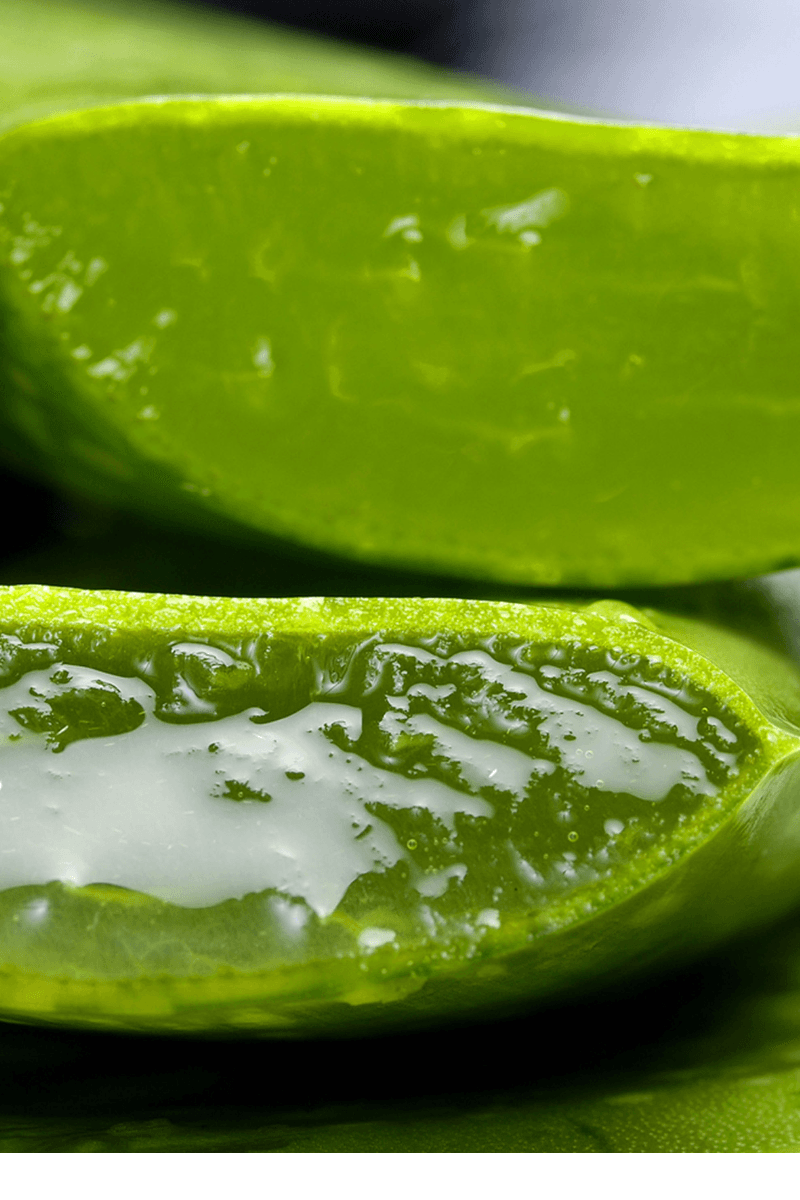
When it comes to natural skincare, few things feel as satisfying—or as effective—as scooping gel straight from a freshly cut aloe vera leaf. Using fresh aloe vera for skin means you’re giving your face and body direct access to nature’s unfiltered healing powers.
No additives.
No processing.
Just raw, plant-based nourishment.
Whether you grow aloe at home or purchase fresh leaves from the market, applying the gel directly from the plant offers a level of purity and potency that store-bought gels can’t always match.
Why Fresh Aloe Vera is So Effective for Skin:
Let’s look deeper at what makes fresh aloe vera gel such a skincare staple, especially for those who prefer chemical-free, holistic beauty.
100% Natural & Preservative-Free
Fresh aloe gel is untouched by commercial processing. There are:
- No preservatives
- No synthetic thickeners
- No artificial fragrance or colorants
This makes it an ideal choice for sensitive or reactive skin, as there are zero hidden irritants.
If you’re someone who follows a clean beauty philosophy or has experienced reactions from store-bought products, using fresh aloe vera for skin can bring peace of mind along with visible results.
Enzymes & Nutrients at Peak Potency
As soon as aloe leaves are cut, their active compounds begin to break down. That’s why freshly harvested aloe vera gel is at its most potent within the first few hours of extraction.
It contains:
- Active enzymes that assist in gentle exfoliation
- Lignin, which helps nutrients penetrate deeper into the skin
- Saponins, which have cleansing and antimicrobial properties
- Polysaccharides, which aid in hydration and repair
This rich cocktail of bioactives is best preserved when the gel is used straight from the plant—giving your skin the highest therapeutic value.
Calms and Soothes Highly Sensitive Skin
Because it’s free from synthetic additives, fresh aloe vera for skin is particularly gentle on inflamed or reactive skin conditions like:
- Eczema
- Rosacea
- Psoriasis
- Allergic reactions
- Acne-prone skin with redness
Its cooling texture immediately soothes irritation, while its anti-inflammatory compounds like bradykinase and C-glucosyl chromone help reduce swelling and discomfort naturally.
Note: Always patch-test, as unprocessed aloe still contains natural compounds that may cause mild reactions in rare cases.
No Risk of Clogged Pores or Residue
Unlike some commercial products that use gels, gums, or thickeners for consistency, fresh aloe vera gel is lightweight and water-based. It absorbs quickly, hydrates deeply, and never leaves behind a greasy film.
This makes it suitable for:
- Daily use, even in humid climates
- Layering under serums or moisturizers
- Mixing into homemade face packs or masks
It acts as a skin primer, a hydrator, and even a healing spot treatment—all without contributing to breakouts or oiliness.
Aloe vera is widely regarded for its ability to hydrate, soothe irritation, and support wound healing—making it a gentle yet effective skincare ingredient.
Drawbacks of Fresh Aloe Vera for Skin (and How to Work Around Them)
While fresh aloe is deeply beneficial, it does come with a few limitations—especially when it comes to convenience and shelf life.
Time-Consuming to Prepare
To extract aloe safely, you’ll need to:
- Cut and clean the leaf
- Drain the yellow latex (aloin)
- Peel the skin
- Scoop or scrape the gel
- Blend and strain it
This process takes 10–15 minutes and requires proper hygiene to ensure the gel is clean and non-irritating. For busy routines, this may not always be practical.
Workaround: Prepare a small batch ahead of time and store it in the fridge for 1–2 days or freeze it in cubes for up to 2 weeks.
Short Shelf Life
Because it contains no preservatives, fresh aloe vera gel spoils quickly, even when refrigerated. It typically stays usable for:
- 2–3 days in an airtight glass jar (refrigerated)
- 10–14 days if frozen in ice cube trays
You’ll know it’s gone bad if the gel turns cloudy, smells sour, or changes texture.
Workaround: Add a few drops of vitamin E oil or rose water as a mild natural preservative when storing fresh gel.
May Cause Skin Irritation if Not Properly Cleaned
Aloe leaves contain aloin, a yellowish latex found just beneath the leaf’s surface. If not drained and washed thoroughly, aloin can irritate sensitive skin, causing itchiness or a burning sensation.
Workaround: Always let the cut leaf stand upright for 10–15 minutes to drain the aloin, then rinse thoroughly before scooping the gel.
Is Fresh Aloe Vera Right for You?
If you’re passionate about clean, minimal skincare and don’t mind a bit of prep work, using fresh aloe vera for skin is one of the most rewarding additions to your routine. It’s a direct, unfiltered gift from nature—free from toxins, fillers, and chemicals.
Ideal for:
- Sensitive or acne-prone skin
- Natural skincare lovers
- DIY beauty routines
- Post-sun soothing and redness relief
In the next section, we’ll explore how store-bought aloe vera gel compares—and when it might be the better option for modern, on-the-go lifestyles.
How to Prepare and Use Fresh Aloe Vera for Skin:
- Cut a thick, mature aloe leaf (ideally from the middle of the plant).
- Stand the leaf upright for 10–15 minutes to let the yellow sap (aloin) drain out.
- Rinse the leaf thoroughly.
- Peel the top skin off and scoop out the inner clear gel.
- Blend the gel until smooth and strain using a muslin cloth.
- Apply a thin layer to clean skin. Leave it on for 10–15 minutes, then rinse.
Pro Tip: Freeze leftover gel in ice cube trays and use as cooling aloe cubes after sun exposure!
Pros and Cons of Store-Bought Aloe Vera for Skin: Practical, Potent, and Portable
Not everyone has the time—or the aloe plant—to extract fresh gel every time. That’s where store-bought aloe vera for skin becomes a practical and accessible option. It’s already prepped, packaged, and often blended with other beneficial ingredients to enhance your skincare routine with minimal effort.
But just because it comes in a pretty bottle doesn’t mean all aloe gels are made equal. The quality and effectiveness of store-bought aloe vera for skin depends largely on the formulation, purity, and transparency of the brand.
Let’s take a deeper look at the real advantages—and hidden concerns—of using packaged aloe vera products.
✅ Benefits of Using Store-Bought Aloe Vera for Skin
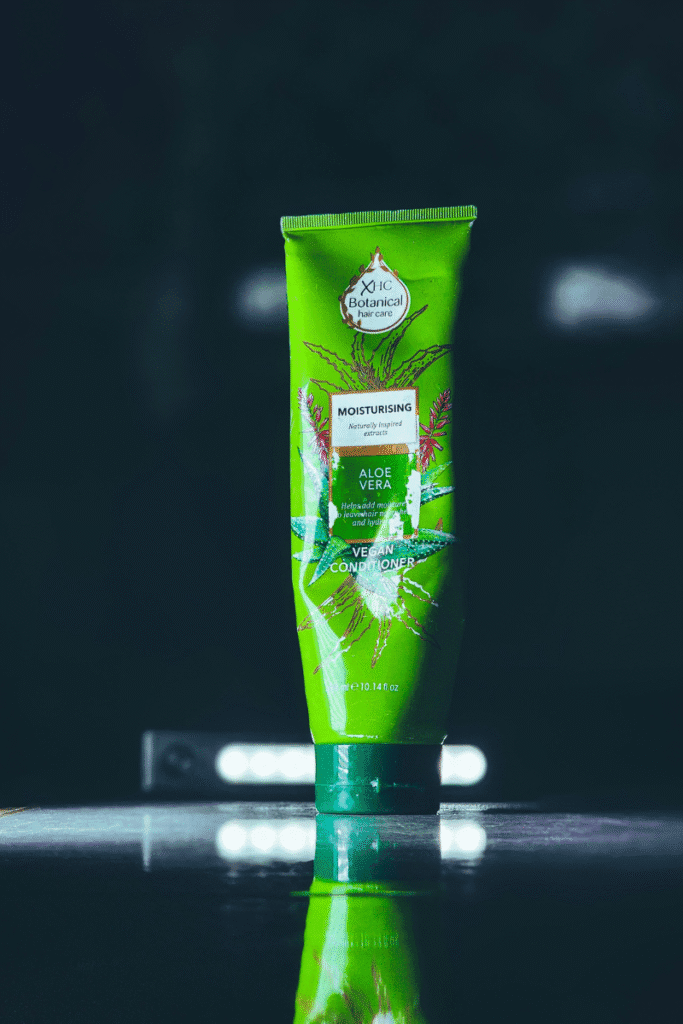
Store-bought aloe gel offers undeniable convenience—and if you choose a high-quality formula, you can still enjoy many of the soothing, hydrating benefits of aloe vera.
Instant Use, No Prep Required
Unlike fresh aloe that needs to be peeled, drained, blended, and strained, store-bought aloe vera for skin comes ready to use. Whether it’s a tube, pump bottle, or jar, you can:
- Apply it directly to your skin
- Mix it into your DIY face packs
- Use it in your post-sun or after-shave routine
Perfect for : Busy mornings, travel kits, or anyone who prefers no-fuss skincare.
Extended Shelf Life & Travel-Friendly
One of the biggest advantages is longevity. Thanks to safe preservatives, store-bought aloe vera gel typically stays fresh for 6 to 12 months (or longer when unopened). This makes it ideal for:
- Consistent daily use without needing to make a new batch every few days
- Storage in humid or warm climates, where fresh gel may spoil quickly
- Travel or outdoor use, especially for sunburn, itching, or bug bites on the go
Pro Tip : Keep a small tube of aloe gel in your skincare pouch, car, or gym bag for quick relief on-the-spot.
Often Enriched with Skin-Loving Additives
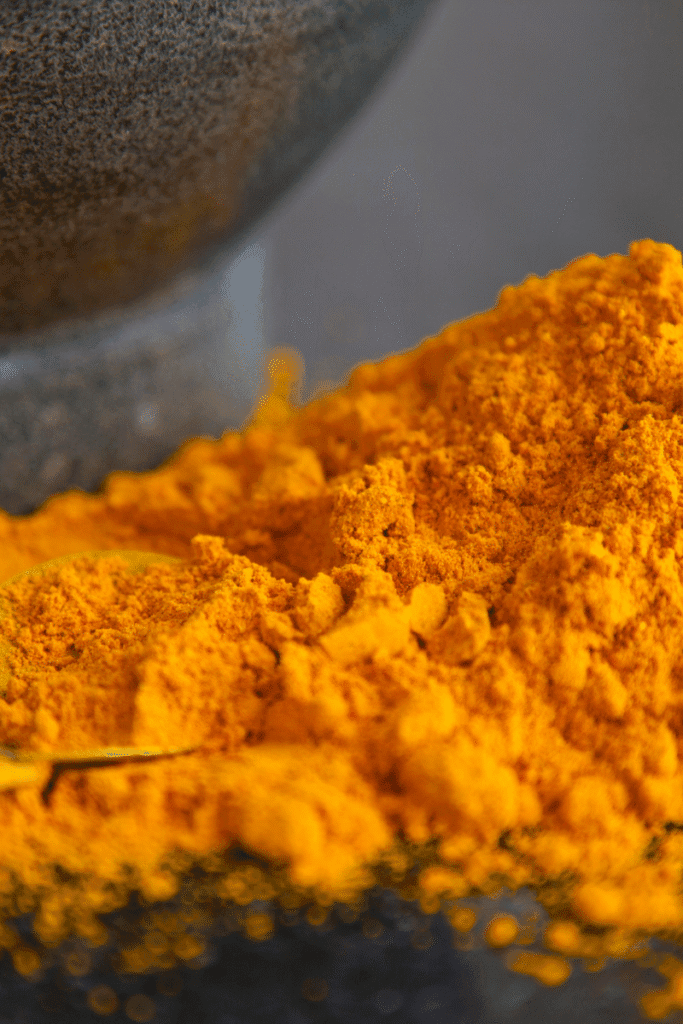
Many commercial aloe vera gels go beyond the basics and include boosting ingredients like:
- Vitamin E: An antioxidant that promotes healing and reduces scarring
- Green Tea Extract: Helps fight acne and oxidative stress
- Hyaluronic Acid: Draws moisture into the skin for a plumper appearance
- Turmeric or Neem Extract: Adds anti-inflammatory or antibacterial benefits
This makes store-bought aloe vera for skin a multipurpose product—you’re not just getting aloe, but a targeted skincare treatment depending on the blend.
Widely Accessible and Affordable
Whether you’re shopping online, at your local chemist, or in a supermarket, aloe vera gel is easy to find. From budget-friendly brands to Ayurvedic luxury formulas, there’s something for every budget and skin need.
Drawbacks of Store-Bought Aloe Vera for Skin
While store-bought gels are incredibly convenient, not all of them are skin-safe—especially for sensitive or acne-prone skin. Here’s what to watch out for:
Hidden Additives Can Irritate Skin
Many aloe vera gels on the market contain ingredients that do more harm than good. These may include:
- Alcohols (like denatured alcohol or isopropyl alcohol) that dry out and inflame the skin
- Artificial fragrance that can trigger allergies or irritation
- Synthetic dyes, especially those that make the gel neon green, even though pure aloe is nearly colorless
Sensitive skin warning : These added chemicals may undo the soothing benefits of aloe and cause breakouts or redness.
Misleading Labels & Low Aloe Content
Some gels labeled as “Aloe Vera Gel” may contain only a small percentage of actual aloe—as low as 10%. The rest could be water, thickeners, preservatives, and fillers.
Always check:
- “99% pure aloe vera” or “100% aloe barbadensis” on the label
- Ingredient list: Aloe should be the first or second ingredient, not at the bottom
Avoid vague terms like “Aloe Extract” without a percentage mentioned—they usually mean less potency.
Texture and Absorption May Feel Less Natural
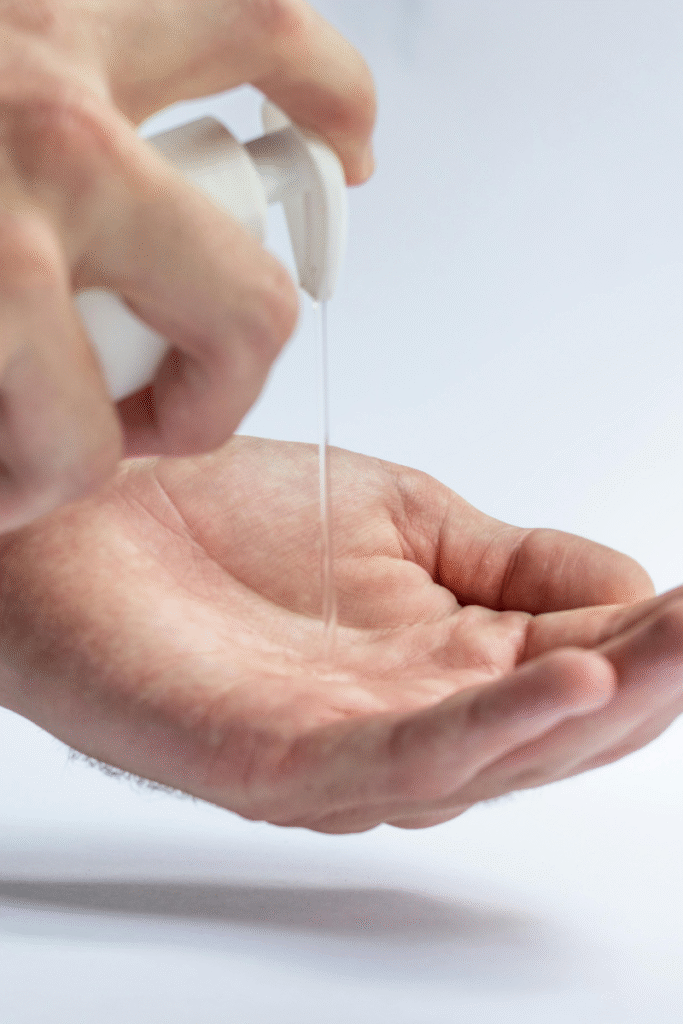
Fresh aloe has a thin, watery, slightly slimy texture that melts into the skin. Some store-bought aloe vera for skin gels are thickened with carbomers or gums to give them a ‘gel-like’ consistency, which:
- May leave a film or residue on the skin
- Might not absorb as well as raw gel
- Could interfere with layering under serums or makeup
Workaround : Use store-bought aloe as the final step in your night routine or allow it to absorb fully before layering additional products.
Final Thoughts: Is Store-Bought Aloe Vera Right for You?
If you’re looking for convenience, longer shelf life, and a product that fits into your busy lifestyle without much effort, store-bought aloe vera for skin is a great choice—as long as you choose wisely.
Best for:
- People with no access to fresh aloe plants
- Travel, summer outings, or emergencies
- Skincare beginners or minimalist routines
Be selective. Go for clean formulations with minimal ingredients, no alcohol, and high aloe content. That way, you can still enjoy the cooling, healing powers of aloe vera—without any unnecessary extras.
Up next, let’s put both versions side-by-side in a quick comparison so you can decide which works best for your skin and schedule.
How to Choose the Best Aloe Vera Gel for Skin:
When shopping for aloe gel, look for:
- “99% pure aloe vera” or “cold-pressed aloe” on the label
- Transparent or slightly cloudy gel (avoid neon green!)
- No parabens, sulfates, mineral oil, or synthetic fragrance
Recommended Aloe Vera Gels for Skin
If you’re looking to buy a reliable, skin-safe aloe gel, it’s important to choose a product that’s free from alcohol, artificial colors, or synthetic fragrance—and that contains a high percentage of real aloe vera.
Aloe Vera for Skin: Fresh vs Store-Bought – Comparison Table
Here’s a quick breakdown to help you choose:
Fresh vs Store-Bought Aloe Vera for Skin: Detailed Comparison
| Feature | Fresh Aloe Vera for Skin | Store-Bought Aloe Vera for Skin |
|---|---|---|
| Purity | 100% pure, raw gel directly from the plant | May contain preservatives, stabilizers, or synthetic fillers |
| Shelf Life | 2–3 days refrigerated; up to 2 weeks if frozen | 6–12 months unopened; ideal for long-term use |
| Skin Compatibility | Excellent for sensitive, acne-prone, or reactive skin when properly cleaned | May cause irritation if it contains alcohol, fragrance, or dyes |
| Preparation Time | Needs washing, draining aloin, scooping, blending, and straining | Ready to use—no prep required |
| Effectiveness | Maximum potency with active enzymes and nutrients intact | Moderate to high depending on purity and formulation |
| Usage Flexibility | Best for DIY skincare masks, soothing packs, and direct spot treatments | Great for travel, quick routines, and multi-step layering |
| Eco-Friendliness | Low waste—uses parts of a living plant | Packaging waste (plastic tubes or jars) unless recyclable |
- Choose fresh aloe vera for skin if you love DIY, want full control, and have sensitive or acne-prone skin.
- Choose store-bought aloe if you need convenience and can find a clean, high-quality product.
DIY Recipe: Soothing Aloe Vera Facial Mist
Use this refreshing mist after cleansing, during hot weather, or post-sun exposure.
Ingredients:
- 2 tablespoons fresh aloe vera gel (or store-bought)
- 1/2 cup rose water
- 2–3 drops lavender essential oil (optional)
- 1 clean spray bottle
Instructions:
- Mix all ingredients in a bowl until smooth.
- Pour into the spray bottle and shake well.
- Refrigerate and use within 5–7 days if using fresh gel.
- Mist onto clean skin anytime for a dewy, cooling effect.
This mist helps calm redness, hydrate deeply, and revive dull skin using the power of aloe vera for skin.
Busting Common Myths About Aloe Vera for Skin
Myth 1: Aloe vera bleaches the skin
Truth: Aloe doesn’t bleach—it brightens by reducing inflammation and supporting skin regeneration.
Myth 2: Store-bought aloe is ineffective
Truth: A well-formulated store-bought gel with high aloe content can be very effective.
Myth 3: Aloe vera gives instant results
Truth: While it soothes instantly, long-term effects like scar fading and improved texture come with consistent use.
Its anti-inflammatory and antibacterial properties, especially helpful in mild acne, are also discussed in trusted resources like Healthline
Which Form of Aloe Vera for Skin Should You Use?
At the end of the day, both fresh and store-bought aloe vera can work wonders for your skin—if you use them correctly.
Use fresh aloe vera for skin if:
- You prefer clean, chemical-free beauty
- You don’t mind a little prep
- Your skin is highly sensitive or acne-prone
Use store-bought aloe gel if:
- You need something travel-friendly and shelf-stable
- You want a multitasking gel with added ingredients
- You prefer quick, fuss-free skincare
Whatever your choice, incorporating aloe vera for skin into your daily routine can lead to calmer, clearer, and healthier skin.
Explore More Natural Skincare:
- Homemade Hydrating Face Mask with Aloe & Cucumber
- DIY Clay Mask for Oily Skin Using Multani Mitti
- Natural Spot Treatment with Clove & Tea Tree Oil
Disclaimer:
The information provided on skincaresolutions.in is for informational purposes only and reflects personal/home remedies that are commonly used in skincare. It should not replace professional advice. Please do a patch test before trying any new ingredient. If you have sensitive skin, allergies, or medical conditions, consult a dermatologist before use.