Ancient Secret, Timeless Glow
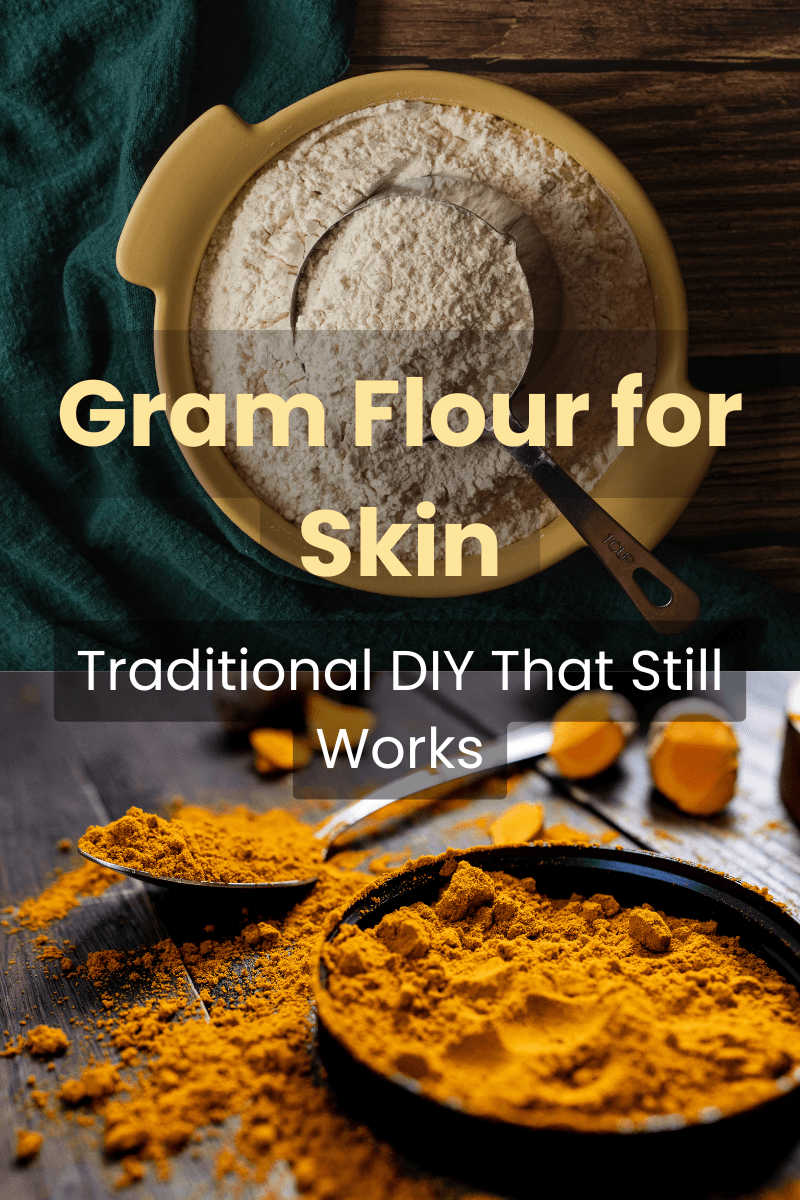
Gram flour for skin—also called besan—has been cherished in Indian beauty rituals for generations. From bridal ubtan ceremonies to everyday cleansers for oily teenage skin, this kitchen staple has always delivered natural, skin-loving results.
In today’s world of synthetic skincare loaded with fragrances and parabens, gram flour stands out for its clean, multipurpose action. And best of all? It’s accessible, affordable, and incredibly versatile.
So, if you’re seeking a natural alternative to your current skincare lineup, this blog will show you why gram flour for skin is a timeless solution that still works—especially when paired with the right ingredients.
Table of Contents
Why Gram Flour Deserves a Spot in Your Skincare Routine
When it comes to traditional skincare, few ingredients have stood the test of time quite like gram flour. Known as besan in India, this golden-yellow powder is made by finely grinding split chickpeas (chana dal) into a soft, nutrient-rich flour. And while it’s a staple in Indian cooking, it’s equally powerful when applied topically—especially if you’re trying to simplify your skincare with ingredients straight from your kitchen.
So, what makes gram flour for skin such a hero ingredient in natural beauty routines? Let’s break it down:
1. Natural & Gentle Cleanser
Gram flour contains saponins, which are natural cleansing agents. These compounds help lift away dirt, sweat, pollutants, and makeup residue without disrupting the skin’s pH balance or stripping its natural oils—something common with many commercial soaps and face washes.
Unlike foaming cleansers that may contain sulfates, gram flour for skin provides a soap-free, sulfate-free alternative. It’s especially helpful for sensitive or reactive skin types that cannot tolerate harsh ingredients.
Daily use as a face wash (mixed with rose water or milk) can help maintain a clean, fresh complexion without causing dryness.
2. Mild Exfoliation for Dead Skin Removal
The soft, grainy texture of gram flour acts as a natural exfoliant. When gently massaged onto the skin, it helps slough off dead cells from the surface layer, clearing clogged pores and promoting cell turnover. This leads to a smoother skin texture and allows other skincare products (like moisturizers or serums) to absorb more effectively.
It’s ideal for those who find chemical exfoliants (like AHAs or BHAs) too harsh or irritating.
Try mixing it with yogurt and a pinch of turmeric for a gentle weekly exfoliation mask.
3. Oil Balancer for Oily & Acne-Prone Skin
If your skin feels greasy by midday, gram flour for skin can come to your rescue. Its natural absorbent properties help control excess sebum (oil), leaving your skin matte and refreshed without over-drying. It soaks up oils from deep within the pores, reducing the greasy shine and minimizing the chances of blackheads and acne breakouts.
For acne-prone skin, combining gram flour with ingredients like neem powder, tea tree oil, or multani mitti creates a powerful detoxifying pack.
Use 2–3 times a week with rose water or aloe vera gel for best oil-control results.
4. Skin Brightening & De-Tanning Powerhouse
One of the most celebrated uses of gram flour for skin in Indian tradition is as a natural tan remover and complexion enhancer. It works to even out skin tone, fade pigmentation marks, and improve dullness caused by sun exposure, pollution, or buildup of dead skin cells.
When paired with yogurt, turmeric, or lemon juice, it forms the classic ubtan used by brides-to-be for radiant, glowing skin before their big day.
Consistent use can visibly reduce tan and bring out a natural glow without the need for chemical peels.
5. Soothes Skin Irritations & Inflammation
Thanks to its calming and anti-inflammatory nature, gram flour for skin is also effective in managing minor irritations, redness, rashes, and even itching caused by heat or sweat. Its pH-balancing properties help calm inflamed skin and promote faster healing.
If your skin is sensitive, red, or irritated due to environmental triggers or product overload, gram flour mixed with cucumber juice, aloe vera, or milk can act as a gentle reset mask.
Use it as a calming pack during hot, humid months to reduce skin flare-ups and sweat-induced acne.
Summary: Why It Works So Well
| Skin Concern | How Gram Flour Helps |
|---|---|
| Dirt, Pollution, Makeup | Acts as a natural, non-drying cleanser |
| Dull, Uneven Texture | Gently exfoliates and renews skin cells |
| Oily & Shiny Skin | Absorbs excess oil and tightens pores |
| Tanned or Pigmented Skin | Brightens and fades marks naturally |
| Redness or Irritation | Soothes inflammation and balances skin tone |
With these diverse benefits, it’s no surprise that gram flour for skin has remained a go-to solution for centuries. Whether you’re dealing with breakouts, dullness, or sensitivity, incorporating this humble ingredient into your skincare routine might be the most nourishing switch you make this year.
DIY 1: Everyday Gram Flour Face Wash (All Skin Types)
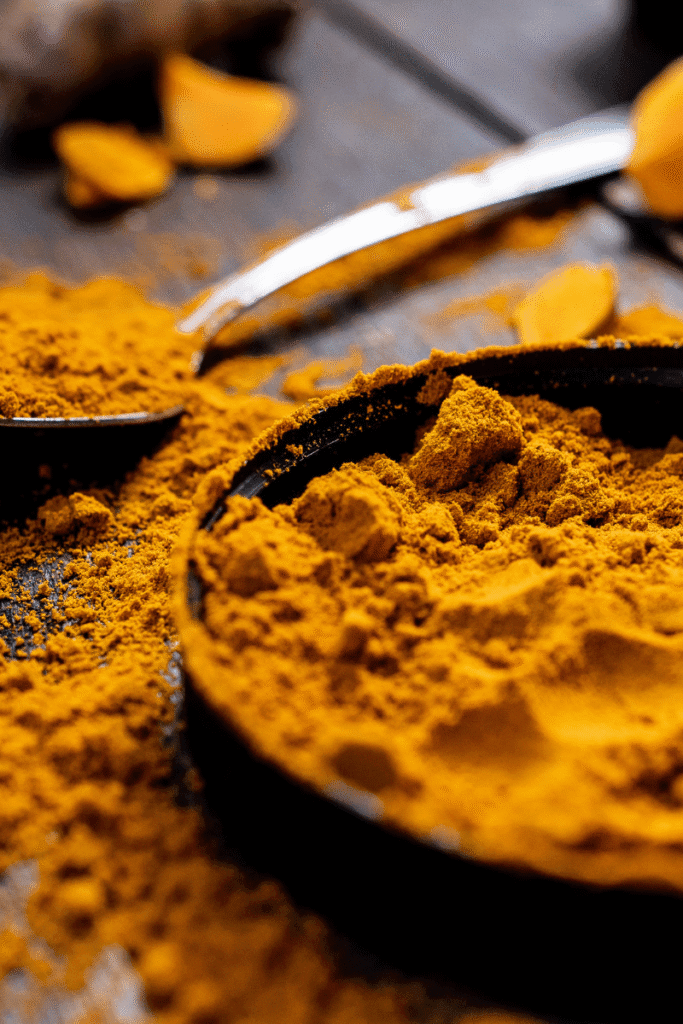
This simple cleanser is ideal for daily use and works especially well for those wanting to cut back on foaming face washes.
Ingredients:
- 2 tsp Organic Gram Flour
- 1 tsp raw milk (or rose water for oily skin)
- ½ tsp turmeric (optional)
Instructions:
- Mix into a smooth paste.
- Massage gently onto damp skin in circular motions.
- Rinse with lukewarm water and pat dry.
💡 Why it Works:
This blend mimics a natural face wash. Gram flour for skin acts as a soap-free cleanser. Turmeric combats inflammation, while milk nourishes and adds glow.
Tip: If using daily, skip turmeric to avoid staining light skin tones.
DIY 2: Tan Removal Ubtan Pack (For Summer Skin)
This traditional ubtan blend is your go-to after a beach vacation or long sunny day. It’s great for fading tan and reviving dullness.
Ingredients:
- 2 tbsp Gram Flour (Skincare Grade)
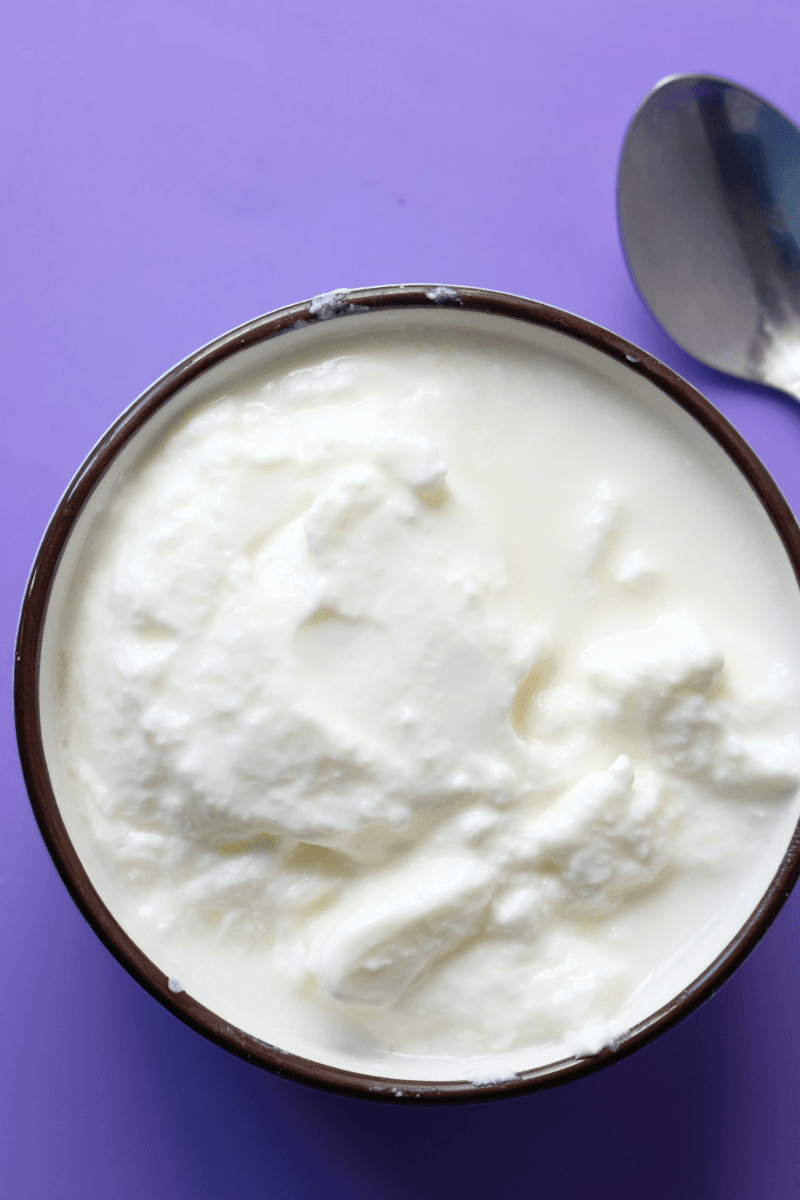
- 1 tbsp plain yogurt
- 1 tsp lemon juice (optional)
- A pinch of turmeric
Instructions:
- Combine ingredients into a thick paste.
- Apply evenly over face, neck, or tanned areas.
- Leave for 15–20 minutes and rinse with cool water.
⚠️ Caution:
Sensitive skin? Replace lemon with Rose Water or Aloe Vera Gel. Avoid sun exposure immediately after use.
- Turmeric Powder (Optional Add-On) – Skin-safe, not cooking haldi
- Rose Water (Toner Base) – Alcohol-free, steam-distilled
DIY 3: Glow Pack with Honey & Cream (For Dry Skin)
If your skin feels flaky or dull, this rich and creamy mask will restore moisture and radiance.
Ingredients:
- 1 tbsp Gram Flour
- 1 tsp raw honey
- 1 tsp fresh milk cream (or full-fat yogurt)
Instructions:
- Mix until smooth and apply on clean skin.
- Let sit for 15–20 minutes.
- Rinse off using lukewarm water and moisturize.
💡 Why it Works:
Honey deeply hydrates, while gram flour gently exfoliates dead cells. Milk cream softens and boosts glow.
Pro Tip: Use before a party or event for a soft, dewy finish.
DIY 4: Anti-Acne Neem Spot Pack
This herbal treatment helps control acne and soothe inflamed pimples naturally.
Ingredients:
- 1 tsp Gram Flour
- 1 tsp Neem Powder (or crushed neem leaves)
- 1 tsp Rose Water or Aloe Vera Gel
Instructions:
- Mix ingredients to form a paste.
- Apply only on affected areas.
- Leave on for 10–15 minutes, then rinse gently.
Why it Works:
Gram flour for skin serves as a base that helps neem penetrate acne-prone areas while absorbing excess oil.
How to Maximize the Benefits of Gram Flour for Skin
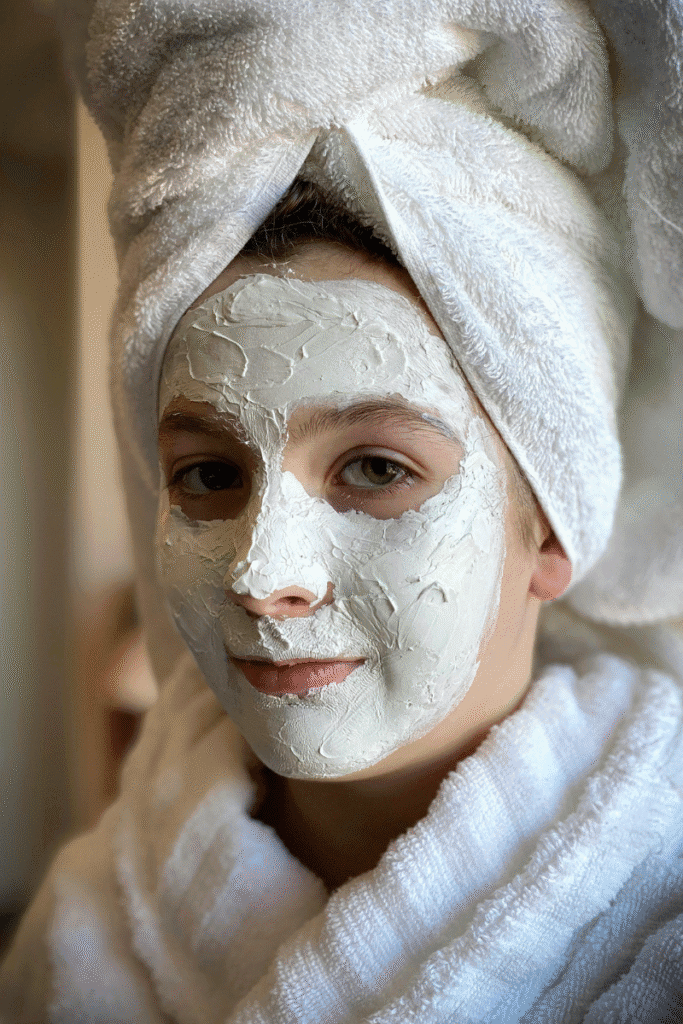
Using gram flour for skin can deliver impressive results—if used correctly. Although it’s a natural and gentle ingredient, there are a few key practices you should follow to make sure your skin stays balanced, nourished, and irritation-free.
Here’s your go-to checklist for getting the most out of every gram flour DIY:
✔️ Use Fresh, Chemical-Free Gram Flour
Not all gram flour is created equal. Many commercial besan packets are meant solely for cooking and may contain preservatives, bleaches, or additives that can irritate the skin.
To protect your skin:
- Choose skincare-grade or organic gram flour, preferably unrefined and stone-ground.
- Always store it in a cool, dry place, and check for freshness before use.
- If it smells stale or has clumps, it’s best to discard it.
✔️ Always Perform a Patch Test First
Just because an ingredient is natural doesn’t mean it’s safe for everyone. Even gram flour, when mixed with turmeric, lemon, or essential oils, can cause sensitivity or redness.
Here’s how to do a patch test:
- Mix a tiny amount of your DIY pack.
- Apply it behind your ear or on your inner arm.
- Wait 12–24 hours to monitor for any reaction like redness, itching, or burning.
If no reaction occurs, you’re good to go!
✔️ Use Non-Metal Mixing Bowls and Spoons
Many natural ingredients—like turmeric, lemon juice, and even rose water—react with metal, especially aluminum or iron, potentially reducing the effectiveness of your DIY or irritating sensitive skin.
Instead, always mix your masks in:
- Glass bowls – hygienic and non-reactive
- Wooden bowls – eco-friendly and traditional
- Clay bowls – great for cooling and Ayurvedic rituals
Using a wooden or ceramic spoon also prevents unwanted reactions.
Bonus Tip: Clay or terracotta mixing sets are also more aesthetic for flatlays or skincare reels!
✔️ Don’t Overuse—Stick to 2–3 Times a Week
While gram flour for skin offers deep cleansing and oil control, it can also become too drying when used excessively, especially for dry or sensitive skin types.
Frequency guide:
- Oily/Combination Skin – 2–3 times a week is ideal.
- Dry Skin – Limit to once a week; always mix with creamy bases like milk or honey.
- Sensitive Skin – Use only when needed, with calming ingredients like aloe vera or rose water.
Too much of a good thing can strip your skin barrier, making it more prone to redness, tightness, or breakouts.
✔️ Always Follow Up with a Moisturizer
After any mask, your skin is freshly exfoliated and more absorbent—this is the perfect time to lock in moisture.
Why it matters:
- Gram flour removes oil and impurities, but that can also lead to slight dryness.
- Applying a gentle, natural moisturizer afterward helps restore hydration and protect the skin barrier.
Recommended: Ayurvedic Aloe + Shea Face Cream (Non-Comedogenic)
Budget-Friendly: Lightweight Gel Moisturizer for Post-Mask Hydration (Soothes and hydrates without clogging pores)
If used at night, seal in your mask results with a few drops of facial oil or rosehip serum.
Pro Tips for a Smoother DIY Experience
- Avoid wearing gram flour masks under the sun—always rinse off before going outdoors.
- Use lukewarm water to rinse off masks for easier removal.
- Don’t rub or tug your skin—let the mask soften with water before removing.
- Apply your gram flour mask to freshly cleansed skin for better results.
Gram flour is widely known to help control oiliness and improve skin tone. Studies from Healthline also support its traditional use in skincare
❌ Common Mistakes to Avoid with Gram Flour
Avoid these pitfalls to make sure your DIYs are both safe and effective:
- ❌ Using daily in winter – may worsen dryness.
- ❌ Mixing lemon and turmeric together for sensitive skin – can cause burns.
- ❌ Not rinsing thoroughly – leftover residue may clog pores.
- ❌ Skipping SPF – turmeric and lemon can make skin photosensitive.
Is Gram Flour Safe for Everyone?
In general, yes. But skin is highly individual.
| Skin Type | How to Use Gram Flour |
|---|---|
| Oily/Combination | Mix with rose water, turmeric, or yogurt |
| Dry | Use with milk cream, honey, or almond oil |
| Sensitive | Pair with aloe vera, avoid citrus & turmeric |
| Acne-Prone | Combine with neem, turmeric (in moderation) |
If you have eczema, psoriasis, or rosacea—consult your dermatologist first.
Where to Buy the Right Gram Flour for Skin
For skincare use, avoid bleached, processed besan meant only for cooking. Choose pure, fine-milled, organic versions.
(Combo Kit for Beginners):
Gram Flour + Multani Mitti + Rose Water
→ Ideal for oily, acne-prone, or dull skin types.
→ 100% natural | Beginner-safe | Trusted brands
💡 Use this combo to make weekly masks, daily cleansers, or tan removal packs with ease.)
Is Gram Flour Still Worth Using?
Yes, a hundred times over.
If you’re looking for a budget-friendly, chemical-free, and truly effective skincare hero, gram flour for skin checks every box.
It fits effortlessly into a natural skincare lifestyle—whether you’re treating acne, uneven skin tone, or just maintaining a healthy glow.
Don’t underestimate the power of traditional wisdom. Sometimes, what worked for your grandmother… still works even better today.
For more details, you can also read about the benefits of besan for skin in trusted skincare resources
Loved This DIY Guide?
Check out other powerful kitchen ingredient posts in this series:
🔗 Aloe Vera for Skin: Fresh vs Store-Bought — Which Is Better?
🔗 Coconut Oil for Face: Best Uses + Mistakes to Avoid
🔗 Kitchen Ingredient DIYs
Disclaimer:
The information provided on skincaresolutions.in is for informational purposes only and reflects personal/home remedies that are commonly used in skincare. It should not replace professional advice. Please do a patch test before trying any new ingredient. If you have sensitive skin, allergies, or medical conditions, consult a dermatologist before use.