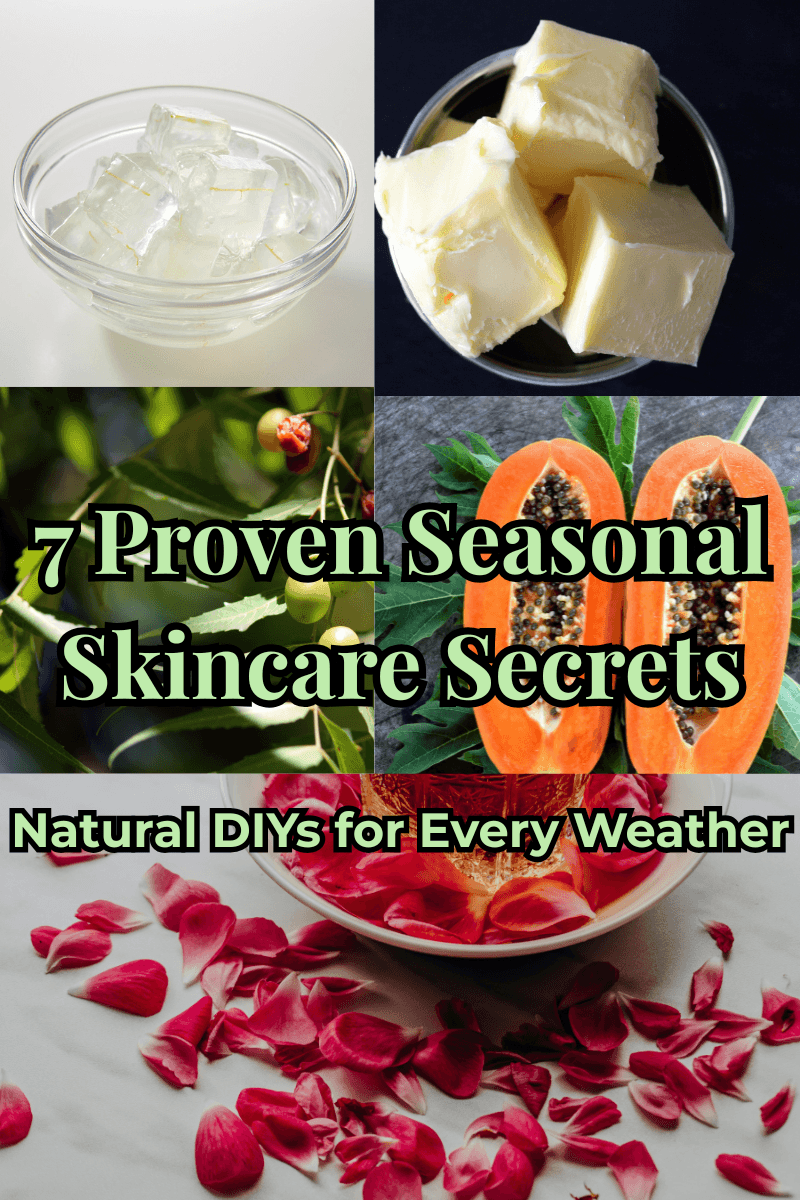
7 proven seasonal skincare secrets aren’t just a beauty trend — they are the key to keeping your skin healthy, glowing, and balanced throughout the year. Your skin reacts differently to every season: one month it might be oily and acne-prone from heavy humidity, and the next, it’s dry and flaky from chilly winds.
If you’ve ever wondered why your “perfect” skincare routine suddenly stops working, the answer is simple — the season has changed, but your products haven’t.
This guide reveals 7 proven seasonal skincare secrets, packed with natural DIYs and lifestyle tweaks you can easily do at home. These routines are affordable, gentle, and effective — no expensive serums required.
7 Proven Seasonal Skincare Secrets: Why They Are Essential
Understanding 7 proven seasonal skincare secrets means learning how your skin responds to changes in temperature, humidity, and environment. When you ignore these shifts, problems arise.
Common seasonal skincare challenges:
- Monsoon: Breakouts and clogged pores from humidity
- Winter: Dryness, tightness, and flakiness from low moisture
- Summer: Sunburn, pigmentation, and premature aging
- Spring: Dullness and sensitivity after harsh winter
- Autumn: Transitional dryness and imbalance
A small tweak in your skincare — such as swapping a heavy cream for a gel moisturizer or adding a nourishing oil — can prevent these issues.
Pro Tip: Keep a simple skincare journal. Note what worked and what didn’t in each season. Over time, you’ll create a personalized routine that fits your skin perfectly.
Monsoon Seasonal Skincare: DIYs for Oily & Acne-Prone Skin
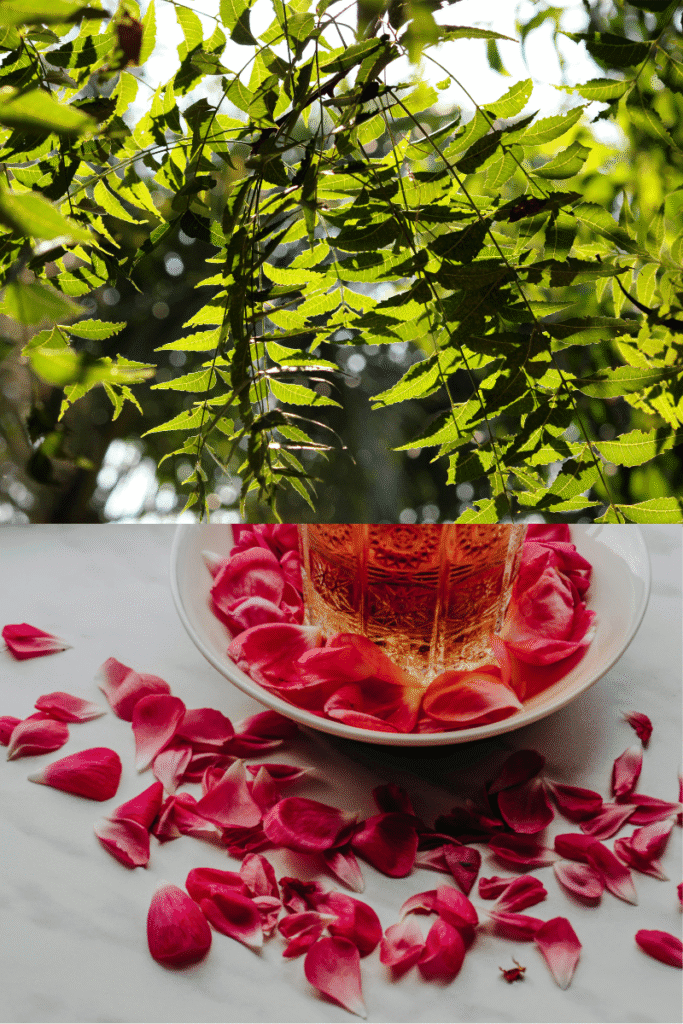
The monsoon season brings relief from scorching summers, but the high humidity makes it a challenging time for skin health. Excess sweat, clogged pores, and dampness can create the perfect breeding ground for acne, blackheads, and even fungal infections. That’s why monsoon seasonal skincare should focus on oil control, antibacterial cleansing, and lightweight hydration.
Detailed DIYs for Monsoon
1. Neem Toner (Daily use)
- How to prepare: Boil 10–15 neem leaves in 2 cups of water until the water turns light green. Let it cool, strain, and transfer to a spray bottle.
- How to use: Mist your face 2–3 times a day or after cleansing.
- Why it works: Neem has strong antibacterial, antifungal, and anti-inflammatory properties. It reduces acne-causing bacteria, calms irritation, and balances sebum.
2. Fuller’s Earth (Multani Mitti) Mask (2–3 times/week)
- How to prepare: Mix 2 tbsp multani mitti with rose water or cucumber juice into a smooth paste.
- How to use: Apply evenly, leave for 15 minutes, and rinse with cool water.
- Why it works: Fuller’s earth absorbs excess oil, unclogs pores, and tightens skin, giving a refreshed matte look.
3. Turmeric-Sandalwood Pack (Weekly)
- How to prepare: Combine 1 tsp turmeric, 1 tsp sandalwood powder, and 2–3 drops of lemon juice.
- How to use: Apply only on acne-prone areas for 10 minutes and wash off.
- Why it works: Turmeric fights inflammation, sandalwood soothes skin, and lemon adds mild astringent properties to prevent breakouts.
4. Mint & Yogurt Soothing Pack (Bonus DIY)
- Blend 10 mint leaves with 2 tbsp yogurt. Apply for 15 minutes.
- Helps reduce redness, cools the skin, and keeps oiliness under control.
Extra Monsoon Skincare Tips
- Wash your face 2–3 times daily with a mild, sulfate-free cleanser.
- Use aloe vera gel or hyaluronic acid-based moisturizers instead of heavy creams.
- Avoid heavy makeup; stick to light BB creams or tinted moisturizers.
- Always pat dry your skin after rain exposure to avoid fungal infections in folds.
- Sunscreen is non-negotiable. UV rays penetrate clouds and still cause tanning and pigmentation.
Pro Tip: Keep blotting papers in your bag. They instantly soak up excess oil without disturbing makeup.
👉 For more inspiration, check out our detailed guide on monsoon skincare routine where we share extra DIY remedies to prevent breakouts.
👉 According to Healthline, neem oil is rich in antibacterial and antifungal properties, making it a great natural remedy during the monsoon season when breakouts are common.
Winter Seasonal Skincare: Hydration & Barrier Repair
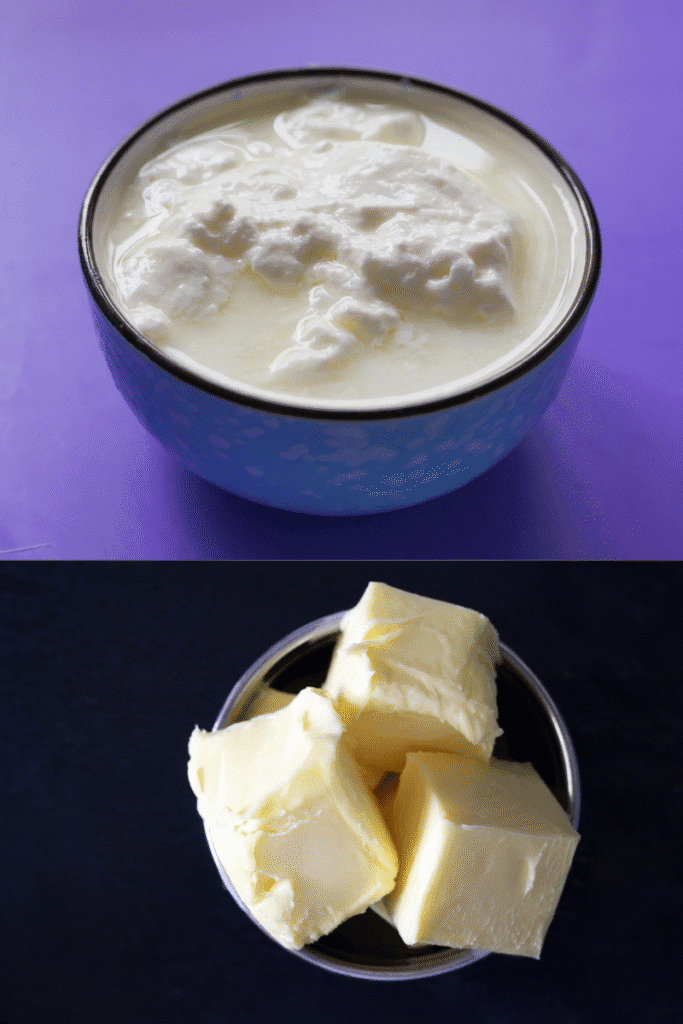
Winter may be cozy, but your skin often pays the price. Cold winds, indoor heating, and low humidity strip away natural oils, leaving skin dry, tight, and flaky. Sensitive skin types also experience redness and itching. That’s why winter seasonal skincare must focus on deep hydration, barrier repair, and protection against harsh weather.
Detailed DIYs for Winter
1. Honey + Yogurt Mask (2–3 times/week)
- How to prepare: Mix 1 tbsp yogurt with 1 tsp raw honey.
- How to use: Apply a thin layer and leave for 20 minutes before rinsing with lukewarm water.
- Why it works: Yogurt contains lactic acid that gently exfoliates, while honey deeply hydrates and soothes irritation.
2. Almond Oil Massage (Daily)
- Warm 4–5 drops of almond oil between your palms and massage onto damp skin before showering.
- Rich in vitamin E, almond oil improves circulation, prevents dryness, and promotes skin elasticity.
3. Shea Butter Balm (Daily)
- Apply directly on lips, elbows, knees, and heels.
- Shea butter’s fatty acids restore lost lipids and protect skin from cracking.
4. Ghee Overnight Mask (Bonus DIY)
- Apply a thin layer of clarified butter (ghee) on dry patches before bed.
- Restores softness and prevents flaky skin overnight.
Extra Winter Skincare Tips
- Switch to cream-based cleansers instead of foaming ones.
- Use a humidifier indoors to maintain skin moisture.
- Drink warm water with lemon and honey to stay hydrated inside-out.
- Cover your face with soft cotton or silk scarves to reduce windburn.
- Always layer your routine: hydrating toner → serum → moisturizer → facial oil (if very dry).
Pro Tip: Avoid super-hot showers. They may feel good but strip essential skin oils. Use lukewarm water instead.
👉 If winter dryness troubles you, don’t miss our post on natural moisturizer for winter for simple, chemical-free solutions.
👉 As noted by Medical News Today, aloe vera is highly effective in soothing sunburn and cooling irritated skin, which makes it perfect for summer seasonal skincare routines.
Summer & Spring Seasonal Skincare: Cooling & Rejuvenating
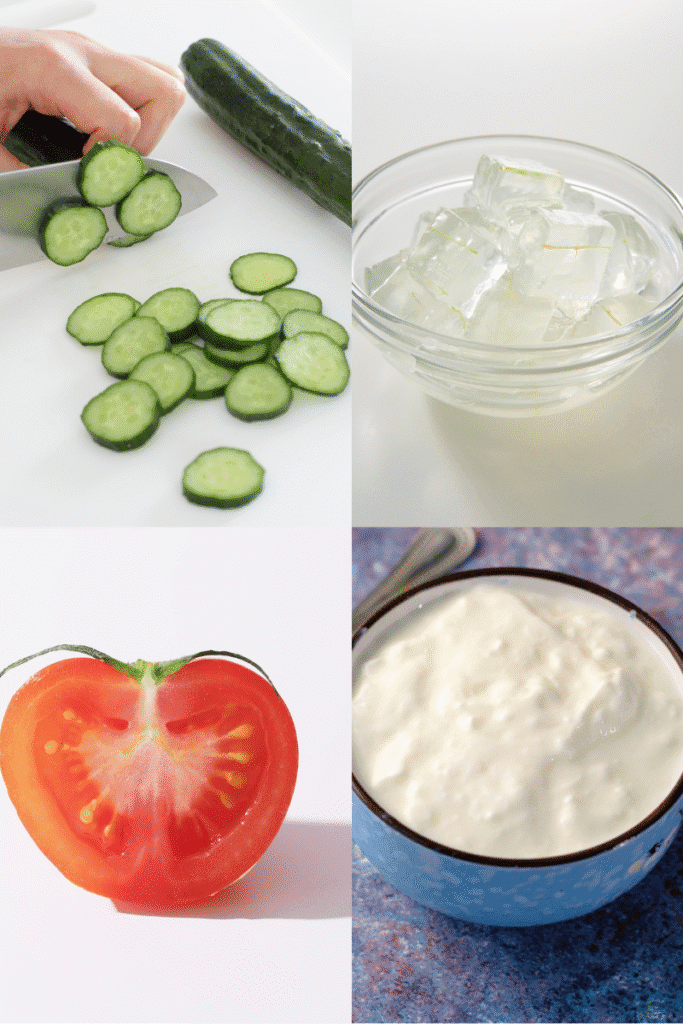
Summer and spring are seasons of light, energy, and renewal — but they also bring sunburn, tanning, oiliness, and post-winter dullness. That’s why summer and spring seasonal skincare should focus on cooling, detoxification, and rejuvenation.
Summer DIYs
1. Aloe Vera Gel (Daily)
- Keep pure aloe vera gel in the fridge.
- Apply after sun exposure for instant relief, reduced redness, and hydration.
2. Cucumber Toner (Daily)
- Blend cucumber juice with equal parts rose water. Store in the fridge.
- Spray or dab with cotton to refresh, reduce puffiness, and soothe sunburn.
3. Tomato + Yogurt Mask (Weekly)
- Mix fresh tomato pulp with 2 tbsp yogurt.
- Reduces tanning, brightens skin, and balances oil.
4. Watermelon Pulp Pack (Bonus DIY)
- Apply chilled watermelon pulp directly for 15 minutes.
- Hydrates, refreshes, and tones skin naturally.
Spring DIYs
1. Oats + Milk Scrub (2 times/week)
- Mix oats with milk to form a gentle scrub.
- Buffs away dead skin and restores softness after winter dryness.
2. Rose Petal Paste (Weekly)
- Crush fresh rose petals with a few drops of raw milk.
- Brightens dull skin and provides a natural rosy glow.
3. Aloe Vera Moisturizer (Daily)
- Lightweight hydration that prevents clogged pores in warmer weather.
4. Papaya Glow Mask (Bonus DIY)
- Mash ripe papaya and apply for 15 minutes.
- Natural enzymes remove dead skin and brighten complexion.
Extra Summer & Spring Tips
- Reapply sunscreen every 2–3 hours when outdoors.
- Wear hats, sunglasses, and breathable cotton clothing.
- Eat water-rich foods like cucumbers, oranges, and melons.
- Spring is the best time to add fruit-based masks (papaya, strawberry, orange peel) to revive glow.
Pro Tip: Avoid over-exfoliating in summer. It can make sun-exposed skin more sensitive and irritated.
Autumn Seasonal Skincare: Transition & Balance
Autumn is often overlooked, but it plays a crucial role in preparing your skin for winter. As the weather cools, skin naturally starts losing moisture, which can cause roughness and early dryness. Autumn seasonal skincare should be about balancing hydration and gradually transitioning into richer routines.
Detailed DIYs for Autumn
1. Papaya Mask (Weekly)
- Mash ripe papaya and apply for 15 minutes.
- Papaya enzymes exfoliate dead cells and brighten skin tone.
2. Jojoba Oil (Nighttime use)
- Apply 2–3 drops of jojoba oil after moisturizer.
- Since it mimics the skin’s natural sebum, it keeps the skin balanced and prevents dryness without clogging pores.
3. Honey Scrub (2 times/week)
- Mix honey with a pinch of fine sugar.
- Massage gently on lips and rough patches to smooth and hydrate.
4. Pumpkin Puree Mask (Bonus DIY)
- Blend 2 tbsp pumpkin puree with 1 tsp honey.
- Rich in antioxidants and vitamins, it nourishes skin during seasonal transition.
Extra Autumn Skincare Tips
- Start layering light oils and creamy moisturizers gradually.
- Avoid long, hot showers that strip natural oils.
- Include seasonal foods like pumpkin, carrots, and sweet potatoes in your diet — they’re rich in beta-carotene for skin repair.
- Begin using overnight masks to prep skin for upcoming winter dryness.
Pro Tip: Think of autumn skincare as “training” your skin for winter. Small, consistent adjustments prevent sudden dryness shocks.
Moisturizer Magic: Nature’s Best for All Seasons
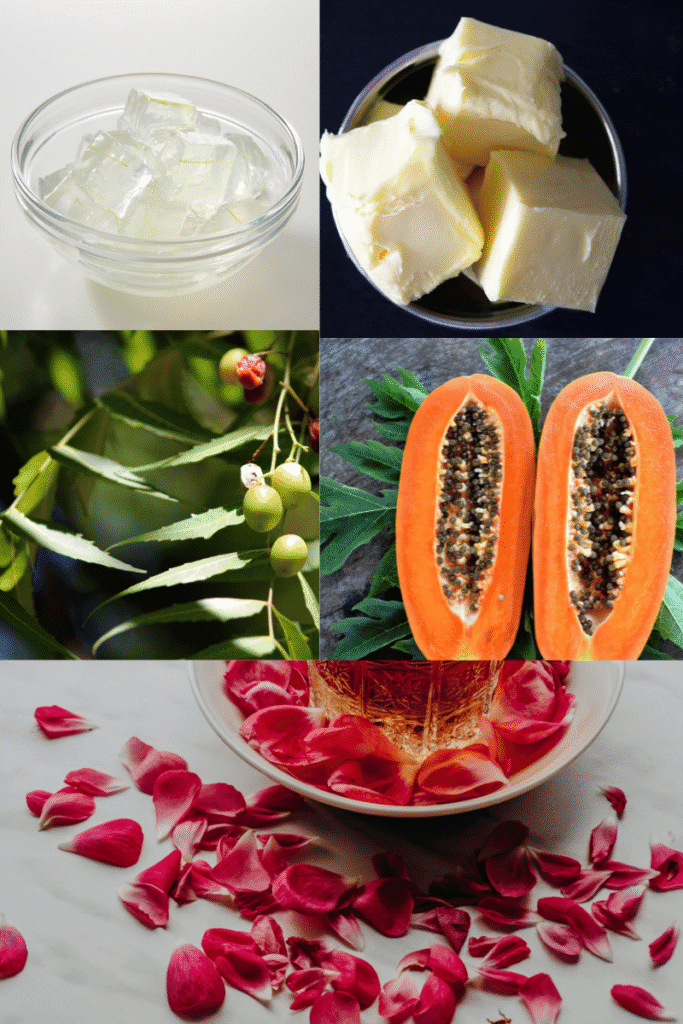
If there’s one skincare step you should never skip, it’s moisturizing. Moisturizers don’t just make your skin feel soft — they lock in hydration, repair your skin barrier, and prevent long-term issues like premature aging, fine lines, or chronic dryness. But the key to effective seasonal skincare is choosing the right moisturizer for each weather.
Winter: Deep Nourishment for Dry, Flaky Skin
Winter winds and indoor heaters rob your skin of natural oils. This is the season when your skin craves richness and protection.
Best Natural Moisturizers:
- Shea Butter: Rich in fatty acids and vitamins A & E, it heals cracked skin and locks in moisture. Perfect for lips, heels, and elbows.
- Cocoa Butter: Known for its velvety texture, it deeply hydrates and improves skin elasticity. Great for preventing winter roughness.
- Almond Oil: Lightweight but rich in vitamin E, almond oil strengthens the skin barrier and keeps it soft.
DIY Winter Balm: Melt 2 tbsp shea butter, 1 tbsp almond oil, and a few drops of lavender essential oil. Store in a small jar and use as a nightly winter moisturizer.
Summer: Lightweight Hydration & Cooling Freshness
Hot, sweaty months mean excess oil and clogged pores. Your skin needs lightweight, cooling hydration that won’t suffocate it.
Best Natural Moisturizers:
- Aloe Vera Gel: Naturally cooling, reduces inflammation, and soothes sunburn.
- Rose Water: Refreshes and tones skin while maintaining pH balance.
- Aloe + Rose Combo: Mix equal parts aloe vera gel and rose water, store in the fridge, and apply twice daily for a natural water-based moisturizer.
DIY Summer Cooling Gel: Blend 3 tbsp fresh aloe vera gel with 1 tbsp cucumber juice. Store in a glass jar and refrigerate. Use after sun exposure for instant relief.
Spring & Autumn: Balance & Transition Care
Spring revives the skin after winter dullness, while autumn prepares it for upcoming dryness. Your moisturizer here should be lightweight yet nourishing, offering balance.
Best Natural Moisturizers:
- Jojoba Oil: Closely resembles skin’s natural sebum, making it perfect for balancing both oily and dry patches.
- Lightweight Lotions: Aloe-based or oat-based lotions are ideal for transitional weather.
DIY Seasonal Glow Oil: Mix 1 tbsp jojoba oil with 2 drops rosehip oil. Massage 2–3 drops into damp skin at night for balanced hydration.
All Seasons: The Timeless Coconut Oil
Coconut oil is the ultimate multitasker. It works as a night cream, lip balm, hair mask, and body moisturizer. Rich in lauric acid, it repairs the skin barrier, prevents dryness, and promotes healing.
DIY Coconut Repair Mask: Warm 1 tsp coconut oil and massage onto skin before bed. Wake up to plump, soft, glowing skin.
Pro Tip: The “3-Minute Rule”
After cleansing, always apply moisturizer within 3 minutes while your skin is still slightly damp. This locks in hydration more effectively and prevents transepidermal water loss (TEWL).
Keep a Seasonal Skincare Journal
A skincare journal may sound simple, but it’s one of the most powerful tools for long-term skin health.
Here’s how it helps:
- Track What Works: Note which DIY masks or oils made your skin glow.
- Spot Irritants Early: Write down if a new ingredient caused breakouts or rashes.
- Plan Ahead: Anticipate changes — for example, if you know winter always makes your cheeks flaky, you can stock up on almond oil in advance.
- Build Personal Routines: Over time, your journal becomes a personalized skincare guide tailored to your skin’s unique seasonal needs.
Pro Tip: Use a simple notebook or your phone’s notes app. Mark dates, products used, and how your skin reacted.
Why Seasonal Skincare Matters
Think of seasonal skincare like your wardrobe. You wouldn’t wear wool in summer or a sleeveless cotton dress in freezing winter. Your skin doesn’t need the same products all year, either.
Benefits of Seasonal Skincare:
- Prevents seasonal skin issues like acne, dryness, or sunburn before they occur.
- Saves money by focusing on natural, affordable DIY solutions instead of pricey treatments.
- Builds long-term resilience — your skin learns to adapt and stay balanced in every climate.
- Reduces dependency on harsh chemicals by using kitchen-friendly remedies.
Even small tweaks — like switching to aloe vera gel in summer or almond oil in winter — can completely change your skin’s health and glow.
Pro Tip: Think of it as skin “maintenance.” Consistency matters more than complexity.
FAQs on Seasonal Skincare
Q1. Do I really need to change my skincare every season?
Yes. Your skin’s needs shift with changes in temperature, humidity, and environment. Ignoring these changes often leads to breakouts, dryness, or dullness.
Q2. Can I use the same moisturizer all year?
It depends on your skin type. If you have balanced skin, you might only need to adjust textures (light lotion in summer, richer cream in winter). For sensitive or combination skin, seasonal swaps are more important.
Q3. Is sunscreen necessary in monsoon and winter?
Absolutely! UV rays penetrate clouds and reflect off snow, causing tanning, pigmentation, and long-term damage. SPF is a year-round essential.
Q4. How often should I exfoliate in different seasons?
- Summer: 1–2 times per week (avoid over-exfoliation).
- Winter: Once a week with gentle scrubs.
- Spring/Autumn: 2 times per week to remove dullness.
Q5. Are natural DIYs safe for everyone?
Most are safe, but always do a patch test before applying new ingredients. For sensitive skin, avoid harsh DIYs like lemon juice or undiluted essential oils.
Seasonal skincare isn’t about following trends — it’s about respecting your skin’s changing needs and responding with care. By adapting your routine with natural DIYs, you’ll enjoy radiant, hydrated, and balanced skin every day of the year.
Consistency is the true secret. Small, mindful changes like switching from aloe vera in summer to almond oil in winter can transform your skin’s long-term health.
Remember: listen to your skin, flow with the seasons, and glow naturally.
Want more inspiration? Explore our Winter Skincare Remedies and Monsoon Skincare DIYs to start building your personalized seasonal routine.
Disclaimer:
The information provided on skincaresolutions.in is for informational purposes only and reflects personal/home remedies that are commonly used in skincare. It should not replace professional advice. Please do a patch test before trying any new ingredient. If you have sensitive skin, allergies, or medical conditions, consult a dermatologist before use.