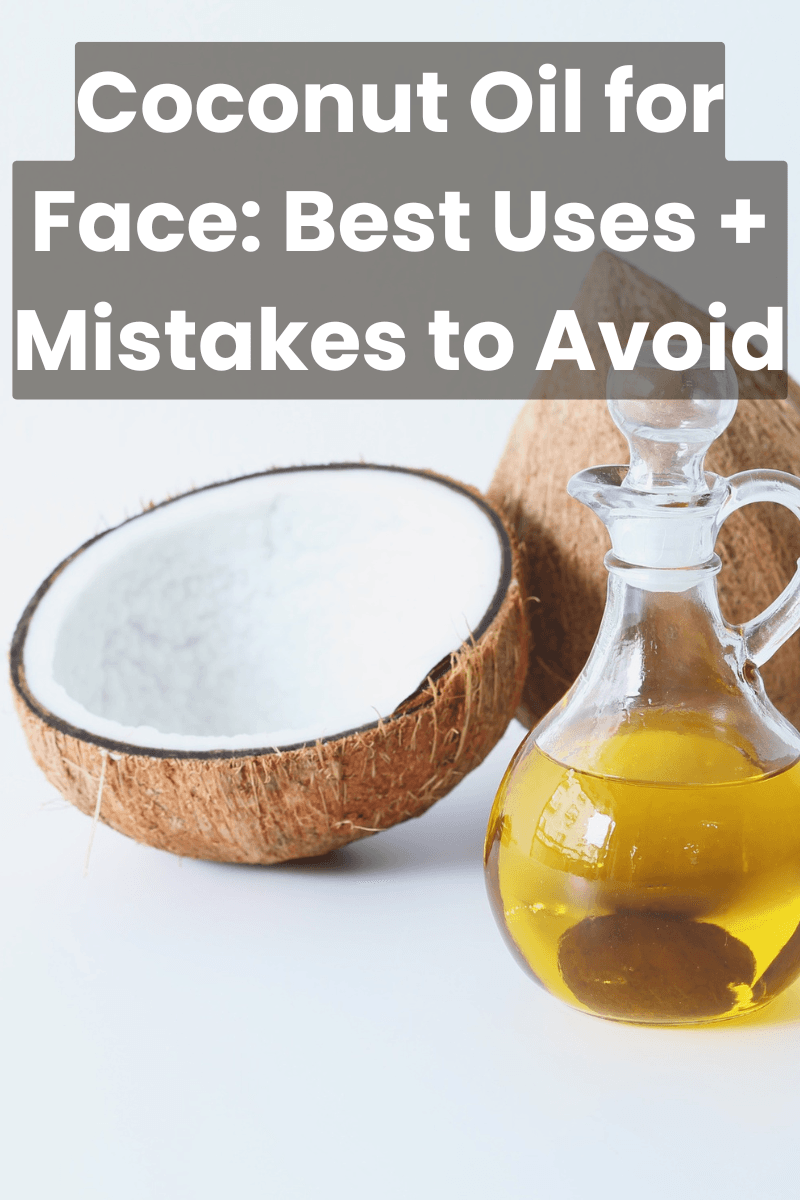
Coconut Oil for Face – A Natural Fix or a Skincare Flop?
Coconut oil for face is one of the most talked-about DIY skincare topics—and for good reason. This multitasking oil is loaded with nourishing fatty acids, anti-inflammatory properties, and a rich texture that feels luxurious on the skin. You’ve seen it in hair masks, body scrubs, lip balms, and more. But when applied to your face, it can either be your best friend or your biggest skincare mistake.
In this post, we’ll explore everything you need to know about using coconut oil for your face: its benefits, best uses, easy DIY recipes, and the red flags to avoid. Whether you love natural skincare or are experimenting with budget-friendly beauty hacks, this guide will help you use coconut oil safely and effectively.
Table of Contents
Why Coconut Oil is Popular for Face Care
For centuries, coconut oil has been revered in traditional beauty rituals across tropical regions—especially in South Asia, the Philippines, and the Pacific Islands. What makes it so effective for skincare, particularly the face, is its unique nutritional profile and natural skin-healing abilities.
What’s Inside Coconut Oil That Benefits the Skin?
Coconut oil is extracted from the meat (kernel) of mature coconuts through cold-pressing or expeller pressing. The result is a rich, silky oil loaded with:
- Lauric acid – This medium-chain fatty acid gives coconut oil its well-known antibacterial, antifungal, and anti-inflammatory properties. It helps protect the skin against microbial infections and may reduce redness or inflammation.
- Caprylic & capric acids – These fatty acids support healthy skin by moisturizing and balancing the skin’s lipid layer.
- Vitamin E – A powerful antioxidant that protects skin cells from damage and supports healing.
- Polyphenols & phytosterols – Natural plant compounds that help soothe irritation and fight oxidative stress.
This composition makes coconut oil for face a go-to natural remedy, especially for those battling dryness, flakiness, redness, or compromised skin barriers.
Why It Works for Some (But Not All) Skin Types
When applied to the skin, coconut oil forms a semi-occlusive barrier. This helps trap moisture, reduce transepidermal water loss (TEWL), and improve skin softness and elasticity. That’s why it’s highly beneficial for people with:
- Dry or dehydrated skin
- Sensitive skin prone to redness
- Skin affected by cold or windy weather
- A compromised skin barrier (due to over-exfoliation, sun damage, etc.)
However, here’s where things get tricky.
Despite all its benefits, coconut oil for face is comedogenic, meaning it can clog pores. Its thick texture may trap dirt, bacteria, and dead skin cells inside the pores—especially if applied to oily, congested, or acne-prone skin.
If you’re someone with:
- Oily T-zone
- Large open pores
- Blackheads, whiteheads, or cystic acne
- Overactive sebaceous glands
…then daily use of coconut oil on your face may trigger breakouts or worsen existing acne.
The Key Is Application + Skin Type Awareness
Coconut oil isn’t a one-size-fits-all miracle. Its effectiveness greatly depends on:
- Your skin type
- The quality and purity of the oil
- How and when you apply it
- Whether it’s used alone or in combination with hydrating ingredients like aloe or honey
💡 For example: Applying coconut oil over a hydrating toner or gel can lock in moisture without feeling greasy, especially on dry skin.
💡 But slathering it on oily, uncleaned skin can quickly lead to clogged pores.
In short, coconut oil can be incredibly nourishing for the face—when used strategically and on the right skin type. If you understand your skin’s needs and listen to how it responds, coconut oil can easily become a star ingredient in your natural skincare routine.
Skin Pantry Picks: Best Coconut Oils for Face
Not sure which coconut oil to use for your skincare DIYs? Choosing the right type makes all the difference—especially when you’re applying it to delicate facial skin. Always go for coconut oils that are:
- Cold-Pressed – to retain nutrients and antioxidants
- Virgin or Extra Virgin – made from fresh coconut meat
- Unrefined – free from bleaching, heating, or added chemicals
Here are our trusted Skin Pantry favourites that are gentle, effective, and ideal for face care:
✅ Maxcare Virgin Coconut Oil (Cold Pressed)
- Pure, unrefined, and chemical-free
- Light texture, non-greasy for most skin types
- Popular among DIY skincare lovers
✅ Merit VCO Extra Virgin Coconut Oil
- Cold-pressed and minimally processed
- Great absorption and non-sticky feel
- Packed in eco-conscious glass jars
✅ Organic India Virgin Coconut Oil
- USDA Organic Certified
- Ideal for face, baby care, and dry skin routines
- Mild aroma and safe for sensitive skin
📌 These oils are handpicked for purity, skin compatibility, and clean sourcing—ideal for anyone building a natural skincare routine.
Top Benefits & Ways to Use Coconut Oil for Face
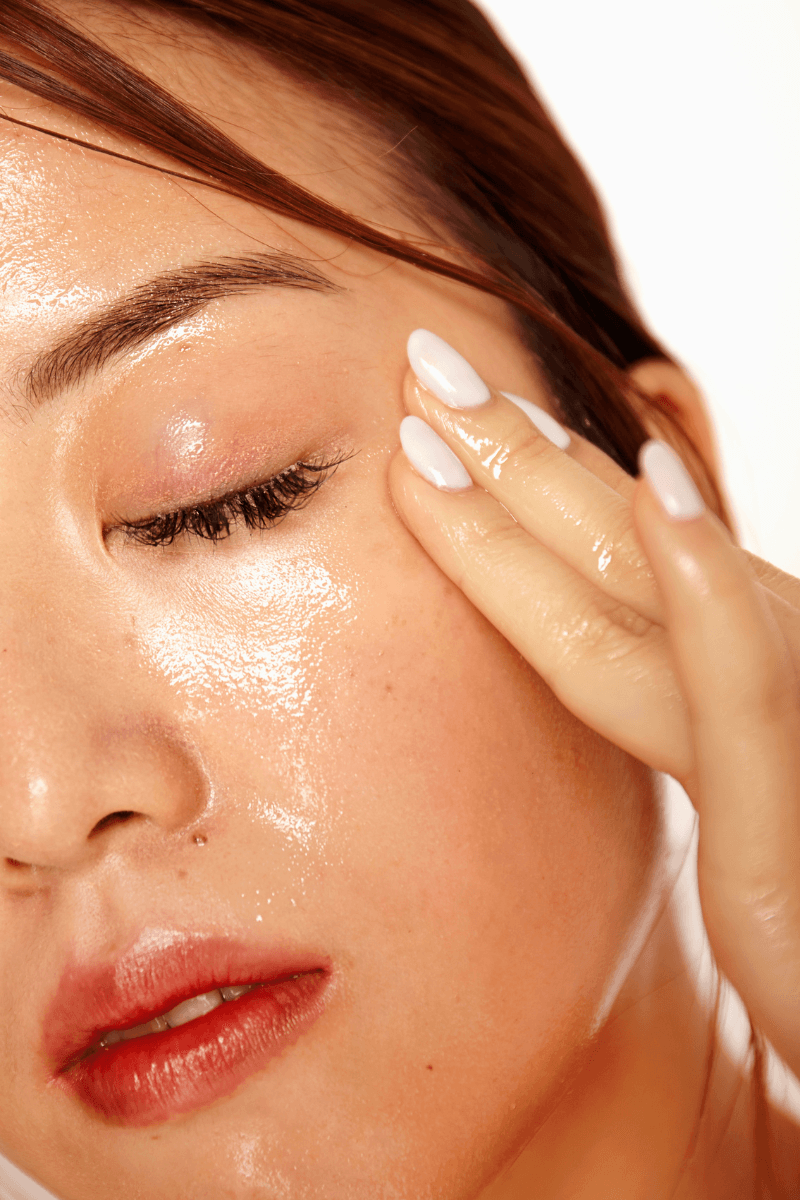
When used correctly, coconut oil for face can be a deeply nourishing addition to your skincare routine. From removing makeup to treating dry patches, this multitasking oil serves many roles. Let’s explore the safest and most effective ways to make it part of your natural skincare toolkit.
1. As a Natural Makeup Remover
If you’re looking for a gentle yet powerful way to remove makeup at the end of the day, coconut oil might just be your new best friend. Its oil-based composition easily dissolves even the most stubborn makeup products—think waterproof mascara, eyeliner, matte lipstick, and long-wear foundation—without harsh rubbing or stinging.
But the magic doesn’t stop there. Coconut oil also lifts away sunscreen, dirt, and environmental grime while leaving your skin soft and soothed, not stripped.
✔ How to Use:
- Scoop a small pea-sized amount of coconut oil into your palm.
- Rub between your fingers to melt it slightly.
- Massage onto dry skin (including around the eyes) in circular motions.
- Wipe away with a warm, damp microfiber cloth or cotton pad.
- Follow up with your regular gentle cleanser (double cleansing method recommended for acne-prone skin).
2. Deep Night Moisturizer for Dry Skin
Coconut oil is an occlusive, meaning it forms a protective seal over the skin, preventing water loss and helping lock in hydration. If you struggle with tightness, flakiness, or rough patches, especially in the colder months, coconut oil can offer intense overnight nourishment.
It’s particularly useful for dry areas like the cheeks, jawline, and forehead. When used over a hydrating base like aloe gel or a water-based serum, it helps retain moisture and promote skin barrier repair while you sleep.
✔ Pro Tip:
- Apply coconut oil after a toner, essence, or aloe gel—not directly onto dry skin.
- Use just a thin layer (less than a pea-sized amount).
- Focus only on dry or flaky areas rather than the whole face if you have combination skin.
Top Aloe Vera Gels for Face
✅ Kapiva Pure Aloe Vera Gel
- Made from freshly pulped Rajasthani aloe vera
- Free from parabens and sulfates
- Lightweight, absorbs quickly
✅ Urban Botanics Pure Aloe Vera Gel
- 99% pure and cold-extracted
- No artificial color or fragrance
- Great as a soothing gel or primer base
✅ Mamaearth Aloe Vera Gel with Vitamin E
- Contains turmeric & vitamin E along with aloe
- Suitable for both skin and hair
- Non-sticky and gentle for daily use
✅ Khadi Natural Aloe Vera Gel
- Herbal and Ayurveda-inspired
- Mild scent, great for inflamed or sunburned skin
- Budget-friendly option
✅ Wow Skin Science Aloe Vera Gel
- 99% pure, multipurpose (face, hair, after-sun)
- Free from parabens, silicones, and synthetic fragrance
- Comes in a hygienic pump tube
Coconut oil is known for its moisturizing and anti-inflammatory properties. According to Healthline, it may help in improving skin hydration and barrier function.
3. Lip Balm & Under-Eye Nourisher
The skin around your lips and eyes is thinner and more delicate, making it more prone to dryness and fine lines. Coconut oil’s emollient nature makes it ideal for softening and protecting these areas—without the synthetic additives found in many store-bought balms.
✔ How to Use:
- Gently pat a tiny dot of coconut oil under your eyes before bedtime to reduce dryness.
- For lips, apply a small amount like a lip balm to heal cracks and prevent chapping.
- Use it alone or mix with a drop of Vitamin E oil for an added antioxidant boost.
This simple routine not only hydrates but also helps maintain skin elasticity and reduce early signs of aging around the mouth and eyes.
4. Nourishing DIY Face Masks
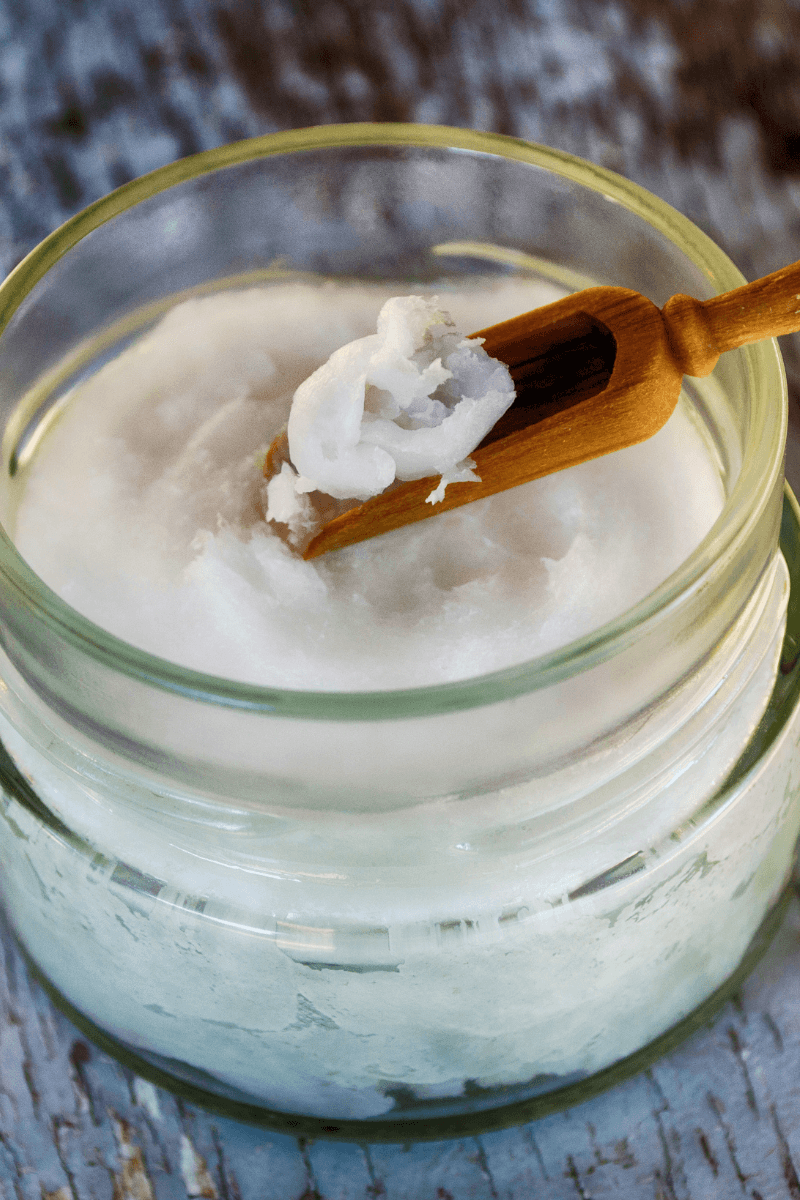
Coconut oil pairs beautifully with other skin-loving kitchen ingredients, making it the perfect base for homemade face masks. When mixed with humectants like honey and anti-inflammatory spices like turmeric, it turns into a deeply soothing, glow-boosting treatment.
Hydrating Coconut Face Mask Recipe
- 1 tsp coconut oil
- 1 tsp raw honey
- A pinch of turmeric powder
Instructions:
- Mix all ingredients into a smooth paste.
- Apply a thin layer to clean, dry skin.
- Leave on for 10–15 minutes.
- Rinse off with lukewarm water and pat dry.
This mask hydrates, softens, and brightens the skin while gently reducing inflammation—making it especially useful for dull or irritated complexions.
💡 Explore more glow-boosting DIYs in our Kitchen Ingredient DIY Series
These uses show how versatile coconut oil for face can be when incorporated thoughtfully into your routine. The secret lies in using the right amount, pairing it with the right ingredients, and always listening to what your skin needs. Whether you’re creating a gentle cleansing balm or a healing face mask, coconut oil can offer simple, effective care from your kitchen shelf.
4 Mistakes to Avoid with Coconut Oil for Face
While coconut oil is celebrated as a natural skincare hero, it’s not without its caveats—especially when it comes to using it on the delicate facial skin. Many DIY beauty routines go wrong not because of the ingredient itself, but due to how it’s applied or misused.
Here are the most common mistakes people make when using coconut oil for face, and how you can avoid them to ensure your skin stays happy and healthy:
1. Using Too Much at Once
Coconut oil is highly concentrated and rich in medium-chain fatty acids. While that makes it excellent for sealing in moisture, it also means that applying too much can create a thick, greasy layer on your skin.
This heavy occlusion can:
- Block pores, especially if layered over unclean skin
- Cause buildup of dirt and dead skin cells
- Lead to a shiny or sticky finish, particularly uncomfortable in humid climates
✅ What to Do Instead:
- Use just a tiny amount—less than a pea-sized portion for your entire face
- Apply only on clean, damp skin, ideally after toner or aloe gel
- Focus on dry areas rather than covering your entire face
2. Skipping the Patch Test
Even though coconut oil is natural, it doesn’t mean it’s universally safe. Skin sensitivities, allergies, or hidden irritations can still occur, especially if you’re using a new brand or product for the first time.
Some people may experience:
- Redness or itching
- Bumps or minor breakouts
- Fungal flare-ups (especially if your skin is prone to conditions like malassezia or seborrheic dermatitis)
✅ What to Do Instead:
- Always do a 24-hour patch test on your jawline, inner arm, or behind the ear
- Observe for any signs of irritation or discomfort before applying it to your entire face
- If you have sensitive or eczema-prone skin, consult a dermatologist before introducing oils
3. Applying to Acne-Prone or Oily Skin
This is the biggest mistake people make when trying to use coconut oil for face. Coconut oil scores fairly high on the comedogenic scale (typically 4 out of 5), meaning it can clog pores easily. If your skin is already prone to oiliness, congestion, or breakouts, using coconut oil may worsen the condition.
Instead of clearing your skin, it could lead to:
- Increased blackheads or whiteheads
- Cystic acne flare-ups
- Shiny, unbalanced T-zones
✅ What to Do Instead:
- Avoid using coconut oil as a daily moisturizer on acne-prone areas
- Use it only on dry patches (like under eyes or flaky cheeks), if needed
- Try non-comedogenic oils like hemp seed oil, rosehip oil, or aloe vera-based moisturizers
👉 Need a safer alternative? Explore our Natural Spot Treatment with Clove & Tea Tree Oil
4. Choosing the Wrong Type of Coconut Oil
Not all coconut oils are created equal. Many commercially available oils are refined, bleached, or deodorized—which strips them of their natural nutrients and introduces potentially irritating chemicals. Some even contain hidden preservatives or fragrances.
Using poor-quality coconut oil on your face can result in:
- Skin irritation
- Loss of therapeutic benefits
- Contamination from added synthetics
✅ What to Look for Instead:
- Choose cold-pressed, virgin, and unrefined coconut oil
- Look for certifications like USDA Organic or EcoCert
- Go for brands that offer the oil in glass containers, which help preserve its purity
In summary, using coconut oil for face can be deeply beneficial—but only if used the right way. Avoid these common mistakes, be mindful of your skin type, and choose the highest quality oil possible. This way, you’ll enjoy all the glow without any of the grease or breakouts.
Is Coconut Oil Right for Your Skin?
Here’s a quick compatibility guide:
| Skin Type | Coconut Oil for Face |
|---|---|
| Dry/Dehydrated | ✅ Excellent for moisture retention |
| Normal/Combination | ✅ Works well with moderate use |
| Sensitive | ⚠️ Do a patch test first |
| Oily/Acne-Prone | ❌ Best to avoid or use sparingly |
When to Use Coconut Oil for Face
Timing matters more than you think. Even the best natural ingredients can lose effectiveness—or cause problems—if used at the wrong time. Coconut oil for face is no different. While it’s deeply nourishing, it’s best suited for specific times and skin conditions.
Here are the ideal scenarios for applying coconut oil to your face:
1. Night-Time Skincare Routine
The best time to use coconut oil on your face is before bed. At night, your skin enters “repair mode,” and this is when coconut oil’s occlusive nature shines—it locks in moisture, supports barrier repair, and helps reduce overnight water loss (also known as transepidermal water loss or TEWL).
✅ How to Use:
- Apply a thin layer of coconut oil after a hydrating toner or serum.
- Use it as the final step in your routine to seal in all other products.
- Works especially well on dry cheeks, forehead, and under-eyes.
2. Winter Skincare Support
Cold air, indoor heating, and wind exposure can leave your skin feeling tight, flaky, or even raw. Coconut oil provides a protective, soothing shield that helps prevent moisture evaporation and calms winter-induced dryness.
If your skin feels parched or starts to peel, coconut oil can soften rough patches and restore suppleness overnight.
✅ Pro Tip:
- Mix it with a few drops of jojoba or almond oil for added nourishment during colder months.
- Apply to chapped areas like nose corners, lips, or eyebrows.
3. After Sun Exposure
Coconut oil is not a sunscreen, but it’s a great post-sun soother. Its anti-inflammatory and cooling properties can help calm:
- Mild sunburns
- Redness
- Heat irritation
It also reduces the tight, uncomfortable feeling that often follows sun exposure.
🚫 Important Reminder:
Do not use coconut oil as a sunscreen or sunblock—it does not offer SPF protection and may even increase sun sensitivity if applied during the day, especially under direct UV rays.
2 Bonus DIYs Using Coconut Oil for Face
Looking for a quick skin treat? These easy homemade recipes combine coconut oil with other skin-loving kitchen ingredients for glow-boosting, calming results.
1. Coconut & Oatmeal Gentle Scrub
This scrub is perfect for exfoliating dry or sensitive skin without causing micro-tears. Oats soothe inflammation, honey hydrates, and coconut oil leaves your skin baby soft.
Ingredients:
- 1 tbsp coconut oil
- 1 tbsp finely ground oats
- 1 tsp raw honey
How to Use:
- Mix all ingredients into a smooth paste.
- Gently massage onto damp skin using light circular motions.
- Rinse with lukewarm water and pat dry.
💡 Use once a week to remove dead skin buildup and restore glow.
2. Coconut & Aloe Vera Soothing Gel
A perfect remedy for irritated, red, or sun-exposed skin. Aloe cools and hydrates, while coconut oil seals in the benefits and adds softness.
Ingredients:
- 1 tbsp coconut oil
- 2 tbsp fresh aloe vera gel (or organic store-bought gel)
How to Use:
- Blend together until fully mixed (use a whisk or spoon).
- Store in a clean jar in the fridge for up to 5 days.
- Apply as a lightweight moisturizer or calming gel.
Compare fresh vs store-bought aloe: [Aloe Vera for Skin – Fresh vs Store-Bought]
Should You Really Use Coconut Oil for Face?
Yes—but only if your skin agrees with it. While coconut oil is a natural powerhouse, it’s not universally compatible with every skin type.
Here’s a quick summary to guide you:
✅ Use coconut oil for face if:
- Your skin is dry, flaky, or mature
- You need a natural barrier sealant at night
- You’re dealing with cold weather dryness
- You’ve patch-tested it with no adverse reaction
❌ Avoid or limit coconut oil if:
- Your skin is acne-prone, oily, or congested
- You’ve noticed breakouts after oil-based products
- You’re exposed to hot, humid conditions where oils can feel heavy
Use It As a Treatment—Not a Habit
Even if your skin loves coconut oil, using it daily may not be necessary. Consider it a targeted treatment rather than a staple moisturizer. Use it when your skin feels dry, irritated, or in need of some extra TLC—and rotate it with lighter, non-comedogenic products during warmer months.
Want lightweight alternatives? Explore our Homemade Hydrating Face Gel with Aloe & Cucumber
While coconut oil can be useful for many, those with oily or acne-prone skin should be cautious. Sources like Medical News Today provide further insights on its potential benefits and risks
Your Skin Knows Best
Your skin evolves with the seasons, hormones, age, and even stress levels. What worked for you last winter may not suit your summer routine. Pay close attention to how your face feels before, during, and after using coconut oil, and adjust accordingly.
Using coconut oil for face can be a game-changer when used correctly. Whether it’s part of your evening routine or a key ingredient in your homemade face mask, this humble oil offers real results for the right skin types.
✔ Choose cold-pressed virgin coconut oil
✔ Use sparingly
✔ Avoid applying to oily or acne-prone skin
✔ Pair it with hydrating ingredients like aloe, honey, or oatmeal
With the right method, coconut oil can restore your skin’s softness and natural glow.
📌 Related DIY Reads You’ll Love:
- [Aloe Vera for Skin: Fresh vs Store-Bought — Which Is Better?]
- [Natural Spot Treatment with Clove & Tea Tree Oil]
- [Whipped Body Butter for Intense Winter Dryness]
Disclaimer:
The information provided on skincaresolutions.in is for informational purposes only and reflects personal/home remedies that are commonly used in skincare. It should not replace professional advice. Please do a patch test before trying any new ingredient. If you have sensitive skin, allergies, or medical conditions, consult a dermatologist before use.