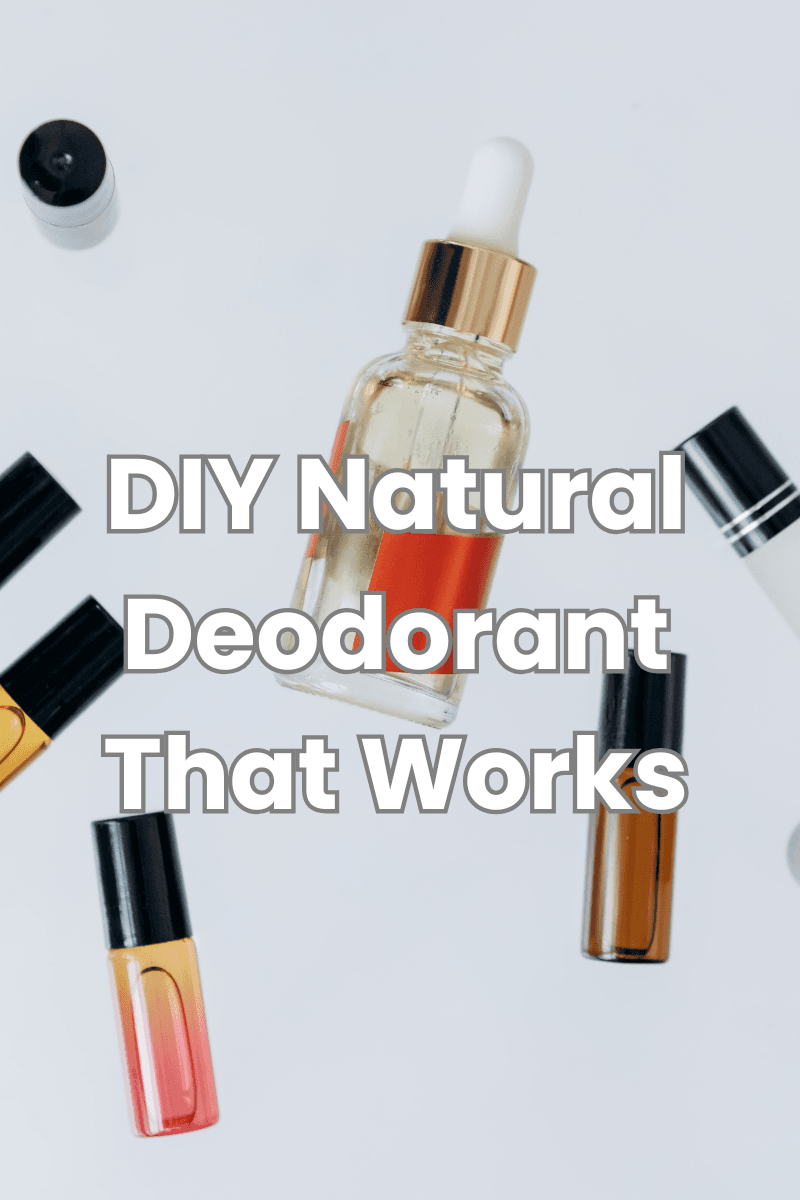
Switch to a Cleaner, Gentler You with this DIY Natural Deodorant
What’s Hiding in Your Deodorant?
DIY natural deodorant is more than a trending recipe—it’s a powerful shift in how we care for one of the most delicate and often overlooked parts of our body: our underarms. For years, we’ve relied on commercial deodorants without questioning what we’re absorbing into our skin. But a closer look reveals a list of ingredients that most of us wouldn’t even want in our homes, let alone on our bodies.
Take a look at the back of a conventional deodorant label: you’ll likely find aluminum compounds, parabens, triclosan, propylene glycol, and artificial fragrances. These chemicals are used to block sweat and mask odor—but they can also clog pores, irritate skin, disrupt hormones, and even contribute to long-term health concerns.
Your underarms are home to sweat glands and lymph nodes that play a crucial role in detoxification. Swiping these sensitive areas with synthetic formulas daily is like placing a lid on your body’s natural release valve. That’s why creating a DIY natural deodorant at home is one of the most thoughtful things you can do for your skin and overall wellness.
With a few gentle, plant-powered ingredients, you can build a routine that’s not just fresh-smelling—but safe, nurturing, and empowering.
Why Choose a DIY Natural Deodorant?
Every time you reach for a conventional deodorant stick, you may be unknowingly applying a mix of aluminum compounds, parabens, synthetic fragrances, and chemical preservatives—straight onto one of the most absorbent areas of your body: your underarms. These delicate patches of skin are home to lymph nodes, sweat glands, and hair follicles, making them especially sensitive to harsh chemicals.
When these synthetic ingredients are absorbed through your skin, they can disrupt your natural microbiome, clog pores, and interfere with the body’s detox process. For many people, this manifests as dark patches, itching, burning, or persistent irritation, especially after shaving.
Over time, this build-up doesn’t just affect your skin—it can impact your overall wellness.
That’s why more people are saying goodbye to chemical-laden deodorants and embracing the clean, kind approach of a DIY natural deodorant. Here’s why it’s more than just a natural swap—it’s a complete underarm revival:
Aluminum-Free: Let Your Skin Breathe Naturally
Most commercial antiperspirants use aluminum salts to block your sweat glands. While that may reduce wetness, it interferes with your body’s natural cooling and detox functions. A DIY natural deodorant allows your body to sweat naturally—without the stink, and without clogging or suppressing your glands.
Gentle on Sensitive Skin: No Burn, No Breakouts
If your underarms ever sting, itch, or break out after applying deodorant, it could be a reaction to synthetic perfumes or alcohol-based formulas. A homemade deodorant gives you total control over what goes in—no irritants, no allergens, no surprises. Just clean, skin-loving ingredients that soothe rather than inflame.
Customizable & Personal: Made for Your Body, Your Way
From scent to texture, your deodorant can reflect your personality and preferences. Prefer lavender and chamomile? Go for it. Want a creamier texture? Add more shea. With a DIY natural deodorant, you become the formulator, tailoring your skincare to match your exact needs.
Budget-Friendly: Save Your Skin & Your Wallet
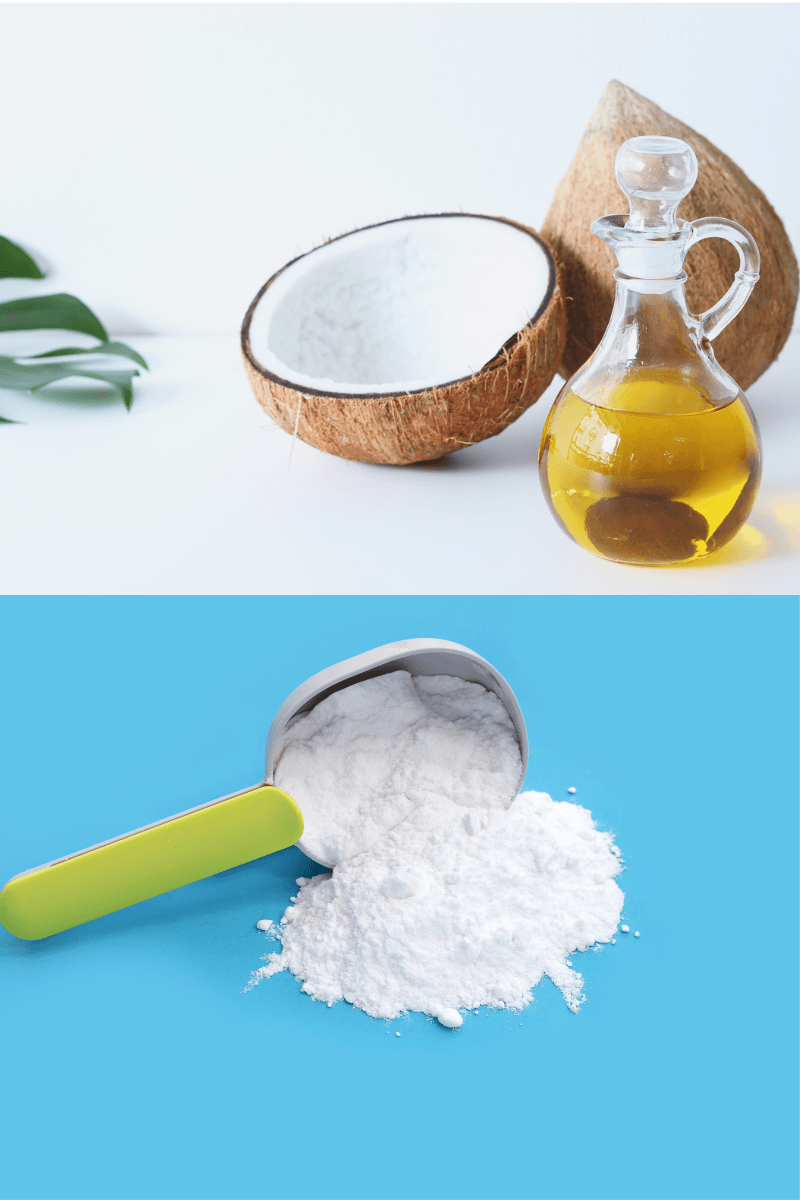
Commercial “clean” or “natural” deodorants can cost a fortune—and still include questionable ingredients. With a DIY version, you can make multiple jars or sticks for the price of one store-bought tube, using simple pantry staples like baking soda, arrowroot powder, and coconut oil. It’s smart skincare that doesn’t break the bank.
Eco-Conscious: Zero Waste, Full Heart
No more single-use plastic packaging, aerosol sprays, or mystery fillers. With DIY, you can use reusable glass jars, refillable sticks, or eco-friendly tins. It’s not only better for your body—it’s a step toward a more sustainable planet. Small switch, big impact.
In truth, switching to a DIY natural deodorant isn’t just about skipping chemicals—it’s about honoring your body, trusting nature, and reclaiming your right to clean, conscious care.
This isn’t just a beauty routine upgrade.
It’s a lifestyle transformation.
Star Ingredients in Your DIY Natural Deodorant
You don’t need fancy equipment or exotic components—just a mixing bowl, a spoon, and some skin-safe, natural ingredients you can trust.
| Ingredient | Why It’s Used |
|---|---|
| Baking Soda | Neutralizes odor-causing bacteria naturally |
| Arrowroot Powder | Absorbs excess moisture and keeps underarms dry |
| Coconut Oil | Antibacterial + moisturizing benefits for smoother skin |
| Shea Butter | Nourishes, heals, and provides a creamy base |
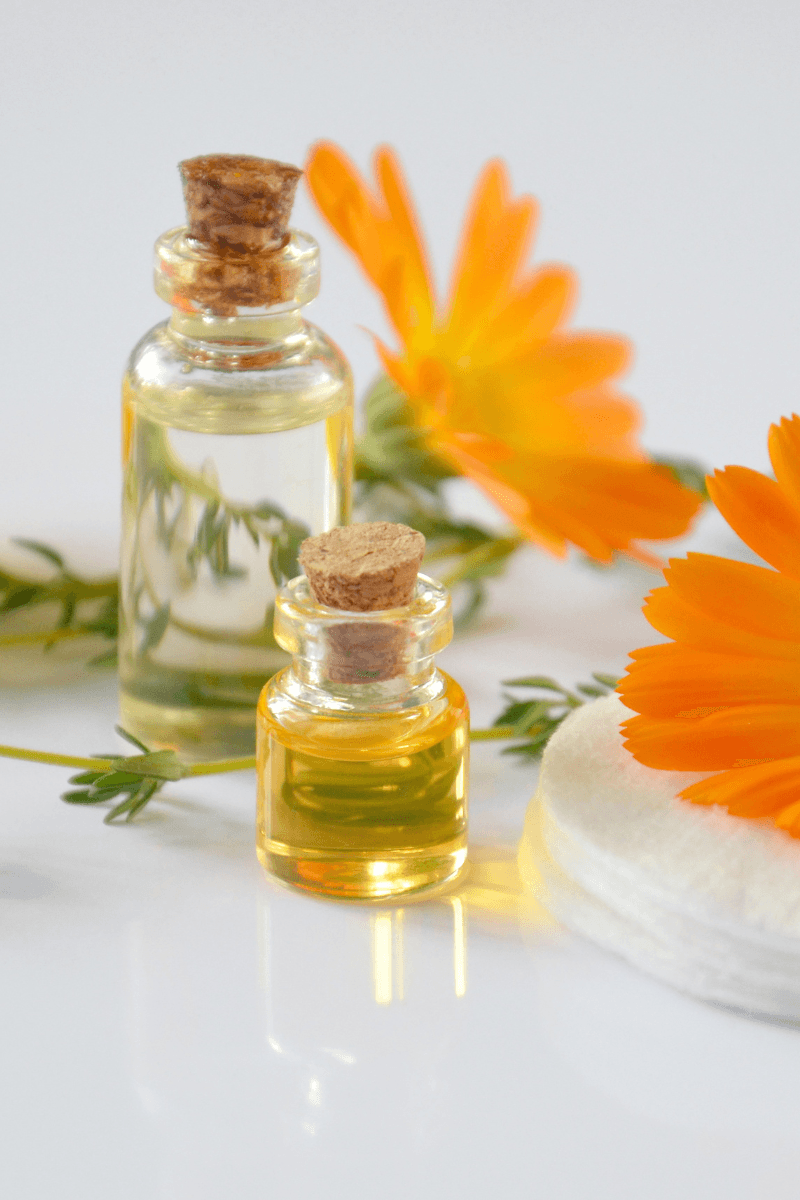
| Essential Oils | Add a natural, soothing fragrance + fight bacteria |
| Optional Add-ins | Beeswax (for stick texture) or Kaolin Clay (soothing) |
Skin Pantry Tip: If you have extremely sensitive skin, reduce the baking soda content or replace it with kaolin clay. Always patch test first!
DIY Natural Deodorant Recipe: Melt, Mix & Glow
Let’s get hands-on! This recipe is nourishing, effective, and beginner-friendly. Feel free to adjust based on your skin type and preferences.
Ingredients:
- 2 tablespoons baking soda
- 3 tablespoons arrowroot powder
- 2 tablespoons coconut oil (melted)
- 1 tablespoon shea butter (melted)
- 5 drops lavender essential oil
- 3 drops tea tree oil (optional for extra antibacterial protection)
Instructions:
- Melt the shea butter and coconut oil in a double boiler or heat-safe bowl placed over hot water.
- Once fully melted, remove from heat and slowly whisk in the baking soda and arrowroot powder.
- Add your essential oils and stir the mixture until smooth and well combined.
- Pour into a clean glass jar or refillable deodorant stick.
- Let it cool at room temperature until solidified. If you want to speed it up, refrigerate it for 20–30 minutes.
Storage Tip: During warmer months, store your DIY natural deodorant in the fridge to maintain its texture.
Natural deodorants work by neutralizing odor with plant-based ingredients and maintaining a balanced skin pH—Bacteria on the skin break down sweat into odorous compounds, and ingredients like tea tree oil or baking soda help reduce that effect without blocking sweat. (Tom’s of Maine – 5 Benefits of Natural Deodorant)
How to Use Your DIY Natural Deodorant
After cleansing your underarms:
- Scoop a pea-sized amount with clean fingers
- Gently apply and massage into your underarm skin
- Let it absorb before wearing clothes to avoid transfer
Pro Tip: Using a stick format? Press it against your skin for a few seconds before swiping to let body heat soften it.
The Detox Phase: Don’t Panic—It’s Normal
When transitioning to a DIY natural deodorant, some people experience a brief “detox period.” This is totally natural. Your skin is learning how to sweat and breathe freely again without chemical blockages.
You may experience:
- Temporary increase in sweat
- Mild body odor
- Slight sensitivity or redness
Support your underarm detox with:
- Clay + apple cider vinegar masks once or twice a week
- Wearing breathable cotton fabrics
- Staying hydrated to help flush toxins
Stick with your new routine for 2–3 weeks and your skin will adapt beautifully.
Customize It to Fit You
Your Skin. Your Rules. Your Recipe.
One of the most empowering parts of making your own DIY natural deodorant is that it’s completely customizable. Unlike one-size-fits-all commercial sticks, your homemade blend can be tailored to match your skin type, scent preferences, lifestyle, and even the weather where you live.
Whether your skin is extra sensitive, you need extra odor protection, or you want a creamier or firmer consistency—this section will guide you on how to tweak your recipe so it feels like it was made just for you. Because it was.
For Sensitive Skin
If you’ve ever experienced redness, itching, or a burning sensation under your arms after using deodorant, you’re not alone. Sensitive skin reacts quickly to strong ingredients like baking soda or essential oils in high concentrations.
Here’s how to create a gentle, soothing version:
- Reduce or remove baking soda completely: Baking soda is alkaline and can upset your skin’s natural pH. Start with just ½ tbsp or replace it entirely.
- Swap in Kaolin clay or Zinc oxide: Both are calming, non-irritating, and help absorb moisture without causing inflammation.
- Add calming oils: A few drops of chamomile, rose, or lavender essential oil can reduce irritation, ease inflammation, and provide a soft, natural scent.
Skin Pantry Tip: Always patch test a small amount on your inner arm first, especially when working with essential oils.
For Extra Moisture
If you have dry or flaky underarm skin—especially after shaving or during colder months—you’ll want to boost the hydration in your formula.
Here’s how to make your deodorant more nourishing:
- Add ½ tsp of Vitamin E oil: This antioxidant-rich oil soothes dryness, promotes healing, and extends the shelf life of your deodorant.
- Use Mango Butter instead of or in addition to Shea Butter: Mango butter has a silkier feel, is deeply moisturizing, and gives your deodorant a luxurious texture.
Bonus Option: A drop of jojoba oil can mimic skin’s natural sebum and help maintain moisture balance.
For Stronger Odor Protection
If you’re someone who sweats more, works out often, or lives in a hot and humid climate, you’ll want your DIY deodorant to go the extra mile.
Here’s how to amp up the deodorizing power naturally:
- Add a pinch of Neem Powder: Known for its strong antibacterial and antifungal properties, neem helps combat odor-causing bacteria.
- Use stronger essential oils: Tea tree, eucalyptus, lemongrass, or peppermint oils don’t just smell amazing—they actively fight bacteria that cause body odor.
Scent idea: A blend of eucalyptus + lemon for a fresh, invigorating vibe.
For Stick Texture (Solid Deodorant Lovers)
Prefer the convenience of a solid stick over a cream? You can easily firm up your formula by adding a natural wax to hold it together.
Here’s how to get that classic stick texture:
- Add 1 tablespoon of Beeswax: While melting your coconut oil and shea butter, stir in grated beeswax. It solidifies the final product, especially useful for warmer climates.
- Vegan Option: Use Candelilla Wax instead of beeswax for a cruelty-free, plant-based alternative that works just as well.
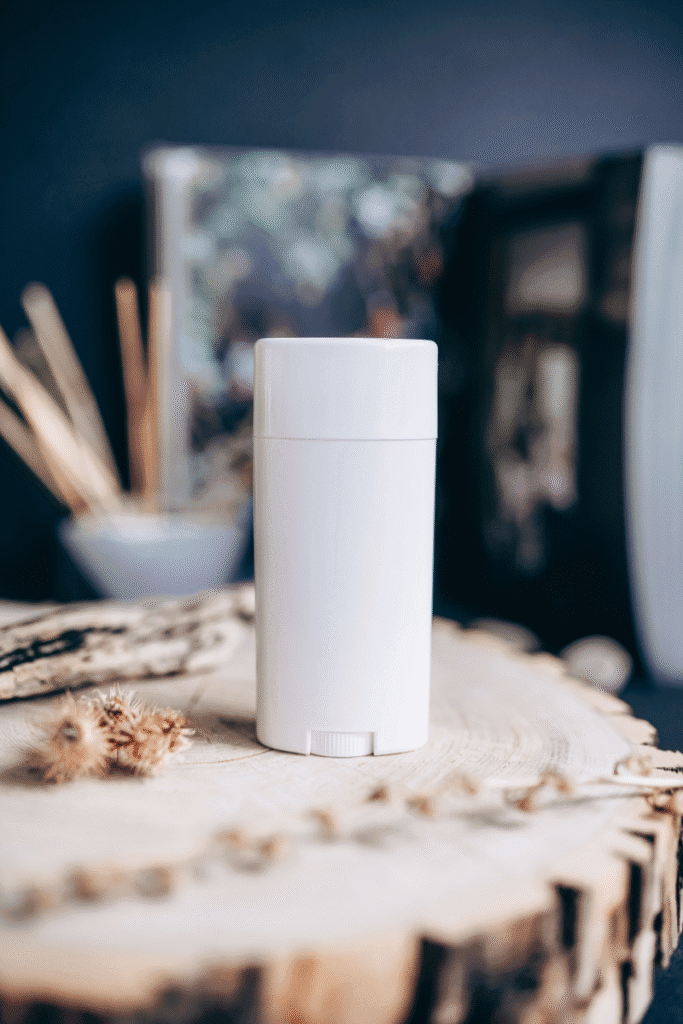
Storage tip: Always pour your mixture into a clean, reusable deodorant tube while it’s still liquid. Let it set completely before using.
By making these small yet powerful changes, your DIY natural deodorant becomes more than just another skincare product—it becomes an extension of your body’s needs, a loving response to what your skin truly wants.
Whether it’s calm, moisture, strength, or structure—there’s a version of this deodorant that’s just right for you.
Real Benefits You’ll Notice Over Time
Your DIY natural deodorant won’t just smell good—it’ll change how your skin feels, reacts, and breathes.
- Odor-free freshness all day, even in summer
- Fewer ingrown hairs and rashes
- Fading of dark underarms with continued use
- Restored skin barrier and improved texture
- A peaceful mind knowing you’re using clean, conscious care
Explore More DIYs from Skin Pantry
Struggling with oily or acne-prone skin? Don’t miss this natural Multani Mitti & Neem remedy that gently balances sebum and clears breakouts.
While natural deodorants avoid aluminum, they might need a short adjustment phase—experts explain that switching from antiperspirants can initially increase odor as your skin microbiome rebalances. (Allure – Megababe Underarm Mask Helps with Natural Deodorant Transition)
FAQs About DIY Natural Deodorant
Q1. Does natural deodorant stop sweating completely?
No, natural deodorants don’t block sweat glands like antiperspirants. Instead, they allow your body to sweat naturally while neutralizing odor with antibacterial ingredients like baking soda, arrowroot powder, or tea tree oil.
Q2. How long does it take for your body to adjust to natural deodorant?
Most people notice an adjustment phase of about 1–2 weeks. During this time, odor may feel stronger as your body detoxes from aluminum-based products, but it usually balances out quickly.
Q3. Is baking soda safe for underarms?
Baking soda is a powerful odor neutralizer, but it can be irritating for sensitive skin. If irritation occurs, reduce the amount, mix it with more arrowroot powder, or try a baking soda-free version.
Q4. Can I use coconut oil alone as a deodorant?
Coconut oil has mild antibacterial properties and can provide light odor protection, but on its own it may not last long. Combining it with powders like arrowroot or cornstarch increases effectiveness.
Q5. How do I store homemade deodorant?
Store it in a clean, airtight container away from direct heat or sunlight. In warmer climates, it may soften or melt—if that happens, refrigerate it for a firmer texture.
Q6. Is DIY deodorant safe for teenagers?
Yes, natural deodorants are generally safe for teens since they’re free from aluminum and synthetic fragrance. Always encourage a patch test first, especially if essential oils are included.
Q7. What if natural deodorant doesn’t work for me?
Not every formula works for everyone. Try adjusting the recipe, experimenting with ingredients (like replacing baking soda with bentonite clay), or reapplying during the day for extra freshness.
Say Goodbye to Harsh Chemicals
Your skin doesn’t need artificial fragrances or aluminum to stay fresh. What it really craves is natural nourishment—and this DIY natural deodorant delivers exactly that. In just a few simple steps, you’ve created a product that’s cleaner, safer, and more connected to nature.
So the next time you glide on your homemade deodorant, know that you’re embracing a version of skincare that heals, respects, and empowers. You’re saying yes to holistic self-care—and choosing Skin Pantry as your natural beauty ally.
Swipe. Smile. Stay fresh, naturally—with Skin Pantry by your side.
Disclaimer:
The information provided on skincaresolutions.in is for informational purposes only and reflects personal/home remedies that are commonly used in skincare. It should not replace professional advice. Please do a patch test before trying any new ingredient. If you have sensitive skin, allergies, or medical conditions, consult a dermatologist before use.