Why Your Skin Feels Like Sandpaper in Winter
Top 5 Winter skincare DIY is the key to combating that rough, patchy, and tight skin feeling that arrives with cold weather. You’re not imagining it—dry winds outdoors and heaters indoors suck out every drop of natural moisture from your skin, leaving it dry, itchy, and flaky.
That’s why a winter skincare DIY routine isn’t just a seasonal trend—it’s essential. Forget the expensive store-bought solutions loaded with chemicals. Your kitchen already holds the most nourishing and healing ingredients your skin is craving this season. These DIY recipes are easy, natural, and budget-friendly—perfect for glowing all winter long.
Explore more DIYs under our Seasonal Skincare category
Why Skin Suffers in Winter
As soon as winter arrives, your skin begins to lose its natural softness—becoming tight, flaky, and sensitive. But why exactly does this happen?
The answer lies in the combination of harsh environmental conditions and lifestyle habits that disrupt your skin’s moisture balance. Unlike the humid air of warmer seasons, winter air holds very little moisture, both outdoors and indoors. When the humidity drops, your skin loses its natural ability to stay hydrated.
Here’s a breakdown of the key culprits:
- Cold Air + Wind: Outdoor air is not just chilly—it’s dry. Combine that with strong winds, and you’ve got a recipe for dehydration and surface damage. This can lead to micro-cracks in the skin barrier, causing itchiness and sensitivity.
- Indoor Heating Systems: While heaters make the environment warm and cozy, they also suck the moisture out of the air—and your skin. Extended exposure to heated indoor air leads to accelerated transepidermal water loss (TEWL), making your skin feel papery and rough.
Learn how to balance TEWL naturally in our Face Care DIYs collection - Hot Showers & Baths: It’s tempting to indulge in steaming hot showers during winter, but high water temperatures strip away natural oils that protect your skin. Without these oils, your skin becomes vulnerable to dryness and irritation.
Discover more recipes in our Body care DIY category - Reduced Water Intake: In colder months, we often drink less water. This lowers internal hydration levels, further reducing your skin’s natural glow and suppleness.
- Thicker Clothes = More Friction: Heavy fabrics like wool or layered clothing can irritate sensitive skin, especially when there’s already dryness or eczema. This can lead to increased flaking and redness, particularly on elbows, knees, and arms.
- Lack of Sunlight = Vitamin D Drop: Limited sun exposure during winter also decreases Vitamin D production, which plays a role in skin cell regeneration. This means slower healing and duller complexions.
See how Turmeric Benefits for Skin support healing and radiance
Top 5 Winter Skincare DIY Remedies to Rescue Your Skin
Now that you know why your skin struggles in winter, it’s time to switch things up—with nature’s best solutions.
At Skin Pantry, we believe in the healing power of your kitchen shelf. These Top 5 Winter Skincare DIY Remedies are designed to target every dry-skin woe—flaky lips, dull cheeks, itchy arms, and more—using only clean, chemical-free ingredients.
Browse more recipes in our Seasonal Skincare DIY category
Each recipe is packed with hydrating oils, calming botanicals, and moisture-locking superfoods to restore your glow, strengthen your skin barrier, and protect your skin through the chilliest months.
Whether you’re looking for a deep-moisture face mask, a gentle cleanser, or a nourishing night cream, this list has you covered from head to toe.
Let’s get mixing, glowing, and embracing the season with softness!acing the season—naturally.
1. Nourishing Oatmeal & Honey Cleanser
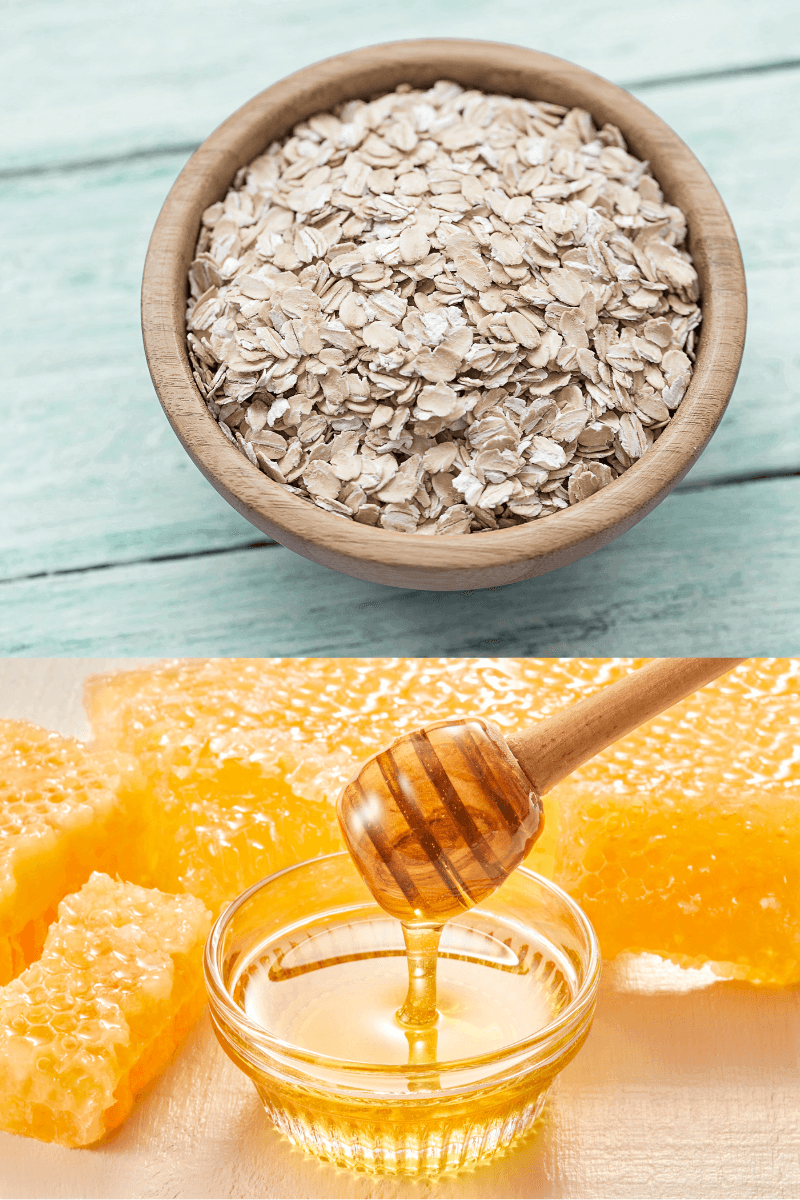
Start your winter skincare DIY routine with a cleanser that’s gentle, soothing, and moisturizing.
Ingredients:
- 1 tbsp oatmeal (finely ground)
- 1 tbsp raw honey
- A few drops of rose water (optional)
Instructions:
- Mix oatmeal and honey into a paste.
- Add rose water for extra hydration.
- Apply on damp skin and massage gently.
- Rinse with lukewarm water.
Why It Works: Oatmeal calms irritation and raw honey draws moisture into your skin. This cleanser preps your face for deep hydration.
Skin Pantry Insight: If your skin feels itchy or red, this recipe helps soothe inflammation thanks to the natural anti-inflammatory properties in both honey and oats.
2. Deep Moisturizing Avocado Face Mask
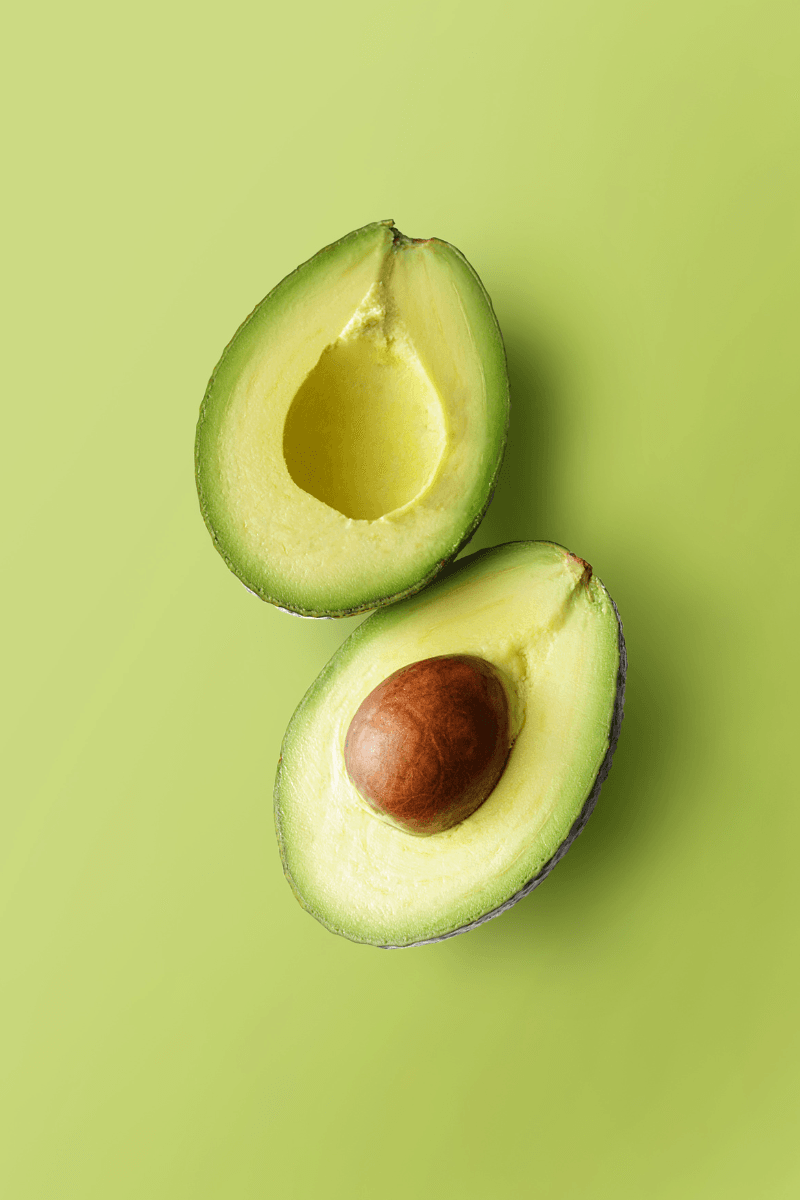
When your skin’s barrier feels compromised, this creamy mask brings the bounce back.
Ingredients:
- ½ ripe avocado
- 1 tsp olive oil
- 1 tsp yogurt
Instructions:
- Mash avocado until smooth.
- Mix in olive oil and yogurt.
- Apply the mask and leave it on for 15–20 minutes.
- Rinse with warm water.
According to Allure – Winter Skin Care Tips, hydrating masks with natural oils and honey help replenish moisture and prevent dryness during colder months.
Skin Pantry Tip: Make this your weekly go-to in your winter skincare DIY ritual for long-lasting moisture and glow.
Did you know? Avocado is rich in oleic acid which strengthens the skin’s outermost barrier and prevents moisture loss.
3. Milk & Almond Night Cream
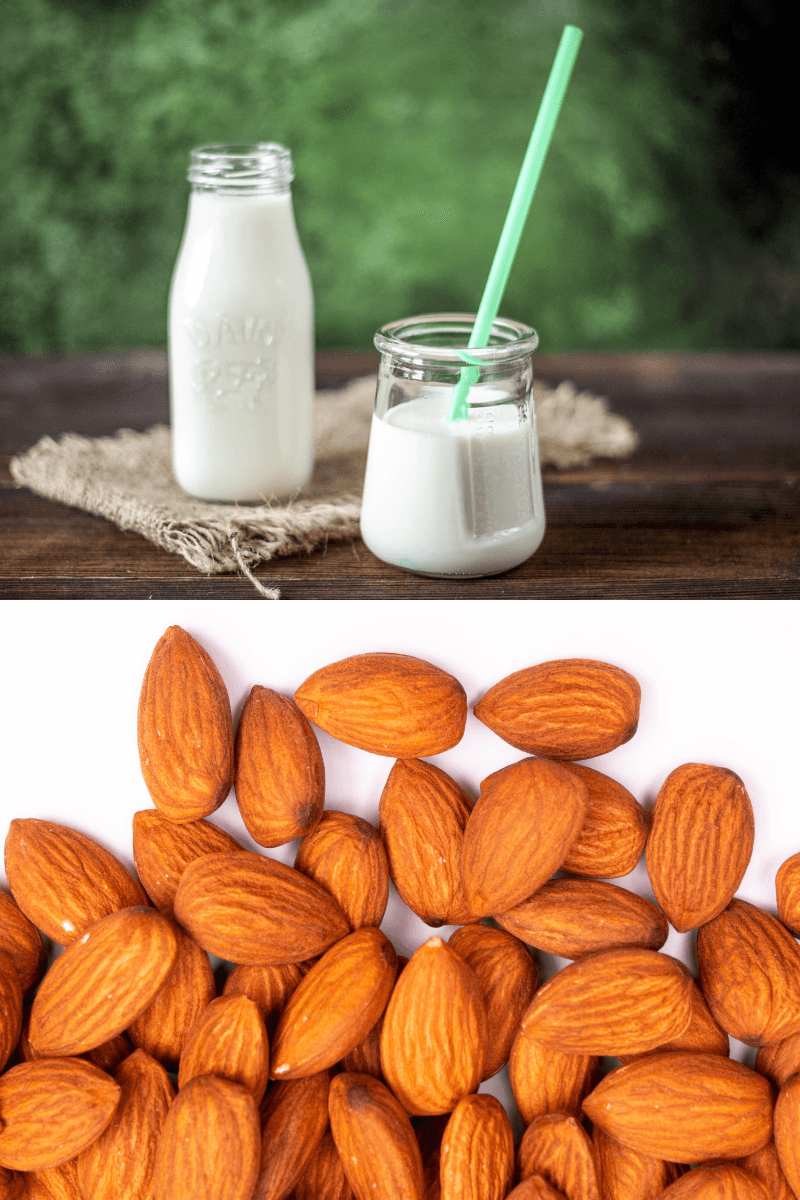
Say goodbye to overnight dryness with this deeply hydrating, natural night cream.
Ingredients:
- 1 tbsp fresh milk cream (malai)
- ½ tsp almond oil
- 2 drops vitamin E oil
Instructions:
- Blend all ingredients well.
- Store in a small clean glass jar.
- Gently massage onto face before sleeping.
Why It Works: Milk cream softens and nourishes while almond oil and vitamin E repair and replenish your skin overnight.
Read our guide on Turmeric Benefits for Skin for more night-time glow tips.
Bonus: Add a drop of lavender essential oil to promote restful sleep while enhancing skin healing.
4. Ghee & Rose Lip Balm for Flaky Lips
Don’t let cracked lips dull your winter smile—this balm brings them back to life naturally.
Ingredients:
- 1 tsp pure ghee
- A few drops of rosewater
Instructions:
- Mix well and store in a tiny clean container.
- Apply as often as needed, especially at night.
Why It Works: Ghee nourishes deeply while rosewater adds a cooling, calming effect. A must-have in your winter skincare DIY stash!
Tip: For tinted lips, add a tiny pinch of beetroot powder to the mix for a natural rosy hue.
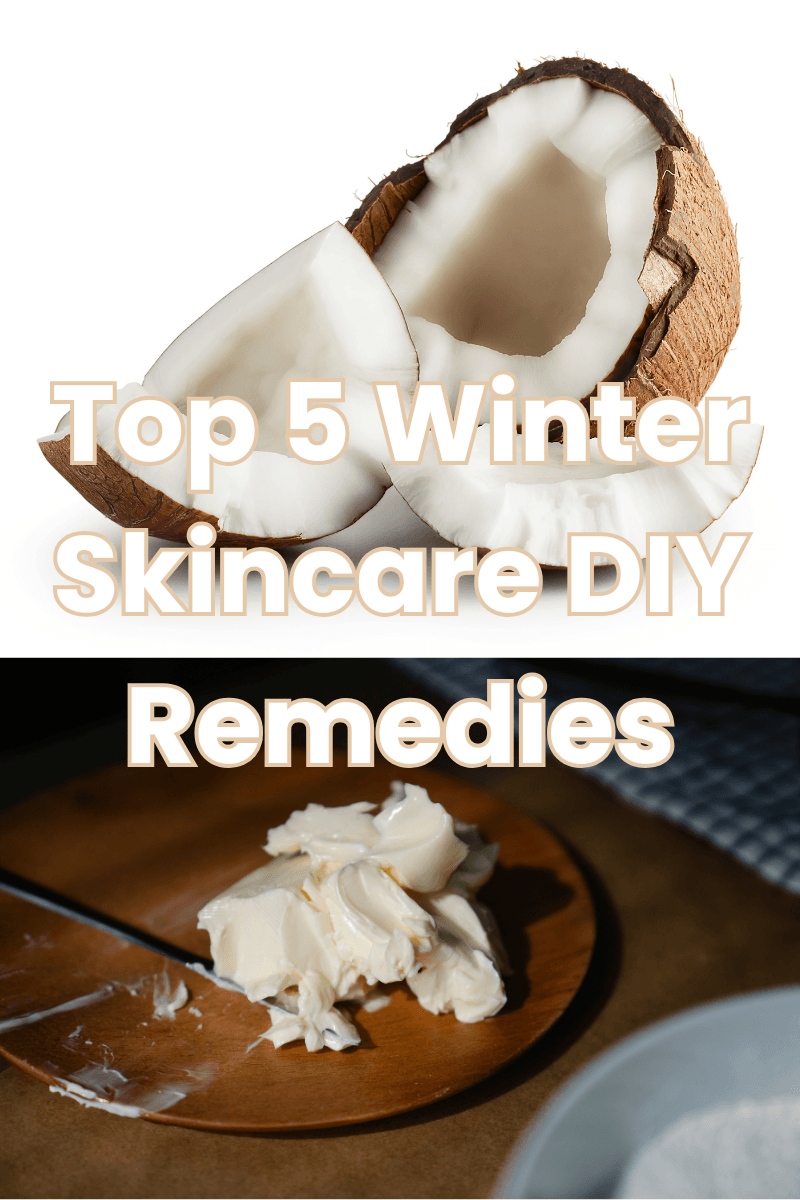
5. Coconut Oil & Shea Butter Body Butter
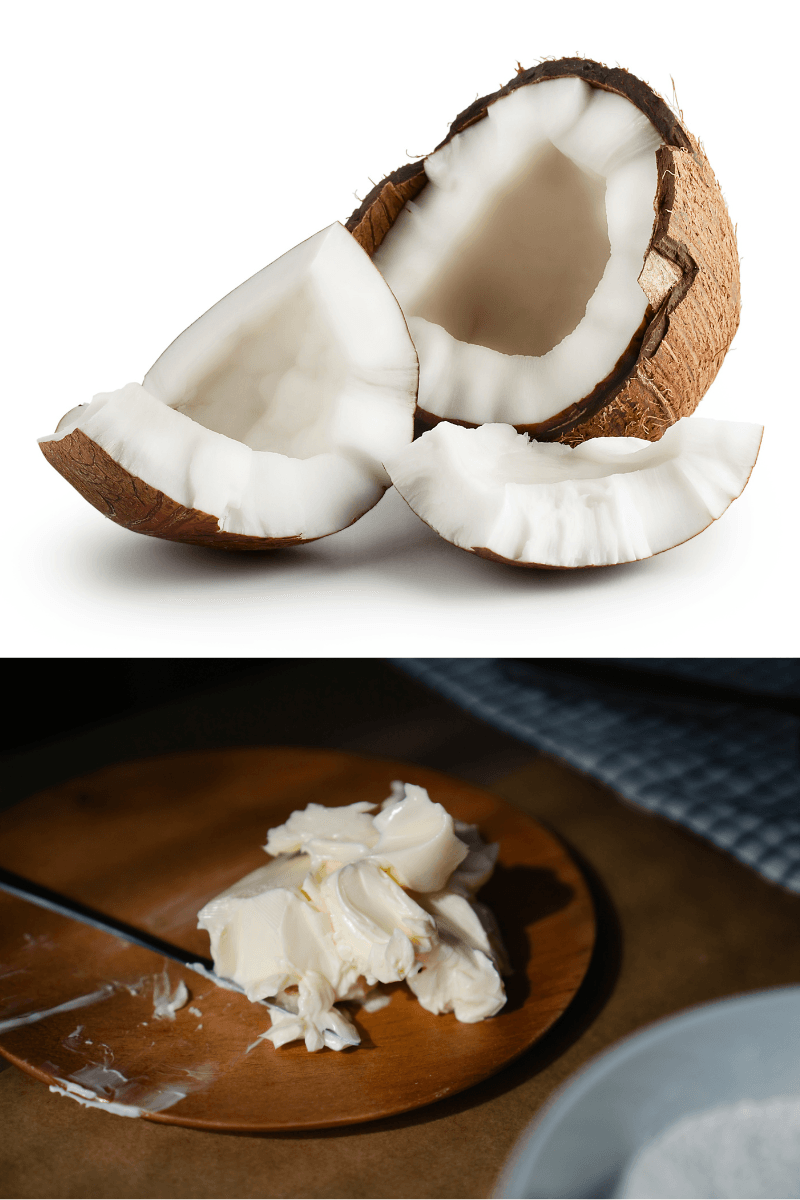
Your winter skincare DIY routine isn’t complete without pampering your body too.
Ingredients:
- 2 tbsp coconut oil
- 1 tbsp shea butter
- ½ tsp aloe vera gel
Instructions:
- Gently melt all ingredients together.
- Whip the mixture until creamy.
- Cool and store in a wide-mouthed jar.
- Apply after bathing while skin is still damp.
Why It Works: Shea butter provides intense hydration, coconut oil seals it in, and aloe soothes irritated skin.
Check out our Natural Body Scrub at Home to pair with this DIY
Pro Tip: Make a double batch and gift it in mason jars—perfect for holiday presents!
Application Tips for Maximum Results
1. Choose Lukewarm Water Over Hot
While a hot shower may feel relaxing in cold weather, it quickly depletes your skin’s protective oils, leaving it dry and flaky. Lukewarm water, on the other hand, is soothing yet gentle. It helps preserve your skin’s natural lipid barrier, ensuring better hydration retention after cleansing. Always pat your skin dry with a soft towel instead of rubbing, as friction can further irritate winter-dry skin.
2. Follow the Layering Principle
Think of your skincare like layering clothes in winter. Start with lightweight, water-based hydration such as rosewater, aloe vera gel, or cucumber juice—these penetrate the skin easily. Once your skin absorbs this layer, apply a richer emollient like almond oil, shea butter, coconut oil, or milk cream. These thicker agents act as a seal, locking in the hydration underneath and creating a protective barrier against dry indoor heating and harsh outdoor winds.
3. Maintain a Consistent Routine
One-time remedies rarely bring lasting changes. For glowing, nourished skin, make these DIY treatments a part of your weekly rhythm. Applying masks, scrubs, or moisturizers at least 2–3 times a week helps your skin gradually repair its barrier, improve elasticity, and regain its natural glow. Consistency allows your skin to “adapt” to the nourishment and show visible results over time.
4. Always Do a Patch Test
Natural doesn’t always mean risk-free. Even gentle ingredients like aloe vera or honey can trigger reactions in sensitive individuals. Before applying a new DIY blend on your face or body, test a small amount on your inner arm or behind your ear. Wait 24 hours—if no redness, itching, or burning occurs, it’s safe to proceed. This simple step prevents discomfort and protects sensitive skin.
5. Enhance with Gentle Massage
Don’t just apply your DIY remedy—work it into the skin with care. Using upward, circular strokes stimulates blood flow and promotes lymphatic drainage, reducing puffiness and giving your skin a healthy, natural flush. Massage also helps active ingredients penetrate deeper, maximizing the benefits of your homemade masks and oils.
6. Seal in Moisture With Warmth
For deeper nourishment, after applying your final layer of cream or oil, place a warm, damp towel over your face for 1–2 minutes. This gentle steaming effect opens pores slightly and encourages better absorption of the nutrients. It’s a soothing ritual that not only boosts effectiveness but also feels spa-like in your daily routine.
Dive deeper into DIYs from our Face Care DIYs collection.
Healing From Your Kitchen Shelf
At Skin Pantry, we believe that some of the most effective remedies don’t come in expensive jars but are already waiting in your kitchen. Especially in the dry winter season, your pantry is a treasure chest of nourishing, time-tested ingredients that bring balance back to your skin.
Think of turmeric, honey, aloe vera, milk, oats, and coconut oil—each one packed with vitamins, antioxidants, and natural healing compounds. These aren’t just household items; they are centuries-old beauty secrets trusted by generations for their ability to moisturize, repair, and protect the skin against seasonal stress.
Winter skincare DIYs are not quick fixes but part of a mindful journey toward holistic beauty. When you choose to mix a mask with honey or massage with warm oils, you are doing more than pampering your skin—you are saying yes to:
- Wellness over waste: No chemical-laden bottles, just clean, sustainable care.
- Nourishment over numbers: True skincare measured in softness and glow, not in price tags.
- Tradition over toxins: Simple rituals that honor ancient wisdom while supporting modern needs.
Every time you dip into your kitchen shelf for skincare, you choose safety, purity, and connection—with nature, with tradition, and with yourself.
Key Winter Pantry Ingredients & Their Skin Benefits
| Ingredient | Skin Benefits |
|---|---|
| Turmeric | Rich in curcumin; reduces inflammation, brightens dull skin, fades pigmentation. |
| Honey | Natural humectant; deeply hydrates, soothes irritation, heals dry patches. |
| Aloe Vera | Packed with polysaccharides; calms sensitivity, repairs skin barrier, hydrates. |
| Milk | Contains lactic acid; gently exfoliates, softens, and improves skin elasticity. |
| Oats | Rich in avenanthramides; relieves itching, reduces redness, locks in moisture. |
| Coconut Oil | High in fatty acids; nourishes, repairs dryness, and strengthens the skin barrier. |
Experts also recommend AAD – Winter Skin Survival Guide for gentle cleansers, moisturizers, and hydration tips to keep skin healthy in winter.
Browse our full Seasonal Skincare DIY collection
FAQs: Winter Skincare DIY
Q1. Can I store these DIYs for later use?
Yes! Use clean, airtight containers and store in the fridge for up to 5–7 days.
Q2. How often should I follow a winter skincare DIY?
2–3 times weekly for masks and scrubs, and daily for lip balm and night cream.
Q3. I have sensitive skin. Are these safe?
Yes—but always patch test first. Especially important for honey, almond oil, and essential oils.
Q4. Can I use these DIYs in other seasons too?
Yes! Just adjust ingredients based on the climate. For example, swap coconut oil for lighter oils in summer.
Q5. What’s the best time of day to apply these?
Evening—post-shower or bath when your skin is most receptive to nourishment.
Q6. Can I combine two or more DIYs in one session?
Absolutely! For instance, follow the oatmeal cleanser with the avocado mask, and then seal in the goodness with the milk night cream.
Q7. Are these DIYs suitable for kids or teenagers?
Most recipes are gentle and safe, but always use age-appropriate ingredients and avoid essential oils for kids under 12.
Glow Through Winter, Naturally
Dry, flaky skin doesn’t need to be your seasonal norm. With these Top 5 Winter Skincare DIY Remedies, you can nourish, heal, and glow without a drop of synthetic chemical.
Say yes to moisture. Say yes to nature. Say yes to Skin Pantry—your trusted partner in turning humble ingredients into skincare gold.
Your glow is just one winter DIY away.
Disclaimer:
The information provided on skincaresolutions.in is for informational purposes only and reflects personal/home remedies that are commonly used in skincare. It should not replace professional advice. Please do a patch test before trying any new ingredient. If you have sensitive skin, allergies, or medical conditions, consult a dermatologist before use.